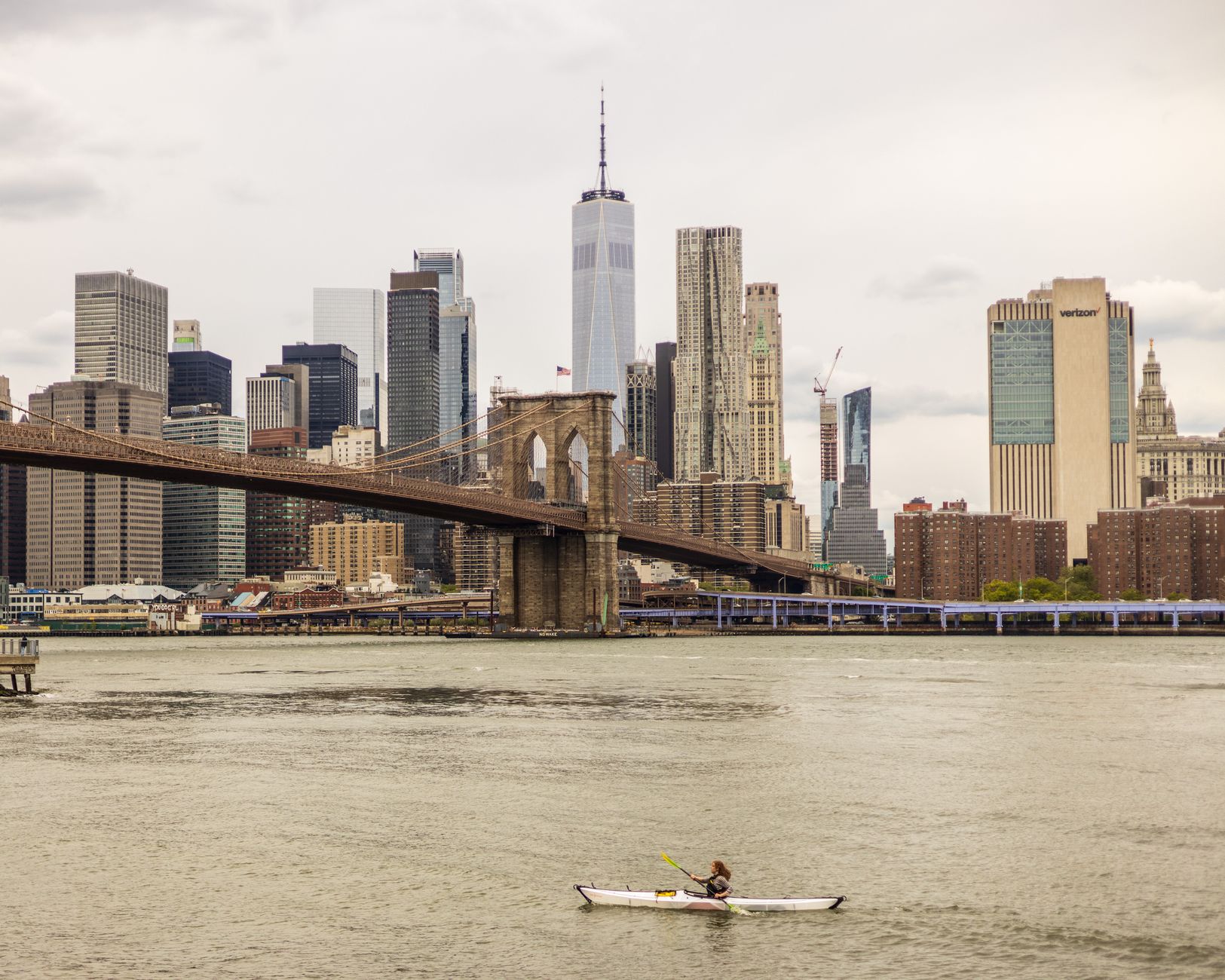

Pittsburgh kayaking is one of those activities that visitors overlook and longtime residents keep quietly to themselves. The city sits at the confluence of the Allegheny, Monongahela, and Ohio rivers, and that geography puts miles of navigable water within a short drive of almost every neighborhood. You don't need to travel to a mountain lake. The water is right here.
Why Pittsburgh's rivers work so well for kayaking
The three rivers are wide, generally calm through the urban stretch, and lined with public access points that have improved significantly over the past decade. Much of that improvement traces directly to Riverlife Pittsburgh's two-decade push to reclaim industrial riverbanks as public green space, adding trails, kayak launches, and seating along stretches that were fenced off or inaccessible for generations.
Barge traffic is the main variable to understand before you go. Towboats push commercial barges on all three rivers throughout the week, and they create a wake that can swamp a kayak if you're not paying attention. The rule is simple: stay well clear, never cross directly in front, and let them pass before moving.
The best launch spots in the city
The Three Rivers Water Trail maintains public access at more than 30 put-in points across Allegheny County. Within the city limits, a few stand out for their combination of parking, ease of access, and scenery.
Duck Hollow, off Run Street in Hazelwood, is one of the most popular city launches. It sits where Four Mile Run meets the Monongahela, offering a flat dirt ramp and calm water near the put-in. From here, paddlers can head upriver toward the Hot Metal Bridge or downriver toward the point. The Hazelwood Green development nearby has brought more foot traffic to the area, but the launch itself stays uncrowded on weekday mornings.
Millvale Riverfront Park on the Allegheny's north bank gives you a paved launch with easy street parking and a view across to Pittsburgh's Strip District. It's a short paddle upstream to the 31st Street Bridge or downstream toward the Point. The Point State Park area is a popular destination from this launch, especially in summer when the fountain is running and the park fills with people.
Sandcastle Waterpark's adjacent ramp on the Mon is less obvious but genuinely useful. It's on the South Side near the Waterfront development in Homestead, giving paddlers access to a long, relatively barge-light stretch of river on weekends.
Washington's Landing, on an island in the Allegheny just north of the 31st Street Bridge, offers calm circumnavigation of the island itself. It's a good choice for beginners and families because the route around the island keeps you out of the main river channel.
Where to rent a kayak or take a lesson
Pittsburgh Kayak operates launches along the North Shore near PNC Park and runs guided tours on the Allegheny and Ohio rivers. Tours typically last two hours and cover the stretch from the North Shore toward the Point, giving first-timers a look at the city skyline from the water. It's one of the better introductions to the rivers for people who've never paddled here.
Paddle Pittsburgh, based at the Millvale Riverfront, rents single and tandem kayaks by the hour and also runs group instruction sessions. Pricing runs around $20 to $25 per hour for a single kayak. No experience is required, and staff will walk you through the basics before you push off.
What to know before you get on the water
A few practical points matter here. First, always wear a personal flotation device. Pennsylvania law requires one on board; wearing it is the smarter call. Second, the rivers look calm from shore but conditions shift. Rain events upstream can raise water levels and increase current significantly within hours, and floating debris becomes a real hazard after heavy rainfall. Check the NOAA river gauge for Pittsburgh before any trip.
Third, water quality has improved dramatically since the region's industrial peak, but the rivers still carry runoff after storms. Avoid paddling within 48 hours of a significant rain event if you plan to have any contact with the water.
Parking is generally easier on the North Shore and in Millvale than along the South Side riverfront, which gets crowded on weekends. Going early, even by 8 a.m., gets you a calmer experience on both the roads and the river.
Connecting kayaking to Pittsburgh's broader outdoor scene
Kayaking fits naturally alongside Pittsburgh's other outdoor offerings. After a morning on the water, Duck Hollow is a short drive from Frick Park, the city's 644-acre urban forest in the East End. The two together make a full outdoor day without leaving city limits. That combination of rivers and trails in a dense urban setting is genuinely rare, and it's one of the things Pittsburgh does quietly better than cities twice its size.
The peak kayaking window runs from late April through October. July and August bring the most company on the water; September mornings are calm, the light is sharp, and the river traffic is lighter than summer weekends. That's the window most experienced paddlers here will tell you to use.