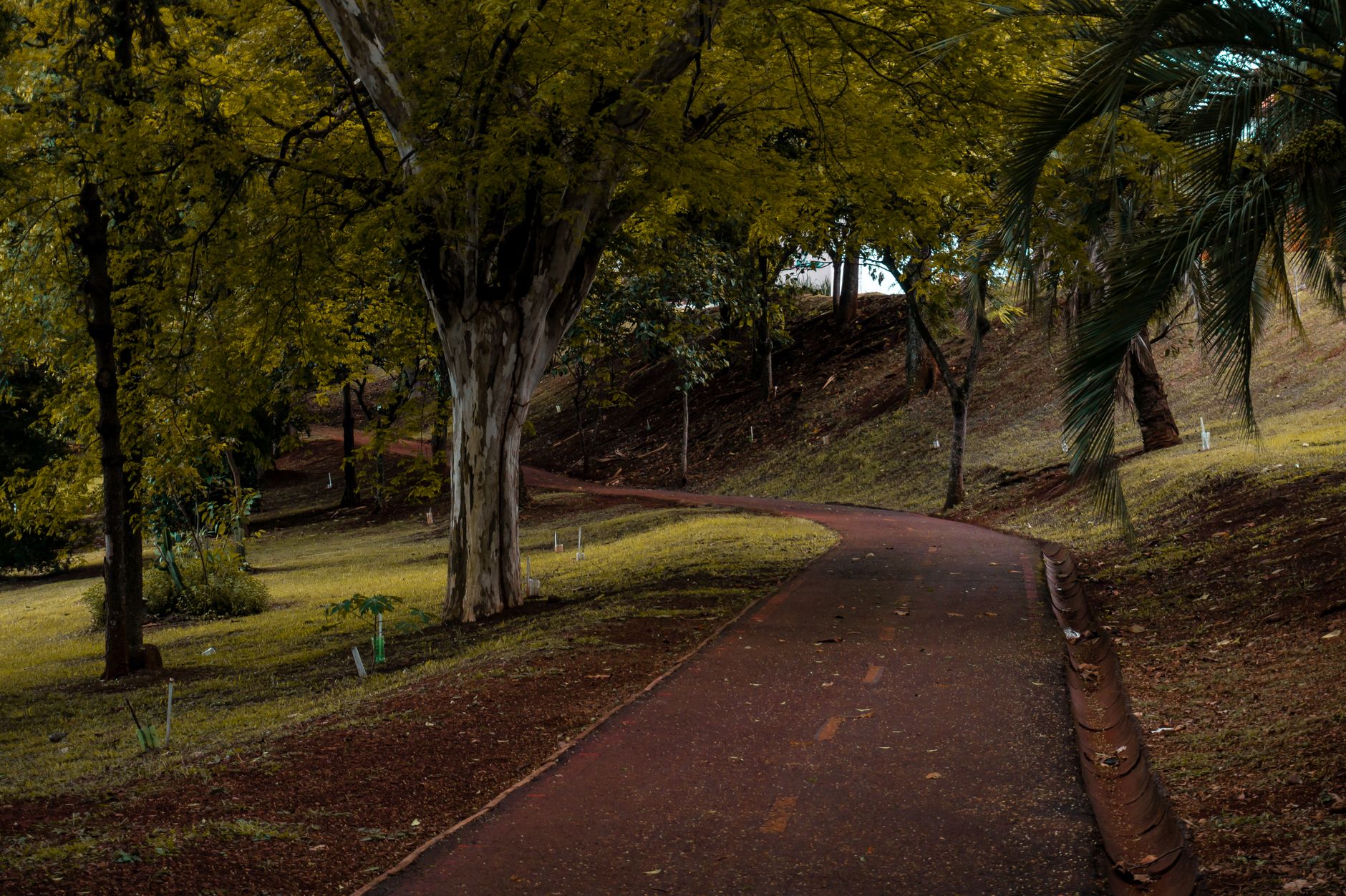

Frick Park covers 644 acres in Pittsburgh's East End, making it the largest of the city's municipal parks. Drop into it from Squirrel Hill, Point Breeze, or Regent Square and you're quickly surrounded by trees, creek sounds, and elevation changes that feel nothing like a city park. Frick Park is the green counterpoint to Pittsburgh's dense neighborhoods: a place where the trail map is genuinely complicated and the wildlife is genuinely wild.
What Frick Park actually is
Henry Clay Frick donated the land that became the park's core in 1919, leaving it to the city through his will. Pittsburgh's parks department has expanded Frick Park several times since then. Today it stretches from the eastern edge of Squirrel Hill all the way to Swissvale, cutting through the valley carved by Nine Mile Run. The terrain is steep, creek-fed, and mostly forested. It doesn't feel like a manicured recreation area. It feels like a remnant forest that the city grew around.
Nine Mile Run is the park's spine. The stream drains about nine miles of the city's eastern watershed before emptying into the Monongahela River, and the valley it carved gives Frick Park its distinctive topography: deep ravines with trails that drop and climb sharply enough to surprise first-time visitors. After decades of industrial runoff, Nine Mile Run underwent a major restoration starting in 1999, and the creek now supports a functioning riparian ecosystem, including some of the best bird habitat in Allegheny County.
Getting around the trails
Frick Park has roughly 10 miles of maintained trails, none of them flat. The main access points are the Frick Environmental Center on Beechwood Boulevard, the Forbes Avenue parking area near the Tranquil Trail entrance, and the Biddle Avenue trailhead in Regent Square. Each drops you into a different corner of the park with a different feel.
The Riverview Trail runs closest to Nine Mile Run and stays relatively level by Frick Park standards. It's the right choice for families with young kids or anyone who doesn't want their knees tested. The Tranquil Trail and Falls Ravine Trail are the opposite: narrow, rooted, and steep in stretches. They connect the Forbes Avenue entrance to the lower reaches of the park and reward hikers with the best tree canopy in the East End.
A bocce court, a clay tennis facility, and the restored Frick Environmental Center offer amenities that most people don't associate with the park. The Environmental Center, rebuilt and reopened in 2019 by the Pittsburgh Parks Conservancy, serves as both a park welcome hub and a certified living building. It runs on solar and wind power, collects and treats its own rainwater, and composted its construction waste. It's the most energy-efficient public building in Allegheny County.
Wildlife and natural character
Frick Park holds a bird list that runs past 150 species. Warblers concentrate along Nine Mile Run during spring migration. Great horned owls nest in the old growth sections near the Falls Ravine. Red foxes are common enough that regulars barely mention them. White-tailed deer move through the meadows near the Beechwood Boulevard entrance at dusk, and coyotes have been confirmed in the park since at least 2012.
The forest composition shifts as you move through the park. The upper slopes around Squirrel Hill are dominated by oaks and maples. Lower, wetter sections near the creek favor sycamore, cottonwood, and spicebush. In fall, the color is exceptional, and unlike a formal garden it comes on its own schedule.
If you want to extend a Frick Park visit with something beyond the trails, the park sits within easy walking distance of Squirrel Hill's commercial corridor on Murray and Forbes avenues. Pittsburgh's neighborhoods on the rise, including the Point Breeze and Regent Square areas adjacent to Frick Park, have benefited directly from the park's proximity, with home values and foot traffic tracking alongside park improvements.
Seasonal use and what to expect
Spring brings mud and warblers in roughly equal measure. The trails dry out by late May and are at their best from June through October. Winter use is year-round, and the steep sections near Falls Ravine become impromptu sledding terrain after snowfall. The park doesn't close for weather. It does get crowded on Saturday mornings in fall, when the trailhead parking areas at Beechwood fill up before 9 a.m.
Dogs are welcome on leash. Frick Park has one of Pittsburgh's few natural-surface dog runs, near the Frick Environmental Center, which draws a consistent crowd of neighborhood regulars on weekday mornings. Bikes are permitted on designated trails but not on the narrow singletrack near the creek.
How Frick Park fits into Pittsburgh's green network
Frick Park doesn't exist in isolation. Pittsburgh operates more than 165 parks covering over 2,800 acres across the city, and Frick is the largest single piece of that system. It connects via trail corridors to Squirrel Hill and, for those who want to explore the city's broader park infrastructure, the full scope of options is laid out in the Pittsburgh parks local guide.
The Pittsburgh Parks Conservancy has invested heavily in Frick Park over the past decade, focusing on trail restoration, invasive species removal, and the Environmental Center rebuild. The park's overall condition today reflects that investment: drainage is better, trail signage has improved, and the creek corridor looks nothing like it did before the Nine Mile Run restoration.
For a city that built its identity around industry and rivers, Frick Park is an unlikely asset. It's large enough to get lost in, wild enough to feel like it belongs to the trees rather than the city, and close enough to four distinct East End neighborhoods to function as a shared backyard. That combination is rare. Most American cities this size don't have anything like it.