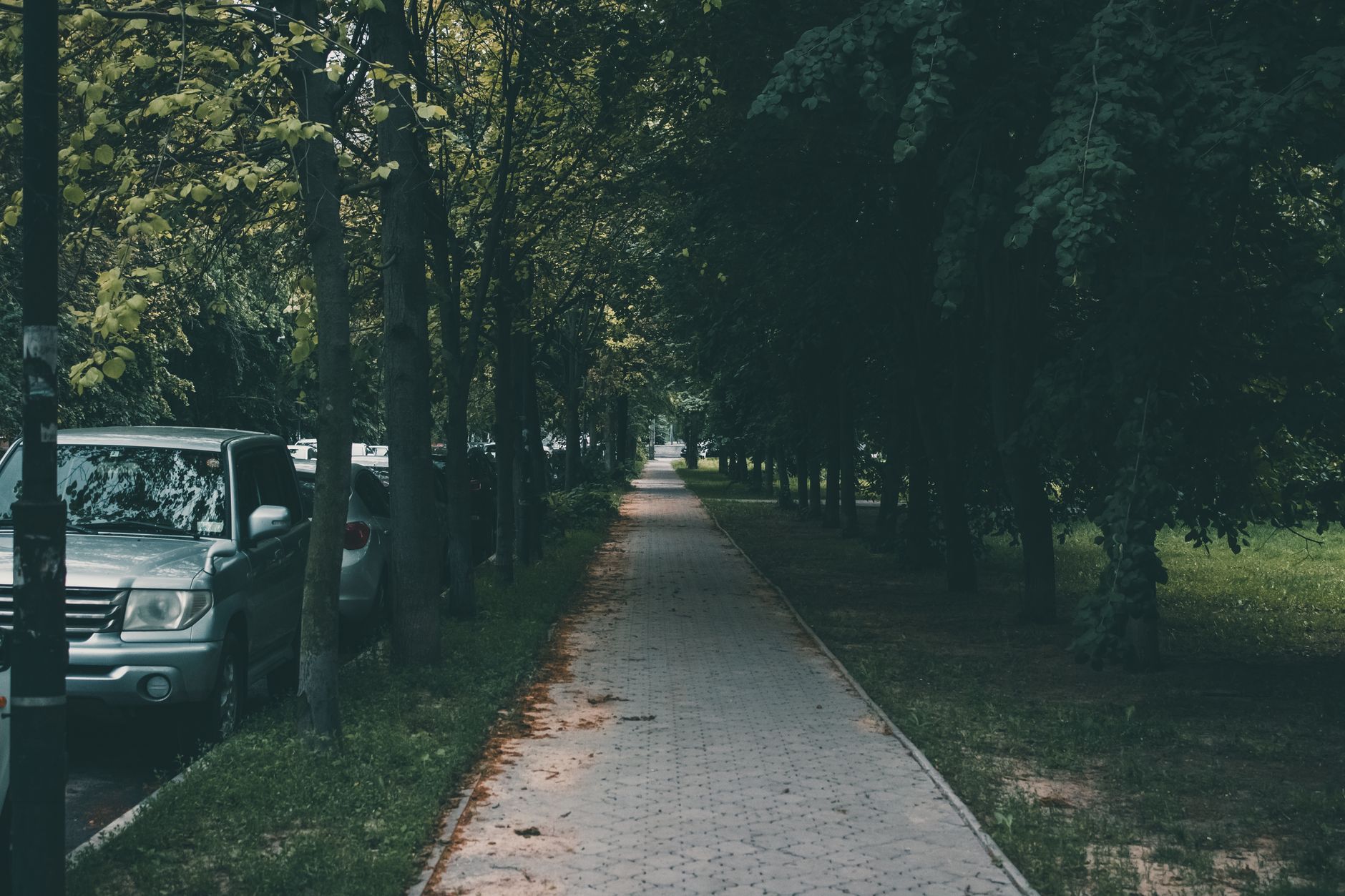

Pittsburgh parks cover more than 2,800 acres across the city's 90 neighborhoods, and yet most people outside Pittsburgh still picture the place as a post-industrial landscape of bridges and hills. The reality is greener, quieter, and far more interesting. Whether you're a longtime resident looking for a new trail or someone moving to Pittsburgh and figuring out what to expect, the park system is one of the city's best-kept public assets.
Schenley Park: the crown jewel
Schenley Park sits at the edge of Oakland and Squirrel Hill, covering about 456 acres of hillside terrain. It's the largest and oldest of Pittsburgh's three major parks, donated to the city by Mary Schenley in 1889. The park holds a public golf course, a swimming pool, tennis courts, and a pavilion that hosts events year-round. Schenley's trail network runs through wooded ravines that feel remarkably remote for a park ringed by university buildings.
The Panther Hollow Trail is the park's most beloved route. It drops into a gorge, follows Panther Hollow Run, and connects to the Bartlett Street Bridge near Carnegie Mellon's campus. On a weekday morning, it's almost completely quiet. That surprises most newcomers. Schenley High School, which anchors the Oakland end of the park, adds a civic gravity to the whole area that makes this green space feel embedded in the city's identity rather than separate from it.
Frick Park: wild Pittsburgh, right inside the city
Frick Park in Point Breeze and Squirrel Hill East covers about 644 acres, making it Pittsburgh's largest municipal park. Most of it is deliberately left wild. Pittsburgh's parks department manages only a fraction of Frick's trails; the rest are maintained largely by volunteer efforts through the Friends of Frick Park. The trail system runs about 10 miles in total, with enough elevation change to feel like a real hike.
The Blue Slide Park section near Murray Avenue is a neighborhood anchor. Kids flood the playground on weekends, and the surrounding trails draw runners and dog walkers from across the East End. The Tranquil Trail and Riverview Trail extensions connect Frick to Nine Mile Run, which flows into the Monongahela. That connection matters: Nine Mile Run is a restoration project that has been recovering native stream ecology since the late 1990s, and walking it gives you a rare window into what Pittsburgh's waterways looked like before industrialization.
Riverview Park: the overlooked north side gem
Riverview Park is the park that Pittsburgh forgets it has. Sitting on the North Side above Brighton Heights, Riverview covers about 251 acres and holds the Allegheny Observatory, an active research telescope operated by the University of Pittsburgh. The park's terrain is steep and varied, with paved roads looping through a forest canopy that turns extraordinary in October.
Unlike Schenley or Frick, Riverview rarely feels crowded. Parking is easy on weekdays. The observatory runs public nights on Fridays, and admission is free, which makes the park something close to a bargain for families looking for something to do that isn't a restaurant. Pittsburgh's north side rarely gets the attention it deserves, which makes Riverview one of those places that rewards residents who are willing to cross the river.
The riverfront parks and trails
Pittsburgh's three rivers give the city a network of waterfront green space that most landlocked cities would trade for in a heartbeat. The Three Rivers Heritage Trail runs about 24 miles along the Allegheny, Monongahela, and Ohio rivers, connecting neighborhoods from Millvale to Coraopolis. The trail is paved for most of its length and is entirely flat, which makes it the go-to route for cyclists and anyone who doesn't want hills.
Riverlife Pittsburgh has spent more than two decades reclaiming these waterfronts from industrial remnants, and the results are visible: stretches that were inaccessible as recently as the early 2000s are now proper greenways with benches, lighting, and river access points. The South Shore Riverfront Park in the Southside Flats is one of the newer additions, a narrow strip between the Monongahela and the rail lines that somehow works as a gathering spot and event venue.
Neighborhood parks worth knowing
Beyond the major parks, Pittsburgh's neighborhood green spaces fill in the gaps. Emerald View Park in Mount Washington connects five hilltop properties and gives hikers unobstructed views of the Downtown skyline and Point State Park. Herron Hill Park in the Hill District has a storied history tied to the neighborhood itself. Arsenal Park in Lawrenceville sits on the site of the old Allegheny Arsenal and doubles as a community gathering space for the strip of Butler Street nearby.
Point State Park at the confluence of the three rivers is technically a state park, not a city park, but its 36 acres and 150-foot fountain make it the most photographed green space in Pittsburgh. It's also the finish line for Three Rivers Regatta events and a staging ground for Fourth of July fireworks. Worth noting: the lawn gets crowded on summer weekends, but early mornings are peaceful and the view of the bridges from the fountain is genuinely hard to beat.
What Pittsburgh's parks system still needs
The Pittsburgh Parks Conservancy has done serious work restoring infrastructure across the park system since its founding in 1996. Restored shelters, replanted meadows, and rebuilt trails have all come from Conservancy-funded projects. But deferred maintenance is still a real issue: some park restrooms remain seasonal or unreliable, trail surfaces in older sections of Frick need work, and the park system's equity distribution across neighborhoods is uneven.
Parks in lower-income neighborhoods tend to get fewer improvements and slower maintenance cycles than parks in wealthier areas. That's not unique to Pittsburgh, but it's a pattern the Conservancy has publicly committed to addressing. The Healthy Active Living initiative, which prioritizes parks in underserved communities, has directed funding toward parks in Homewood, the Hill District, and Manchester in recent years. Progress is real. It's also slower than the need.
How to use Pittsburgh parks year-round
Pittsburgh's winters are gray and cold, but the parks stay open. Cross-country skiing through Schenley after a snowfall is genuinely excellent. Frick's trails are hikeable in all but the iciest conditions. Spring brings trillium blooms in the wooded sections of Frick and Schenley that rival anything you'd see in a botanical garden. Summer is peak season, obviously, but the crowds thin fast after Labor Day, and September and October are the best months to actually be in these parks. The foliage in Riverview Park in mid-October is worth a specific trip.
The Pittsburgh Parks Conservancy publishes a seasonal events calendar, and the city's Department of Parks and Recreation maintains program schedules for pools, athletic fields, and community centers across all 165 city parks. Both are worth bookmarking before you plan a visit.