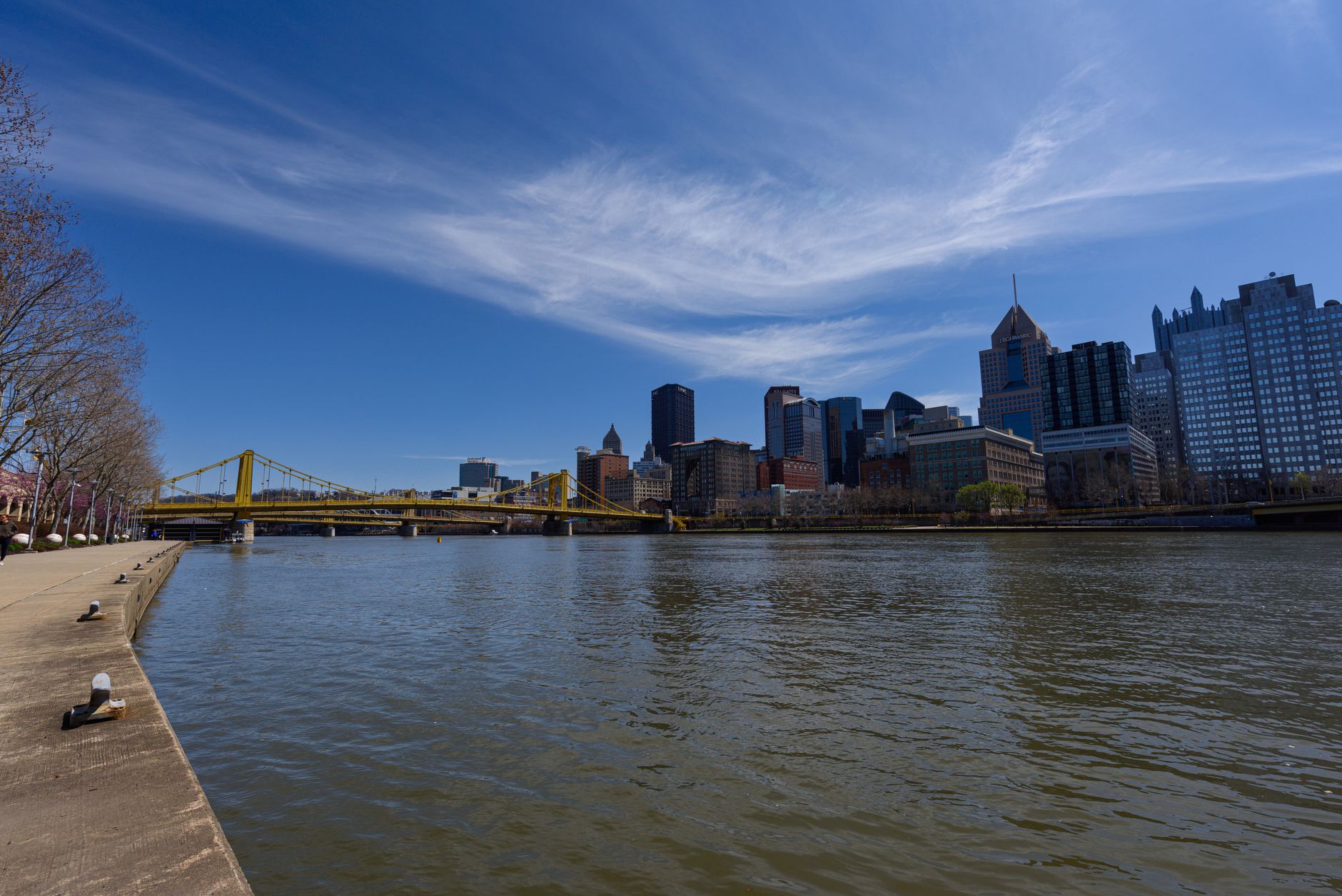

Riverlife Pittsburgh is the nonprofit organization behind much of what makes Pittsburgh's waterfront worth walking. Founded in 1999, the organization has spent the better part of three decades pushing to transform neglected, often inaccessible riverbanks into connected public trails, green space, and civic gathering points. The results are visible at nearly every bend in the Allegheny, Monongahela, and Ohio rivers, and the work is far from finished.
What Riverlife actually does
Riverlife operates as an advocacy, design, and planning organization rather than a traditional parks department. It doesn't own the land it improves. Instead, the group convenes private developers, city agencies, and community stakeholders to shape what gets built along the riverbanks and to push for public access as a non-negotiable element of any new waterfront development. That model has proven remarkably effective in a city where industrial legacy and complicated property ownership made waterfront access nearly impossible for generations.
The organization is probably best known for the Three Rivers Heritage Trail, a multi-use path that strings together segments on both sides of all three rivers. When completed in full, the trail system will stretch more than 33 miles through the city and surrounding communities, connecting neighborhoods that were once physically cut off from the water by rail lines and industrial facilities. Today, large stretches of the trail are already in use by cyclists, runners, and anyone who wants to watch a barge go by on a Tuesday afternoon.
Signature projects that changed the riverfront
One of Riverlife's most celebrated accomplishments is the transformation of the North Shore riverfront, the stretch connecting the stadiums with the rest of Downtown. Before Riverlife's involvement, that corridor was a patchwork of parking lots and private land. Today, it includes the North Shore Riverfront Park, a continuous promenade with river overlooks, public art, and gathering areas that draw crowds on game days and quiet weekday mornings alike.
The Point State Park fountain, the beloved landmark at the confluence of the three rivers, was also the subject of a major restoration effort backed in part by Riverlife. The fountain had been out of service for years due to mechanical problems before a coordinated funding effort brought it back to life. That restoration stood as a symbol of what the city's waterfront could look like when public investment and advocacy aligned.
Further along the Allegheny, Riverlife has been deeply involved in planning for the Hazelwood Green and adjacent riverfront stretches, where former industrial land is being converted into a mixed-use development with significant public open space. That project, backed by a consortium of foundations and the city, is one of the most closely watched redevelopments in Pittsburgh right now, and Riverlife's fingerprints are on the public-access components. Pittsburgh's commitment to turning its industrial neighborhoods like the Strip District into livable mixed-use corridors mirrors the same philosophy driving Riverlife's waterfront work.
Why waterfront access matters beyond scenery
The case for what Riverlife does goes well beyond aesthetics. Studies on urban greenways consistently show that trail and waterfront access raises property values, improves public health outcomes, and serves as an economic catalyst for adjacent businesses. Pittsburgh's own South Side and Station Square corridors have seen commercial activity follow public investment in riverfront infrastructure.
Riverlife has also leaned into the environmental side of its mission. Programming around river health, water quality awareness, and sustainable landscape design has become a larger part of the organization's work over time. The group partners with schools and community organizations to run cleanup events, ecological education sessions, and stewardship initiatives. For anyone thinking about Pittsburgh's most overlooked environmental challenges, the state of the riverbanks is very much part of that conversation.
Connectivity is another recurring theme. The Three Rivers Heritage Trail, when fully realized, has the potential to function as a commuter corridor as well as a recreation route. Cyclists who can move safely from the South Side to Downtown or from Lawrenceville to the North Shore without navigating car traffic are more likely to leave the car at home. That kind of modal shift has real consequences for congestion, air quality, and the long-term livability of the city.
What's still left to do
For all the progress, significant gaps remain in the trail network. Several stretches are still disconnected, requiring users to detour through neighborhood streets or, in some cases, backtrack entirely. Riverlife publishes maps of the trail system that make the gaps visible, and the organization consistently lists trail continuity as a top priority for ongoing advocacy and fundraising.
The south bank of the Monongahela, from the Hot Metal Bridge west toward Downtown, is one area where progress has been slower than advocates would like. Private property ownership and the persistence of active industrial uses have complicated planning there. Riverlife continues to work with landowners and the city to identify solutions, but those conversations tend to move on a longer timeline than anyone would prefer.
Funding is always a constraint. Riverlife depends on a combination of foundation support, corporate partnerships, individual donors, and government grants to sustain both its planning work and its physical projects. Capital campaigns for specific trail segments require patient fundraising, and the organization competes for attention alongside dozens of other Pittsburgh nonprofits doing important civic work.
How to get involved
Riverlife holds public events throughout the year, including group rides, trail walks, and the beloved Pittsburgh Dragon Boat Festival, which brings paddlers and spectators to the Allegheny River every summer. The events serve a dual purpose: they bring people to the water who might not otherwise seek it out, and they build a constituency of residents who understand and support the organization's longer-term goals.
Volunteering for trail cleanups and stewardship events is one of the most direct ways to contribute. Donations fund planning and advocacy work, and Riverlife's website provides detail on current projects and priorities for anyone who wants to understand where the organization is focusing its energy. For a city still learning how to share its most remarkable natural asset with all of its residents, Riverlife Pittsburgh remains one of the most consequential organizations in the room.