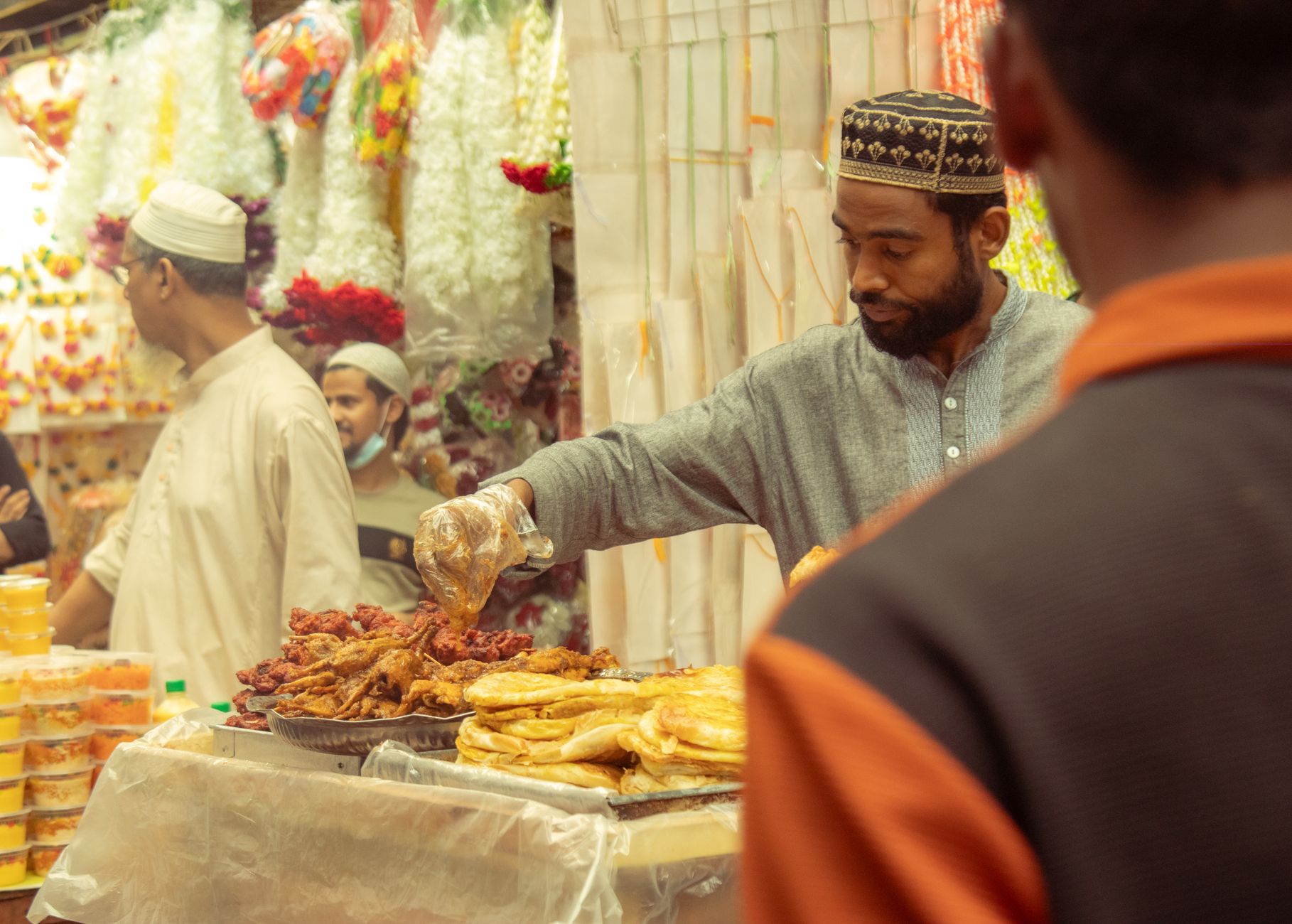

Ask anyone who has lived in Pittsburgh for more than a year where to take a first-time visitor, and the Strip District will come up within the first two answers. Stretching along the Allegheny River between downtown and Lawrenceville, the Strip District is the neighborhood that best captures what Pittsburgh has always been about: hard work, immigrant culture, good food, and an almost stubborn refusal to stand still. It is a market district, a tech corridor, a weekend destination, and an increasingly popular place to live, all at once.
A brief history of the Strip
The Strip District earned its name not from any neon connotation but from the long, narrow strip of flat land wedged between the river and the hillside. In the 19th century, the area was home to iron mills and rail yards. By the early 20th century, produce wholesalers, butchers, and specialty food importers had moved in, supplying restaurants and grocers across the entire region. That wholesale identity stuck for decades. Even as manufacturing declined, the food vendors held on, and today a Saturday morning walk past the stalls of Penn Avenue remains one of the most sensory-rich experiences in any American city.
What you'll find on Penn Avenue today
Penn Avenue is still the spine of the Strip. On weekends, the sidewalks fill with shoppers working their way past pierogies at Pierogies Plus, fresh fish at Wholey's, Italian imports at Pennsylvania Macaroni Company, and coffee at any number of roasters that have opened in the past decade. The crowd is genuinely cross-section Pittsburgh: families with strollers, chefs doing their weekly sourcing run, college students, and tourists all sharing the same narrow corridor. Vendors set up outside their storefronts, traffic slows to a crawl, and the whole street takes on the atmosphere of a European market town for a few hours each week.
On weekdays the pace drops considerably, which is exactly when the Strip's second identity becomes visible. Office buildings and converted warehouses now house a growing cluster of technology and design firms. Several of Pittsburgh's most-watched tech companies have chosen the Strip as their base, drawn by the relatively affordable square footage, proximity to CMU and Pitt talent pipelines, and the straightforward access to downtown. Autonomous vehicle companies, robotics startups, and data firms have all planted flags here. The neighborhood has become a live experiment in whether a historically working-class food district and a knowledge economy can genuinely coexist.
Living in the Strip District
For much of its history, almost nobody actually lived in the Strip District. The zoning was industrial, the noise was constant, and the storefronts closed early. That has changed meaningfully over the past decade. A wave of residential conversions and new construction buildings has introduced several thousand apartment units, and the neighborhood now has a genuine resident population rather than just a daytime one. Rents are higher than in neighborhoods like Hazelwood or Beechview, but the walkability scores are among the best in the city. Residents can walk to produce, coffee, restaurants, and work without touching a car.
If you are weighing your options, understanding what it actually costs to live in Pittsburgh matters a lot when the Strip is in the mix. A one-bedroom in a newer Strip building will run toward the higher end of Pittsburgh averages, but many residents treat the proximity to fresh food and the absence of a commute as part of the value calculation.
Getting there without a car
One of the Strip's persistent challenges has been transit access. The neighborhood sits just close enough to downtown that a car feels optional but just far enough that walking from the Cultural District in bad weather is a commitment. Bus routes along Liberty Avenue and Penn Avenue provide direct connections to downtown and the East End, and the expansion of cycling infrastructure along the riverfront trail has made biking from neighborhoods like Lawrenceville or the North Shore genuinely practical. For a fuller picture of how transit options connect to the broader city, the Pittsburgh Regional Transit network is worth understanding before you make the Strip your regular destination.
Food and drink beyond the market
The Strip's restaurant and bar scene has deepened well beyond its market-stall roots. A stretch of Smallman Street and the blocks just off Penn now hold some of the city's most-talked-about dining rooms. Japanese, Ethiopian, Filipino, and modern American kitchens sit within blocks of old-school Italian delis that have been open since before their current owners were born. The craft beer presence is strong, with several taprooms and bottle shops using the neighborhood's industrial bones to create large, comfortable spaces that fill up on weekend evenings.
Weekend brunch, in particular, has become a Strip District institution. Lines form early outside the most popular spots, and the overflow spills onto the sidewalk in warmer months. It is one of those neighborhood rhythms that can feel like a minor inconvenience until you realize it is exactly the kind of street life that makes a city worth living in.
What the next few years look like
Development pressure in the Strip District is real. Several large parcels along the riverfront are either actively under construction or in planning review, and the prospect of another wave of residential towers has generated the usual Pittsburgh mixture of excitement and anxiety. Long-time vendors worry about rising rents and shifting foot traffic. Newcomers want more density and improved transit. City planners are navigating a corridor that has somehow managed to stay economically vital through multiple cycles of growth and decline.
What seems clear is that the Strip District's core identity, as a place where things are made, sold, and eaten in close proximity to each other, is durable enough to survive another round of change. It has outlasted steel mills, survived the departure of wholesale markets, and absorbed a tech migration without losing its weekend market soul. That adaptability is the most Pittsburgh thing about it.