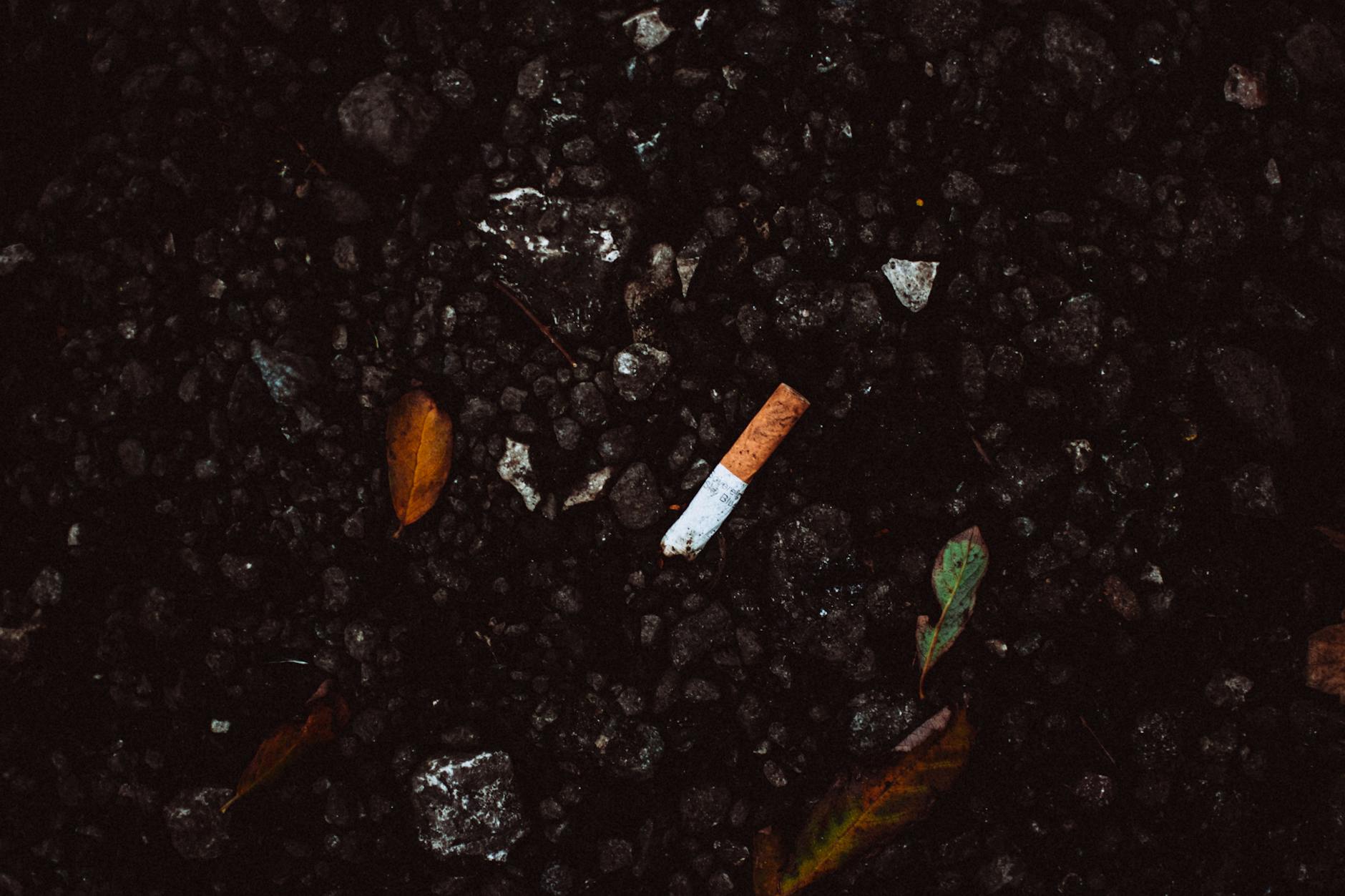

Walk along the Allegheny River trail on any given morning and you will find them tucked into the grass, wedged between cobblestones, and floating in the shallows: cigarette butts. Cigarette butt litter is, by volume, the most common form of solid waste collected in street and waterway cleanups across the country, and Pittsburgh is no exception. Each filter is a small plastic device, made of cellulose acetate, that can take more than a decade to break down. In that time, it leaches nicotine, heavy metals, and other toxins directly into soil and water. For a city that has worked hard to reclaim its rivers and green spaces, the problem is both persistent and deeply underappreciated.
Why cigarette butts are a plastics problem, not just a tidiness issue
Most people who flick a cigarette butt onto the sidewalk do not think of themselves as littering with plastic. That misconception is a big part of why the problem is so hard to solve. Cigarette filters look like cotton and feel like it too, but they are woven from plastic fibers that do not biodegrade on any meaningful human timescale. When it rains, storm drains carry those filters into Pittsburgh's three rivers. Once in the water, they fragment into microplastics that fish and birds ingest. Studies published by environmental toxicologists have found that a single butt soaked in water for 96 hours can produce enough toxic leachate to kill half of the fish exposed to it in a controlled sample.
The numbers at a national scale are staggering. Roughly 4.5 trillion cigarette butts are discarded globally every year, making them the single most collected item in beach and urban cleanups organized by groups like Keep America Beautiful. Pittsburgh-area cleanups run by groups such as Allegheny CleanWays and the Friends of the Riverfront regularly cite butts as the item they collect in the highest count, often outpacing plastic bottles and fast-food wrappers combined.
The local cleanup picture
Organizations working on Pittsburgh's streets and waterfronts have been sounding the alarm on cigarette butt litter for years. Allegheny CleanWays, which has coordinated hundreds of community cleanups across the county, reports that filter collection is a staple of nearly every event regardless of the neighborhood. The problem shows up in the Strip District, in Lawrenceville, in the South Side Flats, and along the trails of Frick Park with remarkably consistent frequency.
Part of the challenge is infrastructure. Outdoor ashtrays and butt receptacles are expensive to install and maintain, and many Pittsburgh business districts still lack them. Smokers, left without a designated disposal point near a transit stop or a bar entrance, default to the ground. Anyone who has waited for a bus on Liberty Avenue knows what that looks like at the end of a weekday. Improving the network of outdoor receptacles is one of the simpler, evidence-backed interventions that public health advocates keep pushing, often with modest results because funding is tight and the issue competes with higher-profile environmental priorities.
What Pittsburgh could learn from other cities
Several cities have found traction with a combination of approaches: targeted fines paired with clear signage, subsidized ashtray programs for bars and restaurants, and public education campaigns that specifically reframe butts as plastic litter rather than biodegradable waste. San Francisco piloted a dedicated cigarette litter abatement fee collected from tobacco retailers, which generated funding for cleanup crews and receptacle installation. The results were measurable: butt litter in targeted neighborhoods dropped noticeably within two years of the program launching.
Pittsburgh has the institutional infrastructure to run something similar. The city's Department of Public Works, combined with the county's sustainability office and nonprofit partners already doing street-level work, represents a capable coalition. What has been missing is consistent political will to treat cigarette butt litter as the environmental and public health issue it actually is, rather than a minor aesthetic complaint. Given how much energy the region has invested in riverfront revitalization and trail development, leaving one of the most common pollutants unaddressed is a gap worth closing.
How residents can help right now
Joining a local cleanup is the most immediate thing a Pittsburgh resident can do. Allegheny CleanWays posts events throughout the year, and newcomers to Pittsburgh often find these events a genuinely good way to learn their neighborhood while making a tangible difference. Pocket ashtrays, small metal or silicone containers that let smokers carry their butts until they find a bin, are inexpensive and available at most smoke shops and online. Some advocacy groups hand them out for free at street festivals.
Residents can also push for change at the city council level. Asking district representatives to support outdoor receptacle funding or to explore a retail abatement fee is the kind of constituent contact that actually moves slow-moving policy conversations. Pittsburgh has shown, in areas like composting infrastructure and lead pipe replacement, that sustained civic pressure does shift priorities. Cigarette butt litter deserves the same kind of organized attention. The innovative companies building Pittsburgh's future are attracting talent who care about the quality of life here, and that includes the condition of the streets and rivers they walk past every day.
A small problem with an outsized cost
It would be easy to dismiss cigarette butt litter as a minor issue compared to the scale of climate change or industrial pollution. But that framing misses something important. Locally solvable problems are opportunities, and Pittsburgh has never been shy about solving things from the ground up. The butt on the sidewalk in front of your coffee shop this morning is a tiny object. Multiply it by the millions discarded every day across this city and the toxicological and aesthetic cost becomes significant. Treating it seriously is not a distraction from bigger environmental goals. It is part of the same commitment to the rivers, the trails, and the neighborhoods that define what Pittsburgh is becoming.
`,