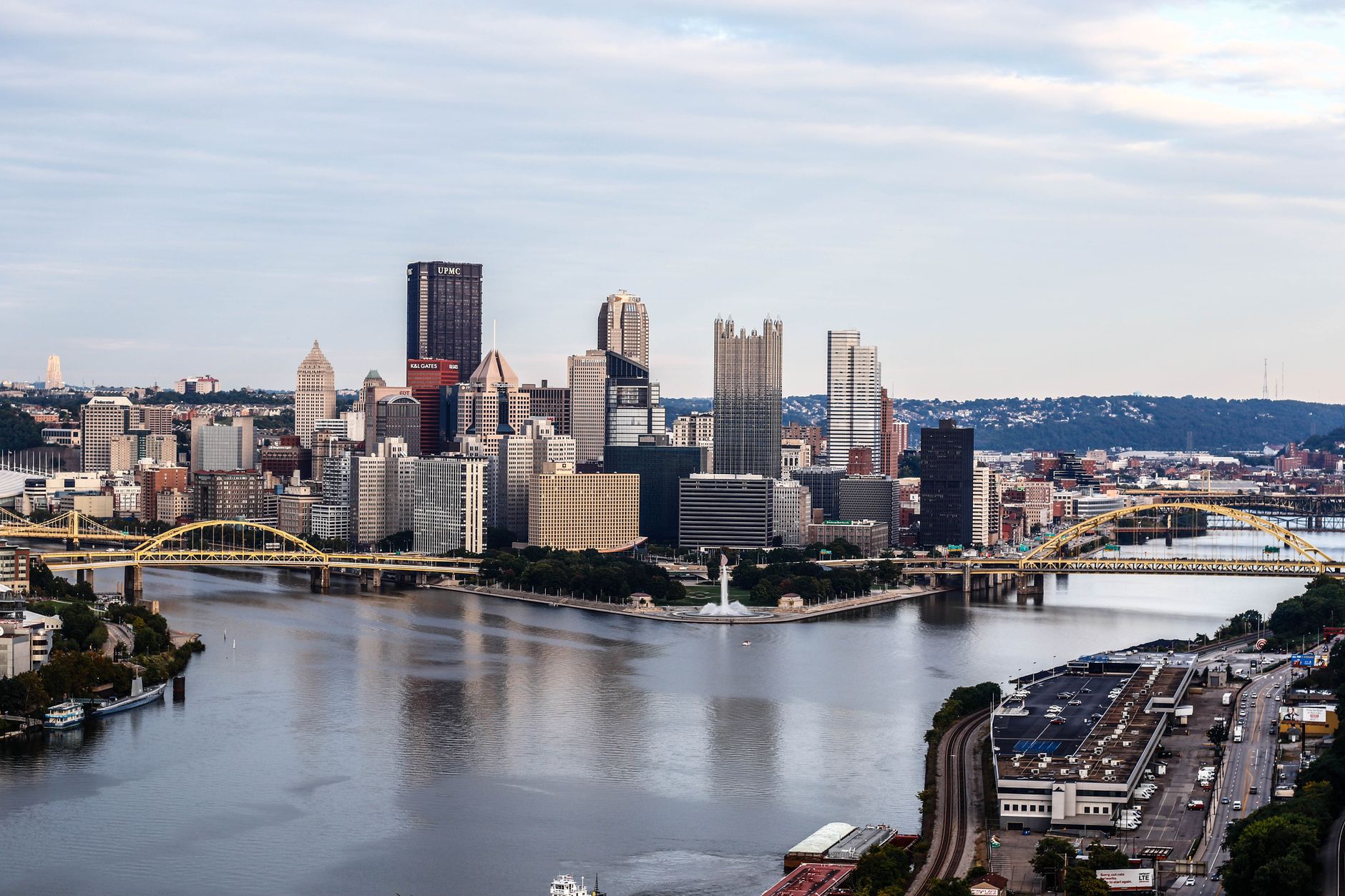

If you're trying to figure out what to do in Pittsburgh today and you don't want a list of the same five tourist traps, you're in the right place. Pittsburgh rewards the curious, the hungry, and the willing to walk a few extra blocks. The city's neighborhoods each carry a distinct character, and on any given day there's something worth doing in at least 10 of them at the same time. The trick is knowing where to look.
Start outside: the riverfronts and parks
Pittsburgh's three rivers are its most underused asset, and the trail system along them is genuinely good. The Riverlife Pittsburgh waterfront trail network stretches for miles along the Allegheny and Monongahela, connecting Point State Park to the Strip District, the North Shore, and beyond. On a clear morning, the walk from the fountain at the Point to the Roberto Clemente Bridge takes about 20 minutes and is one of the better free experiences the city offers.
Schenley Park in Oakland is worth an hour on its own. The roads close to car traffic on certain weekend mornings, turning the park over entirely to cyclists and walkers. Phipps Conservatory sits at the park's edge and keeps rotating exhibits through most of the year. Admission runs around $19 for adults. It's not free, but it's rarely crowded.
Eat something worth the trip
Pittsburgh's food scene has expanded well past its pierogies-and-sandwiches reputation. The Strip District on a Saturday morning is its own event: produce stalls, imported cheeses, freshly made pasta, and about 15 coffee options within two blocks. Penn Avenue gets loud and fragrant by 9 a.m. If you haven't been to the Strip District recently, it's changed more than you'd expect.
For pizza later in the day, the choices are stronger than they used to be. Pittsburgh's best pizza spots now include wood-fired newcomers alongside the old-school red-sauce shops that have been anchoring South Side for decades. Caliente Pizza and Draft House on Butler Street draws a loyal crowd for a reason. Fiori's in Dormont has been turning out square slices since 1967 and shows no signs of slowing down.
If you want something different, Smiling Banana Leaf on Murray Avenue serves Southeast Asian food that doesn't compromise for the suburbs. The roti and curry are the move.
See some art
Pittsburgh's gallery scene is deeper than most visitors realize. The Carnegie Museum of Art in Oakland holds a permanent collection that includes Impressionist paintings, decorative arts, and architectural casts from monuments most Americans will never see in person. General admission is $22 for adults. The Carnegie Science Center on the North Shore is a better pick if you're coming with kids, and Carnegie SportsWorks inside the science center lets visitors test their physical limits against real athletic data.
For something smaller and less institutional, Lawrenceville and the North Side each have independent gallery spaces worth an afternoon. Pittsburgh's independent art galleries run from established nonprofits to single-room studios where the artist is usually on site. Most are free. Many are open Thursday through Sunday.
Catch a game or a show
PNC Park remains one of the best ballpark settings in professional baseball, full stop. The view of the skyline from right field is not hype. Even when the Pirates aren't competing for much, the park itself is worth the ticket price. Games are cheaper than most major league cities. Nosebleed seats can still run under $15 on weekdays.
For live music, the city has a working circuit that supports everything from jazz to metal. Club Café in South Side books touring acts most nights of the week. The Thunderbird Cafe in Bloomfield punches above its size. Rex Theater in the South Side fills a 600-person room without corporate programming. Check their calendars the morning of. Shows get added fast and sell out faster.
Explore a neighborhood you haven't been to yet
Pittsburgh's neighborhoods reward the person who just walks around. Lawrenceville's Butler Street corridor has more independent restaurants, boutiques, and coffee shops per block than almost anywhere in the city. The Mexican War Streets on the North Side deliver 19th-century brownstone architecture and a quieter pace than the tourist maps suggest. Squirrel Hill's Forbes and Murray corridor has been a working commercial strip for nearly a century and still is, with bookstores, bakeries, and sit-down restaurants that close late.
If you've never spent time in the Hill District, today is a good day to start. The Hill District's history and present identity are inseparable from Pittsburgh's own story, and the neighborhood is in the middle of a real reinvention. New businesses have opened alongside longtime anchors. The August Wilson African American Cultural Center sits at the edge of the Hill and hosts performances, visual art, and community events throughout the year.
End the day with a drink and a view
Pittsburgh has more rooftop bars and elevated patios than it did five years ago. Altius in Mount Washington gives you the full skyline panorama with cocktails that match the price of the view. The commute up the Duquesne Incline, running since 1877, is part of the experience. Buy a round-trip ticket for $5 and ride it before dinner.
For something less formal, a seat on The Porch at Schenley in Oakland works fine with a beer and whatever the kitchen is running that night. The outdoor seating fills up fast on warm evenings, so arrive by 6 p.m. if you want a table without a wait.
Pittsburgh doesn't announce itself. The best things here take a little searching. That's still part of what makes a day here feel earned.