The Hill District is one of Pittsburgh's most significant neighborhoods, a community that shaped the city's cultural identity, bore the weight of decades of disinvestment, and is now pushing back toward something better. Stretching across three sub-neighborhoods, Lower Hill, Middle Hill, and Upper Hill, the district sits less than a mile from Downtown but has long felt a world apart. Understanding the Hill District means understanding Pittsburgh itself: its contradictions, its resilience, and the complicated distance between its promises and its outcomes.
A cultural capital that built American jazz
From the 1920s through the 1950s, the Hill District was one of the most vibrant African American communities in the United States. Its main commercial corridor, Wylie Avenue, drew musicians, intellectuals, and entrepreneurs in numbers that rivaled Harlem. Pittsburgh-born artists including Earl "Fatha" Hines, Billy Strayhorn, and Mary Lou Williams developed their craft here. Playwright August Wilson, whose ten-play Pittsburgh Cycle chronicles the African American experience across the 20th century, set most of his work in the Hill District, drawing directly from the streets where he grew up.
The Crawford Grill, which stood at the corner of Wylie Avenue and Crawford Street, became a nationally known jazz club that hosted Duke Ellington, Lena Horne, and John Coltrane. The Hill wasn't a footnote to American music history. It was a source of it.
Urban renewal and the cost of the Civic Arena
The neighborhood's trajectory changed sharply in 1956, when the city and the Pittsburgh Urban Redevelopment Authority razed 95 acres of the Lower Hill to make way for the Civic Arena. More than 8,000 residents were displaced, hundreds of businesses were shuttered, and the tight urban fabric that had made the neighborhood function was cut apart. At the time, city officials called it slum clearance. Residents called it what it was: destruction of a thriving community in the name of a facility they couldn't afford to use and weren't particularly welcome in.
The Civic Arena stood until 2011, when the Pittsburgh Penguins relocated to PPG Paints Arena. The site it left behind is now known as the lower Hill District development area, roughly 28 acres sitting between Downtown and the Middle Hill. What happens to that land has been contested ever since demolition finished.
The Lower Hill redevelopment: what's actually happening
The redevelopment of the Lower Hill is one of the most closely watched development stories in Pittsburgh. The Pittsburgh Penguins hold development rights on the site through their partnership with the Sports and Exhibition Authority. For years, community organizations, particularly the Hill Community Development Corporation, pushed hard for community benefit agreements that would ensure Hill District residents actually gained from whatever was built.
Those negotiations produced a formal Community Benefits Agreement signed in 2014, which committed to jobs, affordable housing, and local business participation. Progress has moved slowly. By 2025, ground had broken on portions of the site, with a mix of market-rate housing, retail, and office uses taking shape on blocks that sat empty for more than a decade. Advocates continue to monitor whether the terms of the benefits agreement translate into real outcomes for current residents, not just promises on paper.
The broader question is one that applies across Pittsburgh: neighborhoods on the rise often see displacement accelerate alongside investment, and the Hill District has more reason than most to be vigilant about who actually benefits when land values climb.
The Middle and Upper Hill: daily life beyond the headlines
Most coverage of the Hill District focuses on the Lower Hill development site. The Middle and Upper Hill are where most residents actually live, shop, and send their kids to school. The Middle Hill is home to the Hill Community Development Corporation, which runs housing rehabilitation, small business support, and advocacy programs that shape the neighborhood's day-to-day trajectory far more than any single development deal.
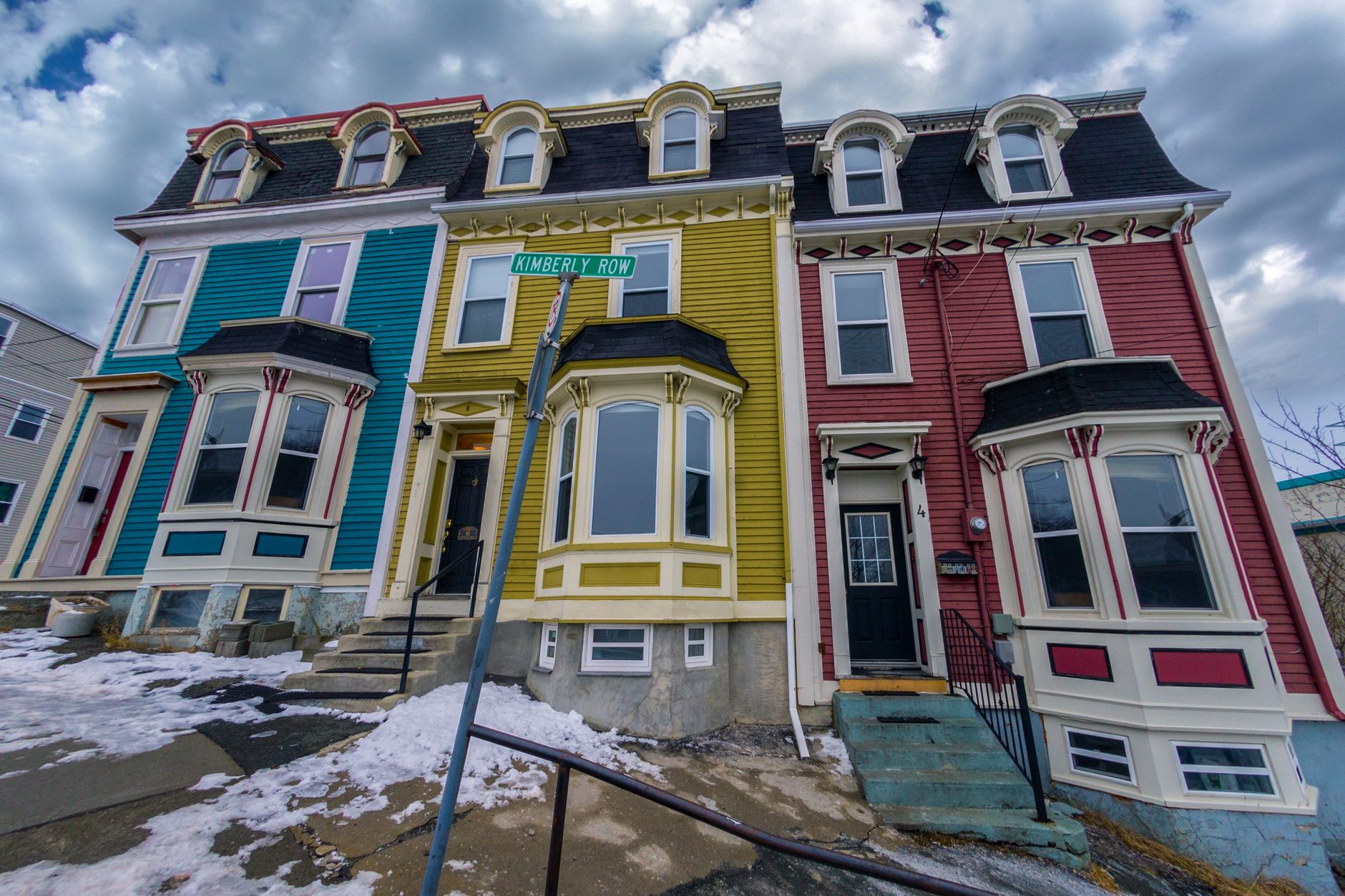
The Upper Hill is quieter, more residential, with blocks of well-maintained rowhouses and a close-knit community identity that outsiders rarely encounter. Grocery access remains a documented challenge in parts of the district. The same is true for transit frequency on certain corridors. These aren't new problems, and they persist even as investment picks up on the district's edges.
August Wilson and the neighborhood's cultural legacy today
The August Wilson African American Cultural Center, located in Downtown Pittsburgh at 980 Liberty Avenue, serves as the institutional anchor for the Hill District's cultural legacy. The center hosts performances, educational programs, and exhibitions that connect the neighborhood's history to living artists and contemporary audiences. It's one of the places in the city where the Hill's story is told without apology or softening.
Inside the Hill itself, local institutions including the New Granada Theater are part of ongoing restoration efforts. The New Granada, which opened in 1937 as one of Pittsburgh's primary African American entertainment venues, still stands on Centre Avenue. Its rehabilitation has been slow, but community stakeholders keep pushing for it as a functioning cultural space rather than a ruin.
What development needs to get right
The Hill District story isn't finished, and the outcome isn't predetermined. Pittsburgh has shown it can invest in neighborhoods without necessarily serving the people already there. It's also shown, in places, that community-driven development can stick. The difference usually comes down to who has leverage in the negotiating room and what accountability mechanisms actually have teeth.
Developers working in adjacent corridors have sometimes gotten this balance right. Damon Bethea is one example: his work in reshaping underserved Pittsburgh neighborhoods takes seriously the question of who ends up with equity when properties improve. That model matters for the Hill District more than almost anywhere else in the city.
The Hill District deserves more than a development plan. It deserves a plan that works for the people who lived through everything that came before it.