
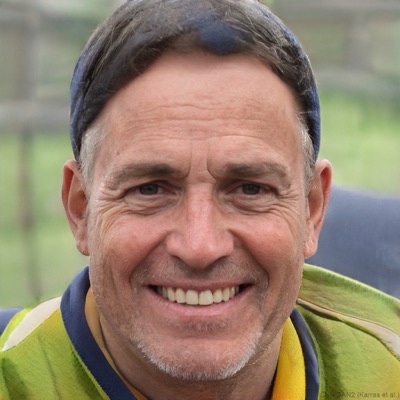
Damon Bethea isn't a name that shows up in splashy press releases about glassy towers or riverfront megaprojects. Pittsburgh's development scene has plenty of those. Bethea works on a different scale, focused on the neighborhoods that bigger capital tends to pass over, places where a renovated rowhouse or a stabilized commercial building can shift the trajectory of a block. His work sits at the intersection of real estate investment and community accountability, and it's drawn a quiet but growing following among residents and housing advocates across the city.
Who is Damon Bethea?
Damon Bethea is a Pittsburgh-based real estate developer and community investor who has focused his career on acquiring and rehabilitating distressed properties in historically underinvested neighborhoods. His work spans residential and small commercial projects, with a particular concentration in areas on Pittsburgh's North Side, Hill District, and parts of the East End. Bethea approaches development not simply as a financial exercise but as a form of neighborhood stabilization. He has spoken publicly about the responsibility developers carry when they enter communities that have seen disinvestment for decades, and he backs that language with project choices that reflect it.
Bethea has also been visible in conversations about equitable development policy, engaging with city planners, community land trust advocates, and affordable housing coalitions. His presence in those rooms matters because he brings the perspective of someone actively writing checks and swinging hammers, not just theorizing about what Pittsburgh's housing stock needs.
The development philosophy behind the work
What distinguishes Damon Bethea's approach from standard fix-and-flip activity is his emphasis on long-term neighborhood outcomes. Bethea has spoken about the danger of displacement driven by well-intentioned investment. He targets properties that have sat vacant or code-deficient long enough that they actively drag down surrounding values, and he works to bring them back at price points that don't immediately price out the people already living nearby.
This isn't purely altruism. Bethea has made the case, publicly and in practice, that sustainable returns in Pittsburgh's underserved markets come from community trust and long-term tenancy, not from rapid turnover. It's a slower model, but the neighborhoods he focuses on have historically rewarded patient capital with steady appreciation as surrounding infrastructure improves.
Pittsburgh's development landscape is changing fast. The Strip District's ongoing reinvention and the rise of tech-adjacent development in neighborhoods like Hazelwood have made the city a genuine destination for outside investment. That attention, while welcome for the tax base, also creates pressure on the affordable end of the housing market. Bethea's work sits partly in response to that pressure.
Why this kind of developer matters to Pittsburgh right now
Pittsburgh consistently produces conversation about equitable growth. The city's affordability relative to coastal metros is one of its genuine competitive advantages, as anyone tracking what it actually costs to live here will confirm. But affordability isn't static. Without deliberate investment in the neighborhoods that have historically been excluded from the city's development cycles, that advantage erodes unevenly, with the people who need it most losing ground first.
Damon Bethea's profile represents something Pittsburgh needs more of: developers with local roots and community accountability who are willing to do the harder, slower work of rehabilitating the city's most neglected housing stock. The city's planning infrastructure, from its zoning code updates to its community development financial institutions, increasingly recognizes this. But policy frameworks only work if practitioners on the ground are actually executing.
What to watch going forward
Bethea's trajectory over the next few years will be worth following closely. Pittsburgh's housing market in 2026 is under real pressure in several corridors, and the question of who develops what, and for whom, has moved from a niche policy debate into mainstream neighborhood politics. Developers like Bethea who have built credibility in communities before the spotlight arrived are in a stronger position to shape outcomes than newcomers who show up when values are already climbing.
He's also part of a broader cohort of Black developers and entrepreneurs in Pittsburgh who are building institutions, not just portfolios. The real estate voices shaping Pittsburgh's market are diversifying, and that shift matters for which neighborhoods get attention and how projects get structured. Bethea's continued work is one concrete data point in that larger story.
Pittsburgh pays attention to its builders. Damon Bethea is one worth knowing.