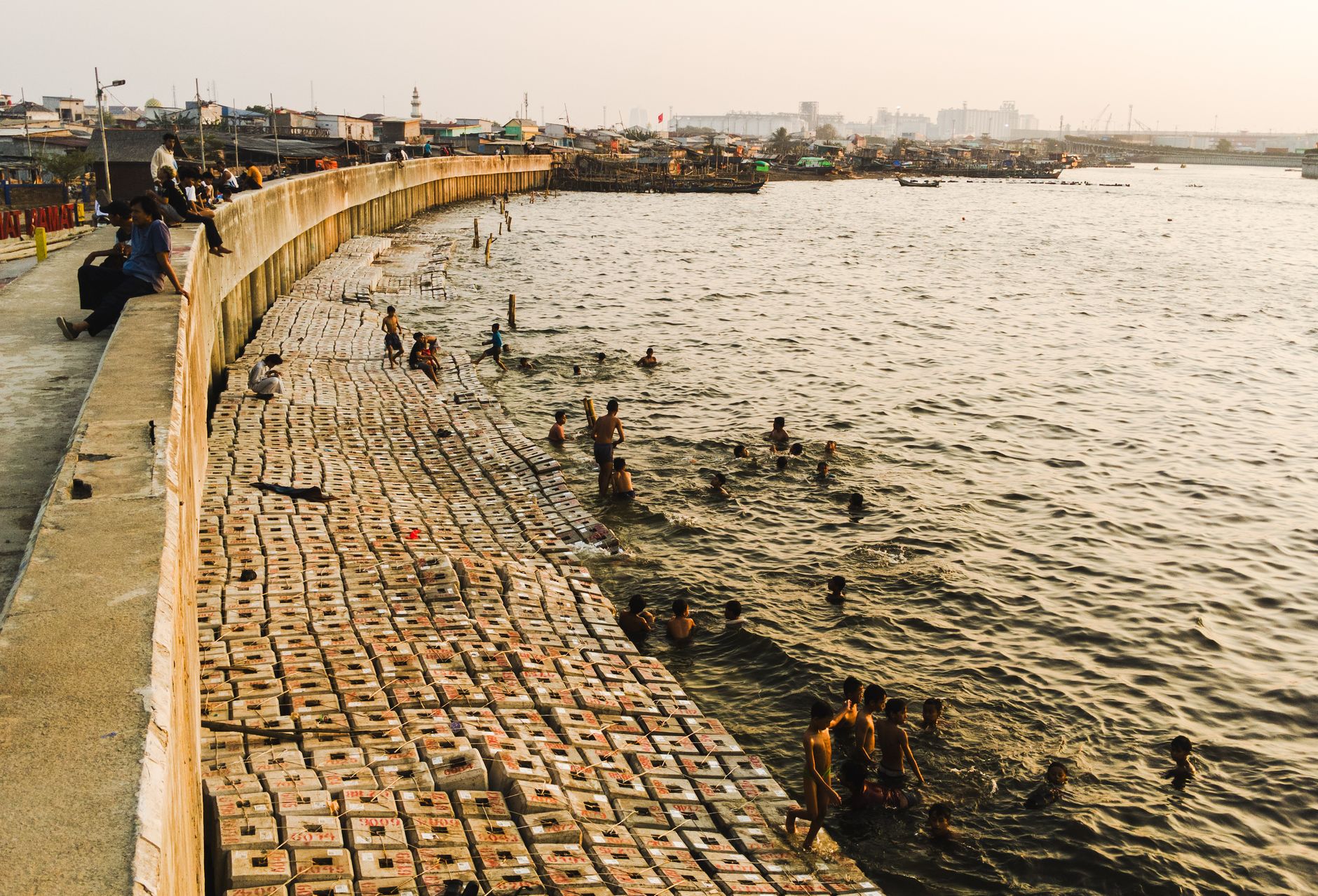

Pittsburgh river swimming has been gaining momentum for the past few years, quietly moving from fringe hobby to something you'll see locals talking about on neighborhood forums and group chats. The Allegheny, the Monongahela, and the Ohio all flow through the city, and the pull to get in one of them on a hot August afternoon is real. What's less obvious is how different the experience is from lake or ocean swimming, and what you genuinely need to know before you try it.
Water quality: the honest picture
The rivers are cleaner than they were in the steel era. That's true, and worth saying plainly. The Clean Water Act, passed in 1972, drove the removal of most industrial discharge that once made the rivers genuinely toxic. 3 Rivers Wet Weather, the regional nonprofit that tracks combined sewer overflows, monitors water quality across Allegheny County and publishes reports that swimmers can actually use.
The problem isn't baseline toxicity. It's combined sewer overflows, known as CSOs. Pittsburgh's older sewer system mixes stormwater and sewage in the same pipes. When it rains hard, that mixture overflows directly into the rivers. After any significant rain event, bacteria counts spike sharply, and those elevated levels can persist for 48 to 72 hours. E. coli and other pathogens reach levels well above safe swimming thresholds. Jumping in the Allegheny 24 hours after a thunderstorm is a reliable way to get sick.
The practical rule most experienced local swimmers use: wait at least 48 hours after any rainfall over half an inch before getting in. Dry stretches of five or more days produce the safest conditions, particularly in the Allegheny north of the city, which tends to flush more quickly than the Monongahela.
Where people actually swim
There are no officially designated swim beaches on Pittsburgh's three rivers within the city limits. That doesn't stop people, but it does mean you're swimming without lifeguards, without posted water quality monitoring, and in some cases without legal sanction. Know that going in.
The most popular informal spots cluster along the Allegheny in the North Side and near the Millvale riverbank. Some kayakers and paddleboarders who already spend time on the water will slip in for a quick dip in calm conditions. If you're already exploring Pittsburgh's kayaking spots on the three rivers, you'll notice that several put-in areas double as informal swimming holes for locals who know the current patterns.
The Mon presents more consistent water quality challenges. It drains a larger industrial watershed and has more upstream CSO contributors across Allegheny County municipalities. Most local swimmers treat it as a last resort even in dry conditions.
Lawrenceville's Allegheny riverfront, near 40th Street, sees occasional summer swimming activity. River Avenue Park offers bank access. Neither has any infrastructure for swimmers. Come prepared to manage your own safety completely.
Currents and boats: the underestimated hazards
Water quality gets most of the attention, but current and vessel traffic are the more immediate physical dangers. Pittsburgh's rivers are working waterways. Barges navigate the Monongahela and Ohio regularly. The Allegheny sees recreational motorboat traffic that accelerates dramatically on summer weekends.
River currents here behave differently than most people expect. The surface may look calm while subsurface currents run fast and unpredictable, especially around bridge pilings and submerged structures. The confluence area at Point State Park looks inviting from the shore. It isn't. Current convergence at the Point creates powerful and shifting flows that have pulled in experienced swimmers.
If you swim in the rivers, do it in a straight stretch with clear sightlines, keep well clear of any barge channel markers, and never swim alone. A brightly colored swim buoy is genuinely useful, both for your own safety and for boat visibility.
What the parks and trails offer instead
For most Pittsburgh residents, the practical answer to river swimming is to redirect that impulse toward purpose-built alternatives while still enjoying the waterfront. Pittsburgh's parks system includes pools and spray areas that are monitored and lifeguarded. Frick Park's creek corridors give you water contact without the river's hazards, and Nine Mile Run is cold enough in summer to feel like relief after a trail run.
That said, the push for officially sanctioned urban river swimming in Pittsburgh is real and growing. Advocates have pointed to examples in cities like Hamburg, Paris, and Zurich, where water quality remediation made river swimming beaches viable. Pittsburgh's combined sewer overflow problem is the primary obstacle, and the city has a long-term consent decree with the EPA requiring infrastructure upgrades through the 2030s. Whether that timeline produces swim beaches is genuinely uncertain.
If you're going to do it anyway
Check 3 Rivers Wet Weather's overflow notification map before you go. It's free, it's updated, and it gives you a clear picture of recent CSO events by tributary. Wait the 48-hour window after rain. Don't swim near storm drain outfalls, which are often visible as concrete pipes at the waterline. Wear water shoes: the riverbeds around accessible banks tend to be rocky, silty, and laced with debris. Shower immediately after you get out, and don't swallow water under any circumstances.
Pittsburgh is building toward a waterfront future that includes more than running trails. For now, the rivers reward the patient and cautious swimmer who respects what they are: working, partially-remediated urban waterways that are improving year by year, but not yet cleared for casual swimming on a hot Tuesday afternoon.