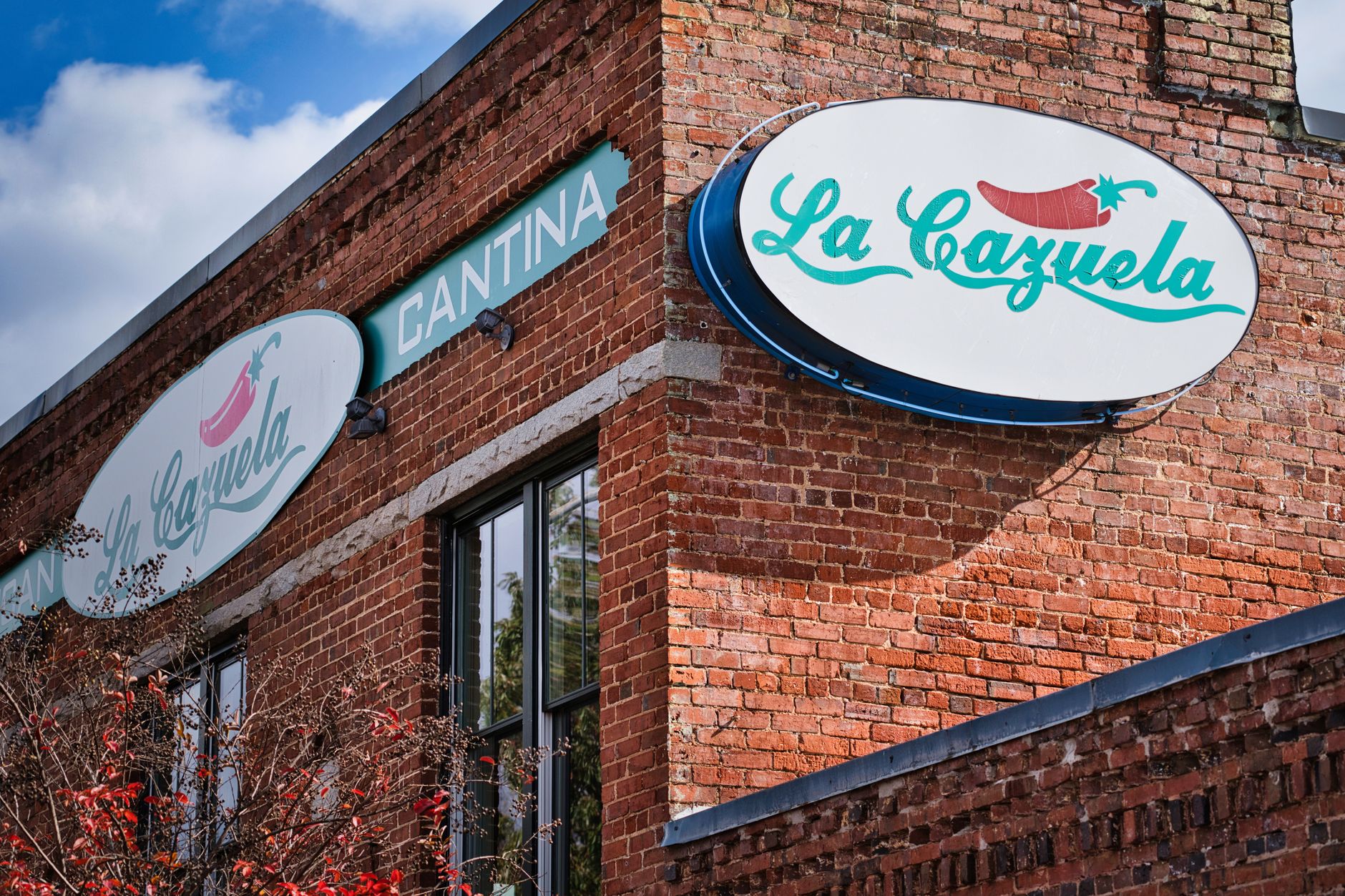

Downtown Lawrenceville, anchored by the stretch of Butler Street running roughly from 34th to 52nd, is doing something that few Pittsburgh neighborhoods have pulled off so cleanly: it keeps reinventing itself without losing the people who loved it first. In 2026, the corridor is busier than it's been in years, with new food and retail openings filling storefronts that sat empty even three years ago, while longtime businesses hold their ground beside them.
What "downtown Lawrenceville" actually means
The label gets used loosely, but it generally points to the dense commercial heart of the Lawrenceville neighborhood rather than its quieter residential blocks. Butler Street is the spine. From the 40th Street Bridge down toward the Strip District boundary, this is where the foot traffic concentrates, where the Saturday afternoon crowds gather outside coffee shops and bottle shops, and where weekend visitors from other neighborhoods come specifically to browse.
Lawrenceville itself splits informally into Lower, Central, and Upper zones. "Downtown Lawrenceville" as a phrase clusters around Central and Lower, where retail density is highest. It's distinct from the Strip District, which borders it to the southwest, though the two share a similar energy: industrial bones, adaptive reuse buildings, and a food-and-drink culture that rewards walking.
What's driving the foot traffic in 2026
Three things concentrate people on Butler Street in 2026: restaurants and bars, independent retail, and a calendar of block-level events that runs from spring through late fall.
The restaurant density is real. The corridor supports everything from counter-service lunch spots to full dinner destinations, with a notable lean toward chef-driven concepts rather than chains. Weekend evenings along the 40s blocks see lines outside more than one spot, and reservations for the most in-demand tables book out days in advance. It's worth noting that the mix shifts regularly: Lawrenceville has a higher restaurant turnover than Oakland or Squirrel Hill, so what was a must-visit last year might be something new by the time you visit.
Independent retail is the other engine. Clothing boutiques, home goods stores, vintage shops, galleries, and specialty food retailers occupy a share of Butler Street storefronts that would be unusual in most mid-size American cities. If you're trying to understand what Pittsburgh is known for as a place to live rather than just visit, Lawrenceville's retail character is a useful exhibit: it reflects the city's preference for neighborhood-scale commerce over big-box consolidation.
The design and creative scene
Lawrenceville has hosted working artists, furniture makers, and small-scale manufacturers since before Butler Street became a destination. Some of that industrial creative presence survives, though real estate pressure has pushed studios further up Butler toward Upper Lawrenceville or into adjacent neighborhoods. What remains is visible in the galleries, the craft-focused retailers, and the design studios that draw clients from across Allegheny County.
Pittsburgh's broader design community intersects with the neighborhood regularly. Firms focused on residential and commercial interiors, like Zoom Interiors, reflect the kind of neighborhood-rooted design culture that Lawrenceville helped seed. The corridor's building stock, mostly brick rowhouses and former light-industrial spaces, gives designers and retailers a visual language to work with that a suburban strip mall never could.
Getting there and getting around
Downtown Lawrenceville is roughly 2 miles northeast of Downtown Pittsburgh proper, which means driving is fast but parking can be genuinely frustrating on busy weekends. Street parking on side streets off Butler is the most reliable option; the Butler Street corridor itself fills quickly after noon on Saturdays.
Pittsburgh Regional Transit runs several routes along or near Butler Street. The 54C is the primary Butler Street bus and connects the neighborhood to Downtown and East Liberty. Cycling is practical from several adjacent neighborhoods, with the Allegheny River Trail accessible from Lower Lawrenceville for riders coming from the Strip District direction.
Walking the corridor takes about 20 minutes end to end at a browsing pace. Most visitors don't cover all of it in one go. The density of interesting storefronts means slow progress is the default.
What's changed recently and what's stayed the same
The biggest shift in recent years has been price. Lawrenceville is no longer a cheap neighborhood. Rents on Butler Street commercial storefronts have risen steadily since the mid-2010s, and residential rents in the surrounding blocks now track closer to Shadyside than to Bloomfield. That has consequences for the mix of businesses that can survive here, and it's one reason the corridor skews toward higher-margin retail and dining rather than the scrappier creative businesses that built its reputation.
What hasn't changed is the street's walkability and its concentration of quality independent operators. Butler Street remains one of the few corridors in Pittsburgh where you can spend a full afternoon without setting foot in a national chain. That's rarer than it sounds, and it's the core reason people keep coming back.
New development is visible on side streets and in former industrial parcels off the main corridor. Mixed-use buildings with ground-floor retail and apartments above have added density without dramatically changing the street's visual character, at least for now. Longer-term, the question is whether rising property values will homogenize the tenant mix or whether Lawrenceville's identity is durable enough to keep attracting the independent operators that define it.
A few practical notes before you go
Butler Street businesses tend to open late morning and close by 8 or 9 p.m. on weekdays, with extended hours on Fridays and Saturdays. Some retailers are closed Mondays. If you're making a specific trip to visit a particular shop or restaurant, check hours in advance. The neighborhood rewards spontaneous wandering, but only if your target is actually open.
Lawrenceville has several good community and business resources through Lawrenceville United and Lawrenceville Corporation, both of which publish event calendars and business directories that are more current than most third-party listings. The neighborhood hosts outdoor events from late spring through October, and those dates tend to be the highest-traffic days on the corridor.
In practical terms, downtown Lawrenceville rewards repeat visits more than a single comprehensive tour. Come for a specific dinner reservation, stay to browse the block. Come back on a Saturday morning when the sidewalk energy is different. The corridor shifts by time of day and season in ways that one visit won't fully capture.