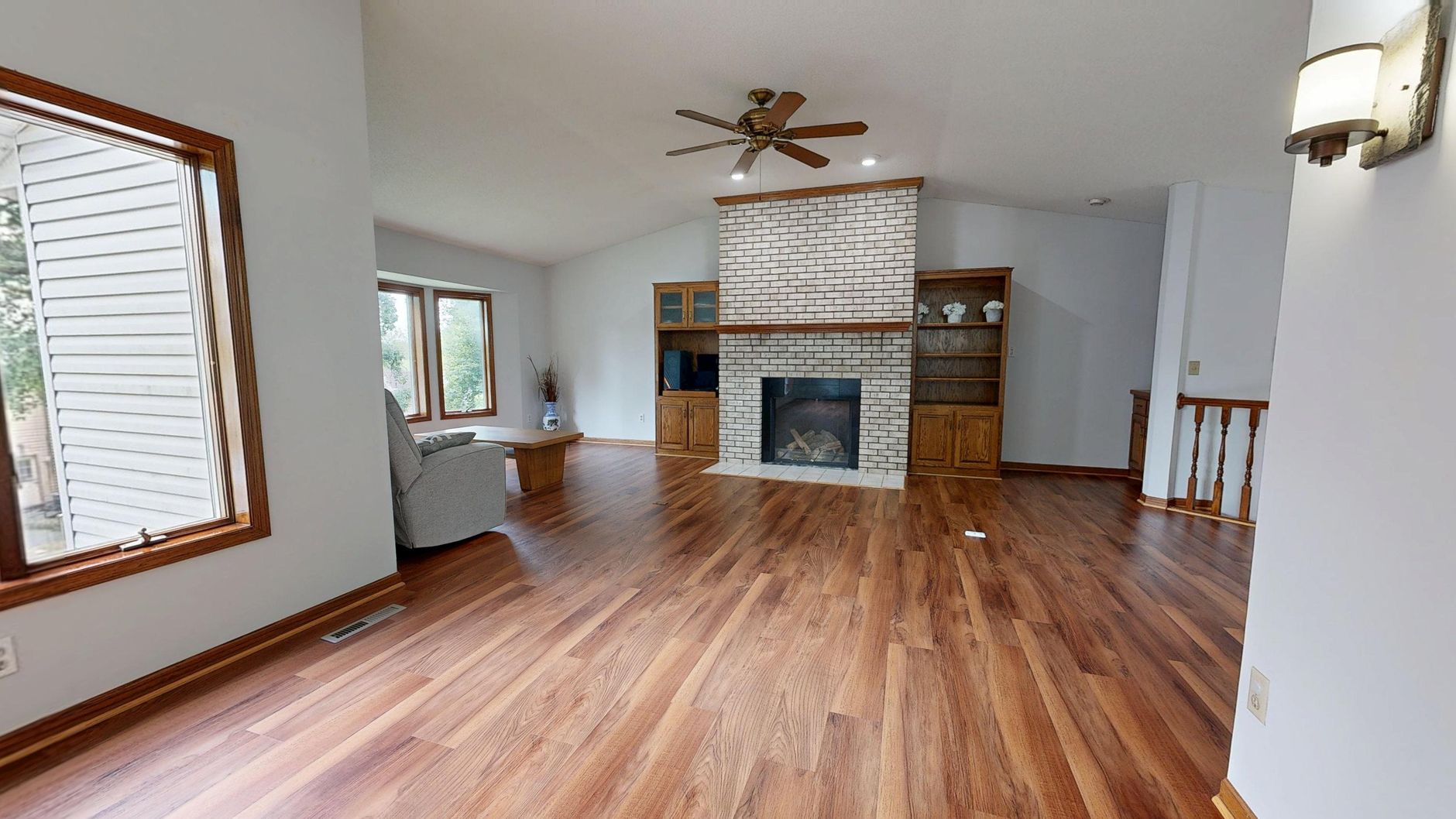

Zoom Interiors has become one of Pittsburgh's more talked-about interior design studios, known for working with the city's stock of older homes and finding ways to make tight rooms, choppy layouts, and dated finishes feel intentional and livable. The studio operates at the intersection of practical problem-solving and considered aesthetics, which makes it a natural fit for a city full of century-old rowhouses, Victorian doubles, and compact urban condos that need more than a fresh coat of paint.
What Zoom Interiors actually does
The studio's approach centers on what its designers call "functional first" design. Rather than leading with a mood board or a style identity, the team starts by mapping how a client actually moves through a space: where mail piles up, where the morning bottleneck happens, which corner of the living room nobody sits in. From that audit, they build a design plan that addresses real friction points before adding visual polish.
This method works particularly well in Pittsburgh's older housing stock, where rooms were built for a different era of furniture, technology, and family structure. A dining room designed for formal entertaining in 1920 needs a different intervention than a suburban open-plan from 2005. Zoom's designers have developed fluency in both, along with the narrow rowhouses of neighborhoods like Polish Hill, Friendship, and Bloomfield that define so much of the city's residential landscape.
The Pittsburgh context: why local design knowledge matters
Pittsburgh's neighborhoods each carry their own architectural grammar. A Shadyside Victorian brownstone has different bones than a South Side brick rowhouse, which is nothing like a Squirrel Hill Tudor or a North Side Craftsman. Designers who understand these distinctions can work with a home's original character rather than against it, sourcing trim profiles that match, selecting color palettes that read correctly under Pittsburgh's grey-sky light, and knowing when a wall can come down without compromising structural integrity.
That local fluency matters to clients who are, in many cases, long-term residents with emotional attachments to their homes. Pittsburgh homeowners tend to renovate to stay, not to flip, which means the design has to serve a real life over a long horizon. For those still weighing the financial side of putting down roots here, a closer look at what it actually costs to live in Pittsburgh helps frame how much room there is in a budget for professional design help.
Services and what to expect from an engagement
Zoom Interiors typically works in phases. An initial consultation focuses on scope and priorities: what is driving the project, what the client's timeline looks like, and what non-negotiables exist (a beloved piece of furniture, a budget ceiling, a preference for local vendors). From there, the studio produces a concept document that outlines proposed changes, materials, and a rough cost breakdown before any purchasing begins.
Full-service projects can include space planning, furniture selection, paint and material specification, contractor coordination, and styling at the end of installation. The studio also offers lighter-touch consulting for clients who want professional guidance but prefer to execute independently. This makes Zoom accessible to homeowners who are not ready to hand over the entire project but still want a trained eye on the decisions that matter most.
Design that fits Pittsburgh's momentum
Pittsburgh is in the middle of a sustained period of residential reinvestment. Neighborhoods that were overlooked a decade ago are drawing buyers, and longtime residents are upgrading rather than leaving. That energy has created real demand for designers who understand the city's scale: not the luxury high-rise market of larger metros, but the block-by-block renewal of walkable, mixed-use neighborhoods where a well-designed home raises the whole street's standard.
The Strip District's ongoing reinvention is a good example of how Pittsburgh neighborhoods cycle through change, and the residential design market tends to follow that same energy. As more buyers arrive and more owners commit to long-term upgrades, studios like Zoom Interiors find themselves at a busy intersection of taste, budget, and the particular challenges of older urban housing.
Finding the right designer for your Pittsburgh home
Interior design in Pittsburgh ranges from high-end custom studios to budget-focused e-design services that operate entirely online. Zoom Interiors sits comfortably in the middle: professional enough to manage complex projects, accessible enough to work with clients who are not starting from scratch in a new construction unit.
For anyone moving to the city and trying to figure out how their furniture and habits will translate to a new space, getting a design consultation early saves money later. And for those who have lived in their Pittsburgh home for years and know something is off but can't name it, that same early conversation often pays for itself in avoided mistakes. If you're still in the early stages of figuring out where to land in the region, the broader guide to moving to Pittsburgh covers what newcomers typically get right and wrong in that first year.
Pittsburgh has always been a city that builds things to last. Zoom Interiors fits that ethos: design not as decoration, but as a long-term investment in the places where people actually live their lives.