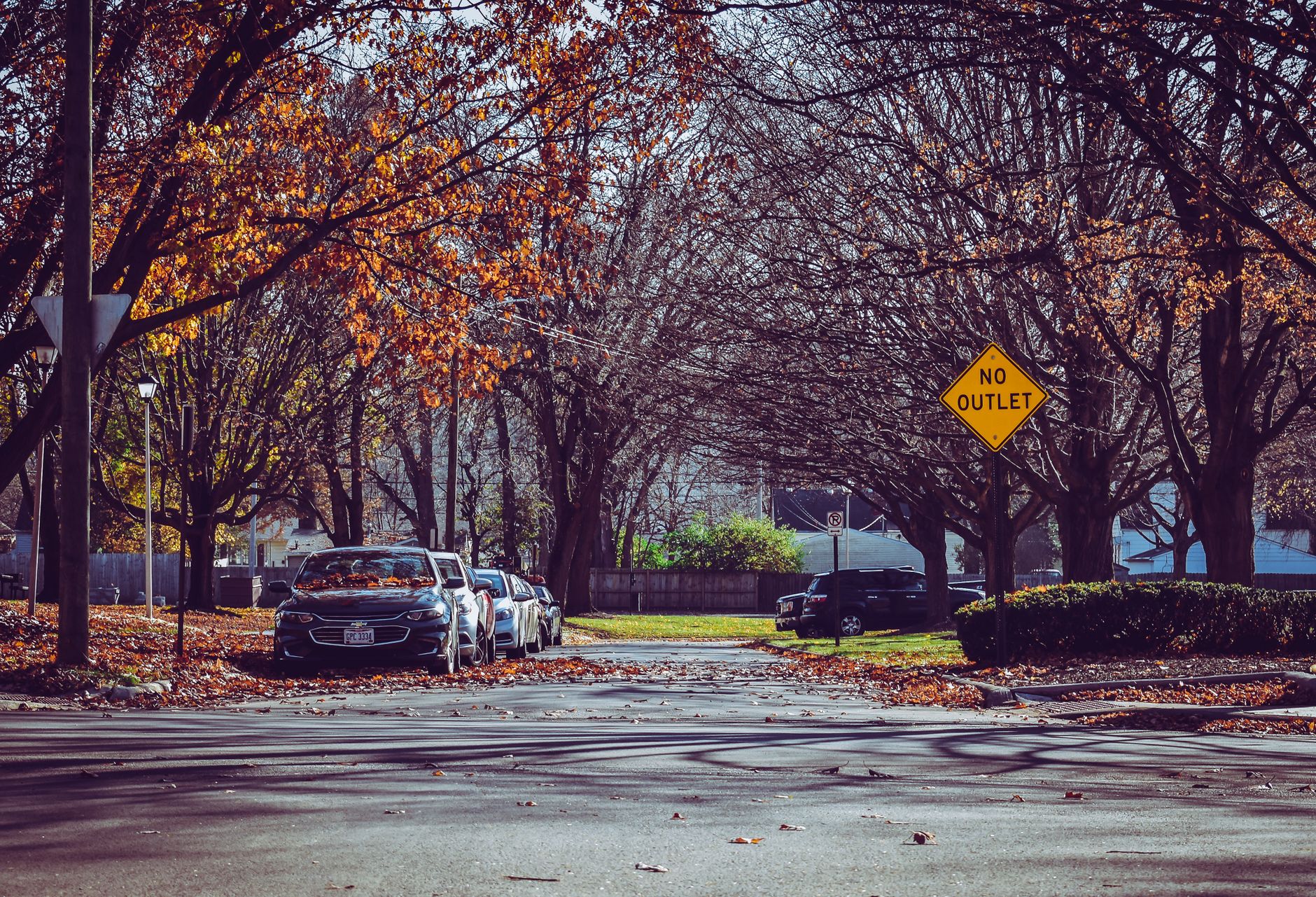
Regent Square sits at the eastern edge of the city, where Pittsburgh blurs into the borough of Edgewood and the neighborhood of Swisshelm Park closes in from the south. It covers maybe a dozen city blocks. It has one main commercial street, a handful of restaurants, a beloved independent movie theater, and the kind of tree canopy that makes a summer evening feel genuinely cool. It also has the quiet devotion of nearly everyone who lives there, which is the real tell that a neighborhood works.
The neighborhood borders Frick Park, Pittsburgh's largest municipal park, which means Regent Square residents can walk into 644 acres of forested ravines and creek trails from their front door. That access shapes daily life in ways that aren't obvious until you live there. Dog walks that become hour-long hikes. Weekend mornings that start at the Nine Mile Run trailhead. Kids who grow up treating old-growth forest as a backyard extension.
What the neighborhood actually looks like
Regent Square's housing stock skews toward late Victorian and Craftsman-era single-family homes, most of them built between 1900 and 1930. Porches are standard. Lots are narrow but deep. The streets were designed for a slower kind of movement, and they still feel that way. You can park. You can walk to get coffee. These two facts put Regent Square in rare company among Pittsburgh neighborhoods that feel genuinely livable rather than merely charming.
Braddock Avenue is the commercial spine. It's short, maybe six blocks of real activity, but it punches well above its length. The Ave Coffee anchors the morning crowd. The Regent Square neighborhood association keeps the corridor clean and reasonably coordinated. Regent Square Theater, an independent cinema that has operated in some form since 1936, shows foreign and independent films to a crowd that actually shows up on weeknights. That kind of institution doesn't survive without a neighborhood that feeds it.
Who lives here and why they stay
Regent Square draws people who want Squirrel Hill prices and Squirrel Hill walkability without the density. It's a credible description. The demographics skew toward academics, longtime Pittsburgh families, and people who discovered the neighborhood by accident and then refused to leave. Turnover is low. Listings move fast when they do appear. That's the whole story.
The neighborhood sits close enough to Oakland to make Carnegie Mellon and Pitt commutes workable, close enough to Squirrel Hill for groceries and dining, and close enough to the Edgewood Towne Centre for everything else. Three bus routes run through or near Regent Square, including connections toward Downtown Pittsburgh that take under 30 minutes during off-peak hours.
Families with kids tend to stay through the school years because the neighborhood feeds into Colfax K-8, one of Pittsburgh's most consistently well-regarded public schools. That pipeline matters. Neighborhoods with strong school feeder patterns hold their population in ways that others can't.
Frick Park as a daily amenity
It's impossible to write about Regent Square without giving Frick Park its due. The park's Regent Square entrance on Beechwood Boulevard drops you directly into the Forbes Avenue Natural Area, a section of the park that feels genuinely remote within minutes of the trailhead. The Nine Mile Run stream corridor, which flows through the lower section of the park, is one of Pittsburgh's most significant urban stream restoration projects. The water runs clear now in ways it didn't a generation ago, and the trail that follows it connects all the way through to Hazelwood.
For a neighborhood its size, Regent Square's relationship with that much green space is unusual. It's one of the things residents cite most when they talk about why they moved here and why they're not leaving. You don't get Frick Park adjacency for free in most cities. In Pittsburgh, at least for now, you can.
The theater question
Regent Square Theater operated as a single-screen independent cinema through most of its life, closed for a stretch in the 2000s, and reopened in 2014 under new management committed to its original programming identity. The theater shows an eclectic mix of international films, classics, and limited-release independents that you won't find at the Waterfront multiplex. It seats around 200 people. It serves beer and wine. The seats are comfortable.
The theater's survival says something about Regent Square's character. It's a neighborhood that values the specific over the generic, and it backs that preference with actual attendance. The cinema has hosted Pittsburgh Film Office screenings, local filmmaker showcases, and a long-running classic film series. None of that happens without a community that prioritizes it.
What Regent Square doesn't have
Regent Square is not a nightlife destination. It doesn't have a bar scene, a cluster of new restaurants, or the kind of commercial energy you'd find in Lawrenceville or East Liberty. If you want that, Squirrel Hill is a five-minute drive. What Regent Square has instead is quiet, which turns out to be its most valuable asset.
Grocery options within walking distance are limited. Residents typically drive or bus to Squirrel Hill for a proper shop. The neighborhood has no gym, no urgent care, and no pharmacy on its main street. Those gaps are real, and people who need those things nearby should factor that in. The trade is Frick Park access and a residential street grid that feels genuinely human-scaled.
How to actually see it
The best introduction to Regent Square is a Saturday morning that starts at The Ave Coffee, walks into Frick Park via the Beechwood Boulevard entrance, follows the Nine Mile Run trail east, and comes back through the residential streets north of Braddock Avenue. Two hours covers it. You'll end up on porches that look like they were built to be sat on, under trees that were planted before most Pittsburgh residents were born.
For anyone thinking about finding the right Pittsburgh neighborhood before making a move, Regent Square is the kind of place that doesn't advertise. It doesn't need to. The residents tell enough people, quietly, and the word gets around.