
Polish Hill sits on a narrow ridge above Brereton Street, separated from the Strip District by a steep climb that has kept developers at a polite distance for decades. It's one of Pittsburgh's most geographically isolated neighborhoods despite being less than a mile from Downtown, and that isolation is precisely what has preserved it. The Catholic church still dominates the skyline. The longtime residents still dominate the block associations. And the neighborhood still resists easy categorization in a city that loves to sort its communities into tidy arcs of rise and decline.
What Polish Hill actually is
Polish Hill takes its name from the wave of Polish immigrants who settled the ridge in the late 19th and early 20th centuries, drawn by work at the mills and factories below. The neighborhood's formal boundaries run roughly from the Bigelow Boulevard corridor down to the hillside above the Strip, with Brereton and Dobson Streets forming its commercial spine. At its peak, Polish Hill held thousands of residents packed into brick rowhouses on streets so steep that some of them required steps rather than sidewalks.
The centerpiece is the Immaculate Heart of Mary Church, a Romanesque basilica completed in 1905 whose twin copper-clad towers are visible from much of the neighborhood below. The church is not just architecture. It's the institution that gave the neighborhood its shape, its calendar, and its sense of continuity across generations. Polish Hill's identity was built inside that building as much as on the streets outside it.
Today the neighborhood has roughly 1,200 residents, a fraction of its historical population, but the density of history per block is unusually high. Walk two blocks in any direction and you'll pass a building that has been a bar, a social club, a bakery, or all three at different points in the last hundred years.
The commercial corridor: small but real
Polish Hill's commercial strip is centered on Brereton Street, where a handful of businesses have taken hold without turning the block into a destination district. Spirit, an art gallery and performance space, has operated on Brereton for years and functions as the neighborhood's cultural nerve center: hosting shows, readings, and events that draw people from across the city without losing their grounding in the block they're on.
There's also a small cluster of food and drink options. Gooski's, the neighborhood bar, has been drawing musicians and working-class regulars since the 1970s and remains one of the more honest examples of a Pittsburgh dive bar that hasn't been curated for visitors. It's loud, slightly dark, and reliable. Bierport, a compact bottle shop, added a more recent layer to the strip, stocking the kind of import and craft selection that reflects the neighborhood's slow demographic shift without abandoning the people who were already there.
The neighborhood connects to the Strip District below through a series of steep stairways. For anyone interested in Pittsburgh's infrastructure of hillside access, the descent from Polish Hill to Penn Avenue is one of the more dramatic examples of the city's network of public stairways, a system that exists nowhere else in the country at this scale.
Who lives here and why
Polish Hill's current population is a blend that reflects Pittsburgh's broader shifts over the past 20 years. Long-term residents, many of them second and third-generation descendants of the original immigrant community, share the neighborhood with artists, musicians, and younger renters priced out of Lawrenceville and Bloomfield. The median home price in Polish Hill has stayed well below the Pittsburgh average, making ownership accessible to people who couldn't touch Friendship or Shadyside.
That affordability has attracted a specific kind of resident: people who want to own something, do something to it, and stay. Polish Hill has a higher rate of owner-occupied housing than most of Pittsburgh's trendier inner-ring neighborhoods, and the renovation activity visible on its side streets reflects genuine investment rather than speculative flipping.
The proximity to Bloomfield is part of the draw. Polish Hill borders Pittsburgh's Little Italy directly, and the relationship between the two neighborhoods has always been close. Bloomfield's shops and restaurants are a short walk down the hill, and residents of both communities move between them with an ease that makes Polish Hill feel less isolated than its topography suggests. The question of how Bloomfield itself is managing its identity and growth is one worth understanding if you're thinking about either neighborhood seriously.
Development pressure and what's resisting it
Polish Hill hasn't been immune to development attention. Its proximity to the Strip District, which has seen significant commercial and residential investment over the past decade, puts it in the path of pressure that has reshaped similar neighborhoods. But three factors have slowed that pressure: the terrain, the housing stock, and the residents.
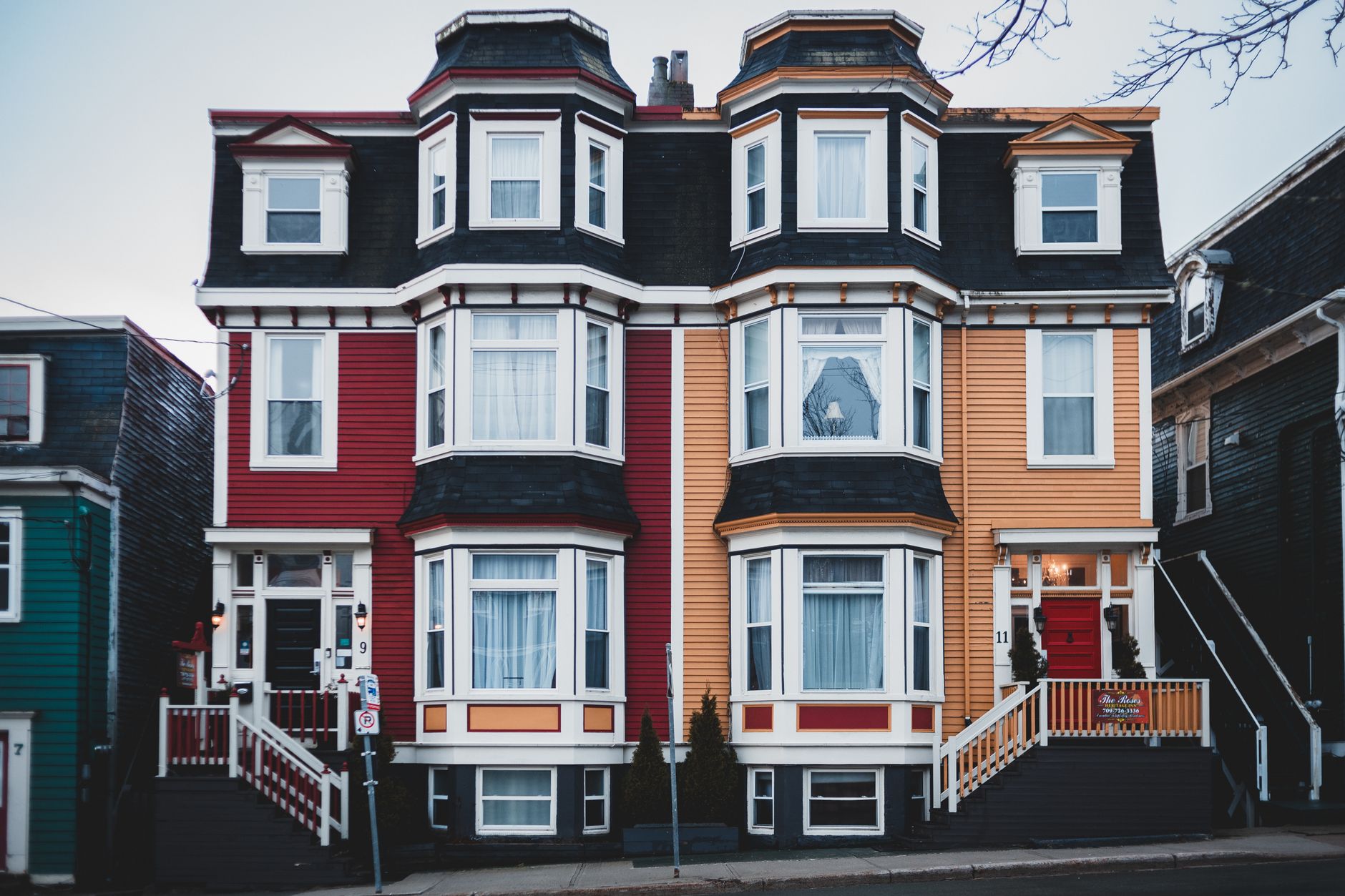
The terrain is the most obvious. Buildings on a hillside this steep cost more to renovate, access, and maintain. The housing stock is dense rowhouses built for a working-class population that no longer exists in those numbers, and many units need substantial work. And the residents, particularly the long-term homeowners, have shown a consistent appetite for organizing around zoning and development decisions that would change the character of the blocks they live on.
The result is a neighborhood that is changing, but slowly, on its own terms. New residents are moving in. Some vacant properties are being renovated. But Polish Hill hasn't experienced the kind of rapid commercial transformation that has reshaped Lawrenceville's Butler Street corridor or East Liberty's transit nodes. Whether that's a success or a missed opportunity depends on who you ask and what street they live on.
Getting there and why to go
Polish Hill is accessible by the 54C bus route along Brereton Street, or by foot from Bloomfield via Dobson Street. Driving is straightforward but parking on the steeper residential streets requires some nerve on winter mornings. The neighborhood rewards a slow walk more than a quick drive-through: the views back toward Downtown from the ridge above Brereton are among the better unremarked vistas in the city, and the architecture on the residential blocks is dense enough that there's always something to look at.
If you're building a broader sense of Pittsburgh's inner-ring neighborhoods, Polish Hill fits between Bloomfield and the Strip in geography and between the deeply rooted and the cautiously evolving in character. It hasn't become a destination yet. That's part of what makes it worth going to.