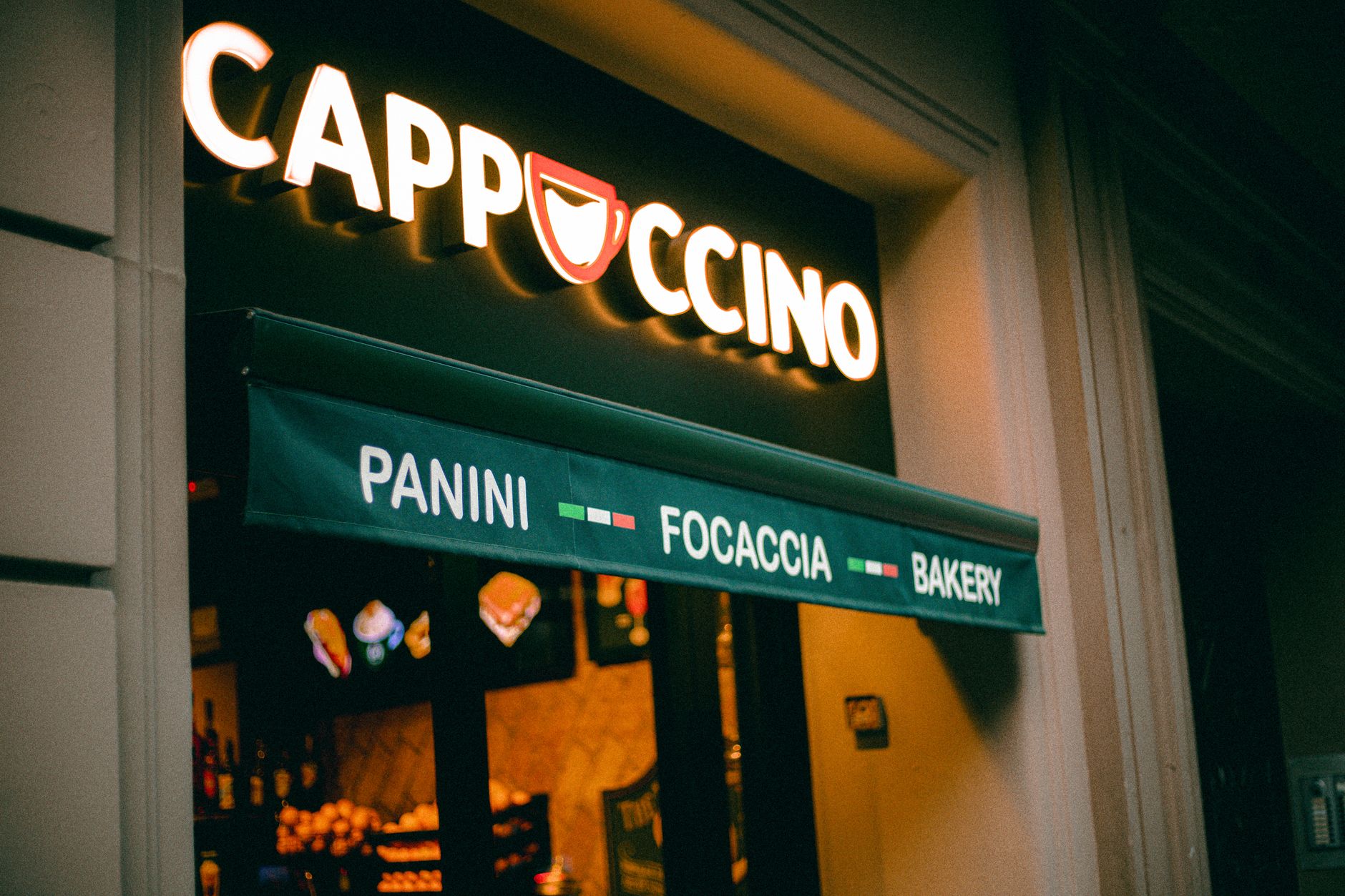

Bloomfield has been Pittsburgh's Little Italy for more than a century, and the neighborhood wears that label with a mix of pride and wariness. Liberty Avenue is still the spine of it: the bakeries, the red-sauce spots, the annual St. Anthony's feast that shuts down blocks every June. But the pressures pushing against that identity are real and have been building for years. Rising rents, generational turnover, and the spillover energy from East Liberty and Lawrenceville have all changed what Bloomfield looks like at street level. What hasn't changed is the neighborhood's stubborn insistence on staying itself.
What made Bloomfield Pittsburgh's Little Italy
Italian immigrants settled Bloomfield in large numbers starting in the late 1800s, drawn by steel mill work in nearby Hazelwood and the Strip District. By the mid-20th century, the neighborhood was one of the most densely Italian communities in western Pennsylvania. Families bought homes, opened shops, and built the kind of dense social fabric that made streets feel like extended living rooms. The parish of Sacred Heart Church on Baum Boulevard anchored much of that life.
That foundation didn't disappear. It thinned. Third- and fourth-generation families sold homes and moved to the suburbs. Some businesses closed when founders retired without successors. But enough stayed that Bloomfield retained its flavor in a way that neighborhoods like East Liberty largely did not. The difference was density of ownership. In Bloomfield, families owned properties outright, which buffered the neighborhood against the fastest wave of displacement.
What still holds
Walk Liberty Avenue on a Saturday morning and the evidence is specific. Groceria Merante has operated continuously since 1934, stocking imported Italian pantry goods and fresh pasta in a storefront that hasn't changed much in decades. Enrico's Tazza D'oro, the coffee shop at the corner of Liberty and Gross, pulls in regulars who've been coming for 30 years. The Pittsburgh Italian Cultural Society maintains programming in the neighborhood through festivals and community events.
St. Anthony's Festa in June is the most visible annual expression of that continuity. The feast, organized by St. Joseph's Parish, draws thousands and closes off several blocks of Liberty Avenue for food vendors, live music, and a religious procession that has run every year since the early 1900s. It's one of the oldest continuous Italian street festivals in Pennsylvania. The crowds who show up aren't all Italian-American anymore, but the people running it largely are.
The Bloomfield Garfield Corporation has been a quiet force in holding the neighborhood's character together, advocating for affordable housing and small business support across Bloomfield and neighboring Garfield. Its work isn't glamorous, but it's the kind of persistent institutional pressure that actually matters when developers start circling.
The pressures are real
Commercial rents on Liberty Avenue have climbed steadily over the past decade. Several longtime Italian businesses have closed not because they lost customers, but because lease renewals came in at rates the owners couldn't absorb. In their place: coffee shops, boutiques, and restaurants that reflect the tastes of newer, younger residents who've moved in from other Pittsburgh neighborhoods and out-of-state.
That's not inherently a problem. Bloomfield has always absorbed new residents; Italian immigrants were themselves newcomers once. But the pace of change and the direction of capital is different now. When a storefront that sold imported olive oil for 40 years becomes a cocktail bar, something specific is lost from the neighborhood's legibility as a place.
Residential displacement has been slower in Bloomfield than in neighboring Friendship, partly because of the home-ownership buffer mentioned earlier and partly because Bloomfield lacks the light rail access that tends to accelerate gentrification in Pittsburgh. Still, the broader citywide pattern of neighborhood reinvention is not bypassing Bloomfield. It's just arriving on a slightly longer timeline.
Who's doing the work of preservation
Preservation in Bloomfield isn't organized around a single institution. It's diffuse, which is both its weakness and its strength. Individual families hold onto properties. Business owners pass shops to children or nieces and nephews rather than sell to developers. The parish system, though weakened from its peak, still organizes community events that reinforce neighborhood identity.
There's also a younger cohort of Italian-American residents who've moved back into Bloomfield specifically because of what it represents. They're not running legacy businesses, but they're patronizing them. They show up to the festa. They push back at zoning meetings when new developments threaten to displace longtime tenants. That informal network of invested residents is the thing that's hardest for a developer to model and the thing most likely to keep Bloomfield recognizable.
Pittsburgh has a long record of watching neighborhoods lose their defining character before anyone mobilizes to defend it. Bloomfield is aware of that history. The neighborhood has watched what happened in other corridors and drawn some conclusions. Whether those conclusions produce durable outcomes is still being written.
What visitors actually find
If you visit Bloomfield expecting the full Little Italy experience of a major East Coast city, you'll need to calibrate. This isn't Boston's North End or New York's Arthur Avenue. The scale is smaller, the vibe is working-class residential, and the best things about the neighborhood aren't performing for tourists. The grocery is real, not curated. The coffee shop doesn't have a line around the block. The festa is a neighborhood event that outsiders are welcome at, not a tourism product.
That authenticity is exactly what makes Bloomfield worth paying attention to. It's one of the few Pittsburgh neighborhoods that still reads as itself in 2026, not as a redevelopment concept or a brand. The question the neighborhood is actively working through is how long that can last, and who gets to decide.
For anyone curious about how Pittsburgh's older residential neighborhoods function as living culture, not just history, Bloomfield is one of the better places to spend an afternoon. A full day in Pittsburgh that includes a walk down Liberty Avenue will tell you more about the city's texture than any single museum exhibit could.