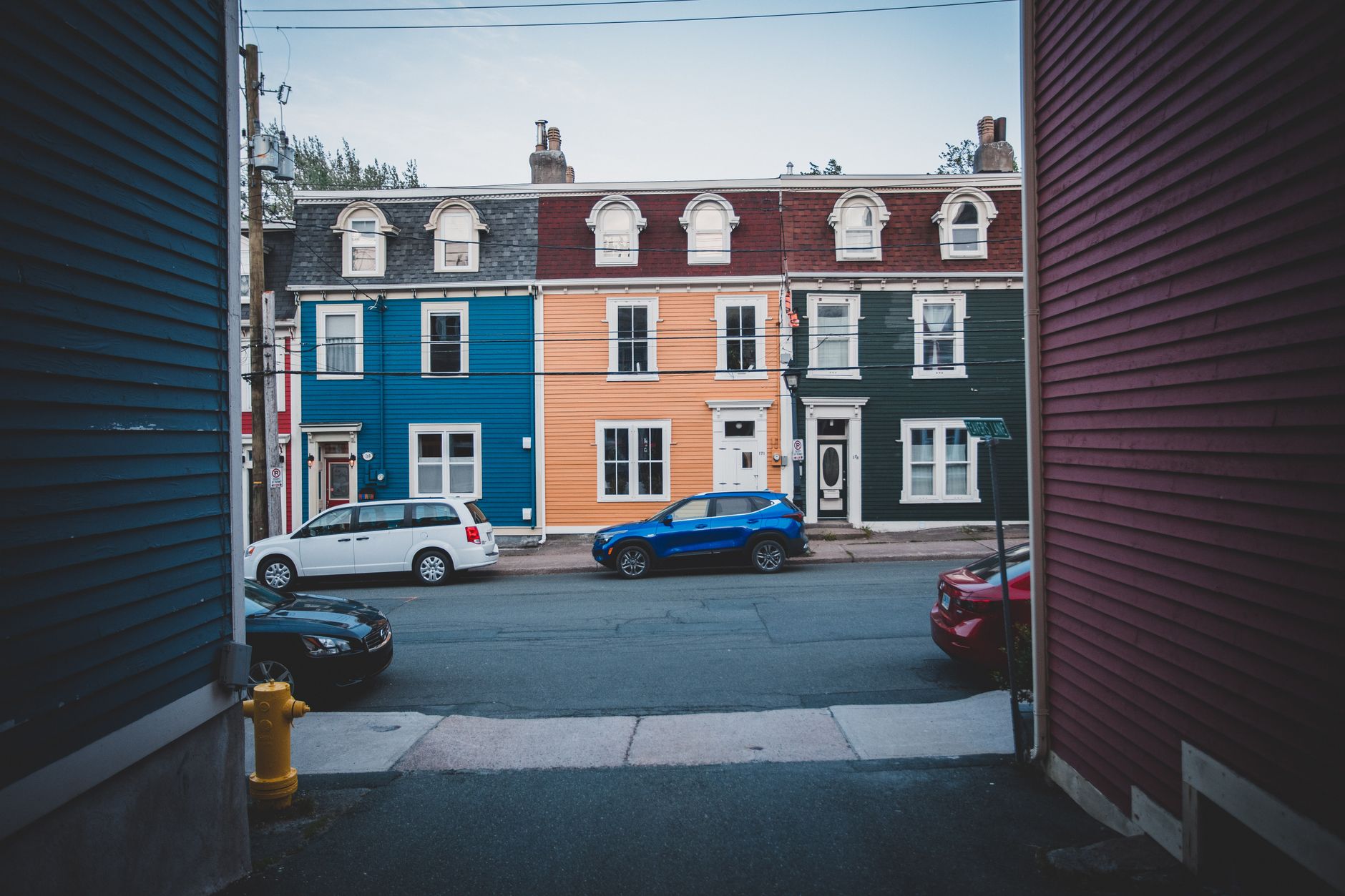

Bloomfield Garfield Corporation is one of Pittsburgh's longest-running community development organizations, anchoring the stretch of the East End where the Italian-American legacy of Bloomfield meets the historically Black and increasingly diverse neighborhood of Garfield. Founded in 1975, the organization has spent more than five decades doing the unglamorous but essential work of keeping neighborhoods livable: stabilizing housing, supporting small businesses, organizing residents, and pushing back when outside pressures threaten to displace the people who built these blocks.
What Bloomfield Garfield Corporation actually does
Bloomfield Garfield Corporation operates across three main areas: housing, commercial corridor development, and civic engagement. On the housing side, the organization rehabilitates vacant and blighted properties, works with low-income homeowners on repair assistance, and develops new affordable units. Garfield in particular has a significant stock of older rowhouses and detached homes, many of which need structural work before they can be safely occupied. Bloomfield Garfield Corporation has been a steady force in getting that work done rather than letting parcels sit or flip to speculative buyers.
The commercial work centers on Penn Avenue, the corridor that threads through both neighborhoods and into Friendship and East Liberty. Bloomfield Garfield Corporation helped seed what is now called the Penn Avenue Arts Initiative, which recruited artists to live and work along the corridor in exchange for below-market rents. That effort, launched in the early 2000s, is widely credited with stabilizing a stretch of Penn Avenue that had been struggling with vacancies and disinvestment. Several of the galleries, studios, and creative businesses that now line the avenue trace their presence there directly to that program.
The neighborhoods themselves
Bloomfield and Garfield sit side by side but carry very different identities. Bloomfield is Pittsburgh's Little Italy, a compact residential neighborhood with a dense commercial strip on Liberty Avenue and a fiercely loyal population that has lived there across generations. Garfield, to the north and east, has a more complex recent history: a neighborhood that saw significant disinvestment through the 1980s and 1990s but has attracted artists, activists, and a growing immigrant community over the past two decades.
That mix creates both opportunity and tension. Rising property values along Penn Avenue have made parts of Garfield more attractive to developers, which puts pressure on long-term residents who rent. Bloomfield Garfield Corporation has been vocal about anti-displacement policies, including advocating for community land trust models and opposing subsidized projects that don't include genuine affordability guarantees. It's the kind of advocacy that community development corporations don't always do loudly, but Bloomfield Garfield Corporation has made it central to its identity.
For anyone curious about Pittsburgh's neighborhoods on the rise, Garfield is consistently one of the names that comes up, and the trajectory there is inseparable from the organization's decades of groundwork.
Leadership and community presence
Bloomfield Garfield Corporation has maintained a physical presence in the community, which matters more than it might sound. The organization's office on Penn Avenue puts staff in regular contact with residents and business owners rather than operating from a distant nonprofit tower. Staff attend community meetings, respond to rezoning applications, and maintain a block-watch network that connects neighbors to one another and to city resources.
That ground-level presence is what separates Bloomfield Garfield Corporation from the kind of development entity that arrives in a neighborhood, builds something, and leaves. It's embedded. Residents know how to reach the organization, and the organization knows which properties are vacant, which landlords aren't maintaining their buildings, and which businesses are struggling with a lease renewal. That institutional knowledge doesn't get rebuilt easily.
The Penn Avenue Arts Initiative and creative placemaking
The Penn Avenue Arts Initiative deserves its own mention because it became a national model for what community development organizations can accomplish with creative placemaking. The idea was straightforward: recruit working artists to occupy vacant storefronts and upper-floor apartments, then use that activity to signal to other businesses that the corridor was safe to invest in. Bloomfield Garfield Corporation managed the program, vetted tenants, and negotiated with property owners who were skeptical about artists as commercial tenants.
It worked. Penn Avenue between Bloomfield and East Liberty is now one of Pittsburgh's more interesting commercial stretches, with galleries, design studios, a handful of restaurants, and the kind of foot traffic that makes a corridor feel alive. The Pittsburgh art gallery scene that visitors and residents explore today owes some of its vitality to the groundwork Bloomfield Garfield Corporation laid on Penn Avenue more than twenty years ago.
Housing rehabilitation and the affordability challenge
Pittsburgh's broader affordability picture is more complicated than the city's rust-belt reputation suggests. Costs have risen, and neighborhoods that were once affordable by default are now attracting buyers and developers who can outbid existing residents. Garfield is not immune to that pressure.
Bloomfield Garfield Corporation approaches housing rehabilitation as a tool for keeping existing residents in place. The organization has run programs that provide low-interest loans and grants to homeowners who need roof replacements, foundation work, or accessibility modifications. It has also developed rental housing at below-market rates, working with the Urban Redevelopment Authority of Pittsburgh and other funding sources to piece together the financing. These projects aren't glamorous. They don't generate ribbon-cutting press releases. But they keep families in homes they would otherwise lose.
Anyone trying to understand what it actually costs to live in Pittsburgh will find that the city's affordability varies sharply by neighborhood, and organizations like Bloomfield Garfield Corporation are a big reason some blocks remain accessible while others have tipped toward market-rate gentrification.
What comes next
Bloomfield Garfield Corporation operates in a city that is genuinely changing. Pittsburgh's tech and healthcare sectors keep growing. New residents keep arriving. Property values in previously overlooked neighborhoods keep climbing. The organization's challenge going forward is the same one it has faced since the 1970s, just with different details: make sure that growth benefits the people already here, not just the people who show up afterward.
That work requires resources, political will, and sustained community engagement. Bloomfield Garfield Corporation has demonstrated it can supply the engagement. The resources and political will depend on the city and its funders continuing to treat community development as infrastructure rather than a favor. For now, the organization keeps showing up on Penn Avenue, in city council chambers, and on the front porches of Garfield rowhouses, doing the work that keeps a neighborhood whole.