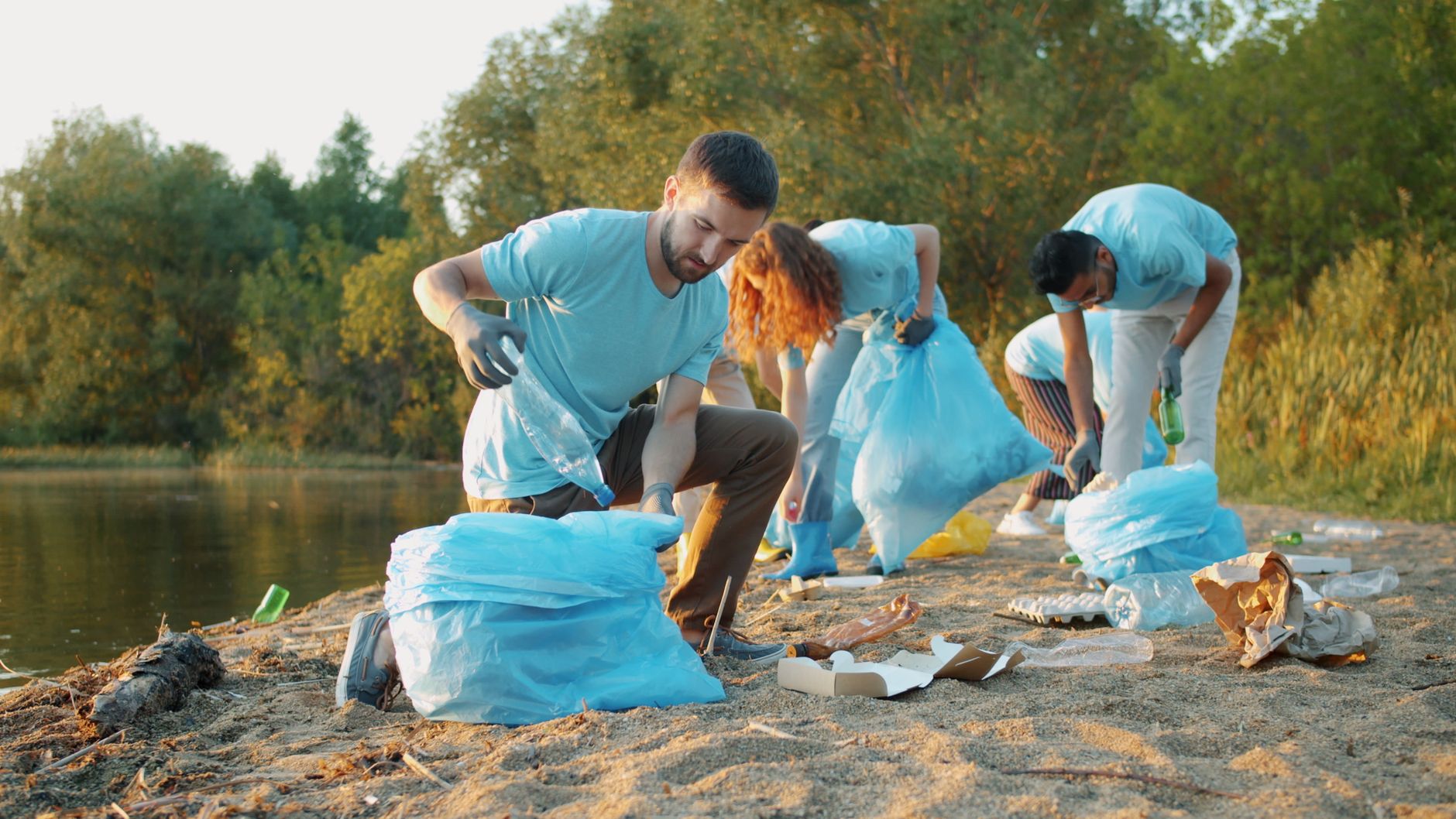
Pittsburgh sits at the confluence of the Allegheny, the Monongahela, and the Ohio, and for most of the twentieth century, those rivers were something residents walked past rather than toward. The industrial legacy was real: decades of runoff, combined sewer overflows, and casual dumping turned the banks into hard places to love. What's changed since is not just sentiment. It's labor. Dozens of organized groups now show up, regularly, with gloves and bags and data sheets, and the cumulative effect is visible.
This is not a story about one big organization. It's about a distributed system that works precisely because it isn't centralized.
Who organizes Pittsburgh's river cleanups
Three Rivers Waterkeeper is the most prominent advocacy and enforcement voice on Pittsburgh's rivers, but the hands-on cleanup infrastructure runs through a broader set of groups. Riverlife Pittsburgh coordinates seasonal shore cleanups along the Trail segments it maintains, partnering with corporate volunteers and neighborhood associations to staff events that can pull 200 people to a single riverbank in a morning.
The Allegheny CleanWays program, run through the nonprofit Keep Pennsylvania Beautiful, dispatches cleanup teams across Allegheny County. CleanWays focuses on illegal dump sites, many of which cluster near riverbanks and creek mouths where access roads make tipping easy and enforcement thin. A typical CleanWays haul from a single site runs to several tons of material.
Smaller and more neighborhood-specific are the groups anchored to particular stretches: the Friends of the Riverfront, which focuses on the north bank of the Allegheny, and watershed-based organizations like the Nine Mile Run Watershed Association, which works the creek corridor before it empties into the Mon. These groups do monthly or even weekly maintenance walks rather than one-off events.
What the crews actually find
Cigarette butts dominate every urban river cleanup by count, and Pittsburgh's waterways are no exception. As our earlier reporting on cigarette butt pollution documented, filters are the single most collected item in riverfront cleanups citywide, and they leach toxins into water for years. After butts, the typical haul runs to plastic bags, food wrappers, foam cups, and a rotating cast of larger items: tires, appliances, and construction debris near the dump sites CleanWays targets.
Data collection has become a bigger part of the work. Several groups now use standardized tracking forms tied to national databases, which means Pittsburgh's river cleanup results feed into regional and federal assessments of waterway health. That data shapes where green infrastructure dollars land.
Green infrastructure and the cleanup connection
Pittsburgh's stormwater management push has added another layer to the river cleanup ecosystem. The city's green infrastructure buildout aims to reduce the combined sewer overflows that flush street pollution directly into the rivers during rain events. Cleanup crews see the difference in real time: sites near completed green infrastructure installations show measurably less debris accumulation after storms than comparable sites that haven't been upgraded yet.
That connection has made cleanup organizations more vocal advocates for infrastructure investment. Groups that once focused purely on picking up trash now regularly testify at city council hearings and submit comments on permit applications, because they've watched enough rain events to understand where the waste originates.
How to join a cleanup
Most Pittsburgh river cleanups run on a seasonal calendar, with peak activity in April (Earth Month) and September. Allegheny CleanWays maintains an event calendar and will connect individuals with nearby crews. Riverlife Pittsburgh lists shore cleanup dates on its website throughout the warmer months. Friends of the Riverfront organizes the annual Three Rivers Cleanup, typically one of the largest single-day volunteer events in Western Pennsylvania.
Walk-up volunteers are welcome at most events, but registering in advance lets organizers size their supply kits correctly. Gloves and bags are provided. Sturdy shoes matter more than anything else, because riverbanks are uneven and often slick.
For residents who want to do more than one annual event, the Nine Mile Run Watershed Association and similar creek-based groups run maintenance walks that require no special commitment beyond showing up. Some have WhatsApp groups and informal schedules that make them feel more like a neighborhood habit than a charity drive.
What's still hard
Illegal dumping near the rivers hasn't stopped. CleanWays clears a site and sometimes finds fresh material within weeks, deposited after the crew left. Enforcement requires witnesses and follows a complaint-based process that moves slowly. Several community advocates have pushed for more camera coverage at known dump sites, but budget and privacy concerns have slowed that approach.
Access is the other persistent problem. Some of Pittsburgh's most littered riverbank stretches are physically difficult to reach. The trail gaps and missing connections that planners have been working to close aren't just inconveniences for recreational users; they're the same gaps that make it hard to staff and supply a cleanup crew. A section of bank you can't easily reach with a wheelbarrow doesn't get cleaned.
The people doing this work know all of this. They show up anyway, most Saturday mornings, because the alternative is watching the banks slide back.