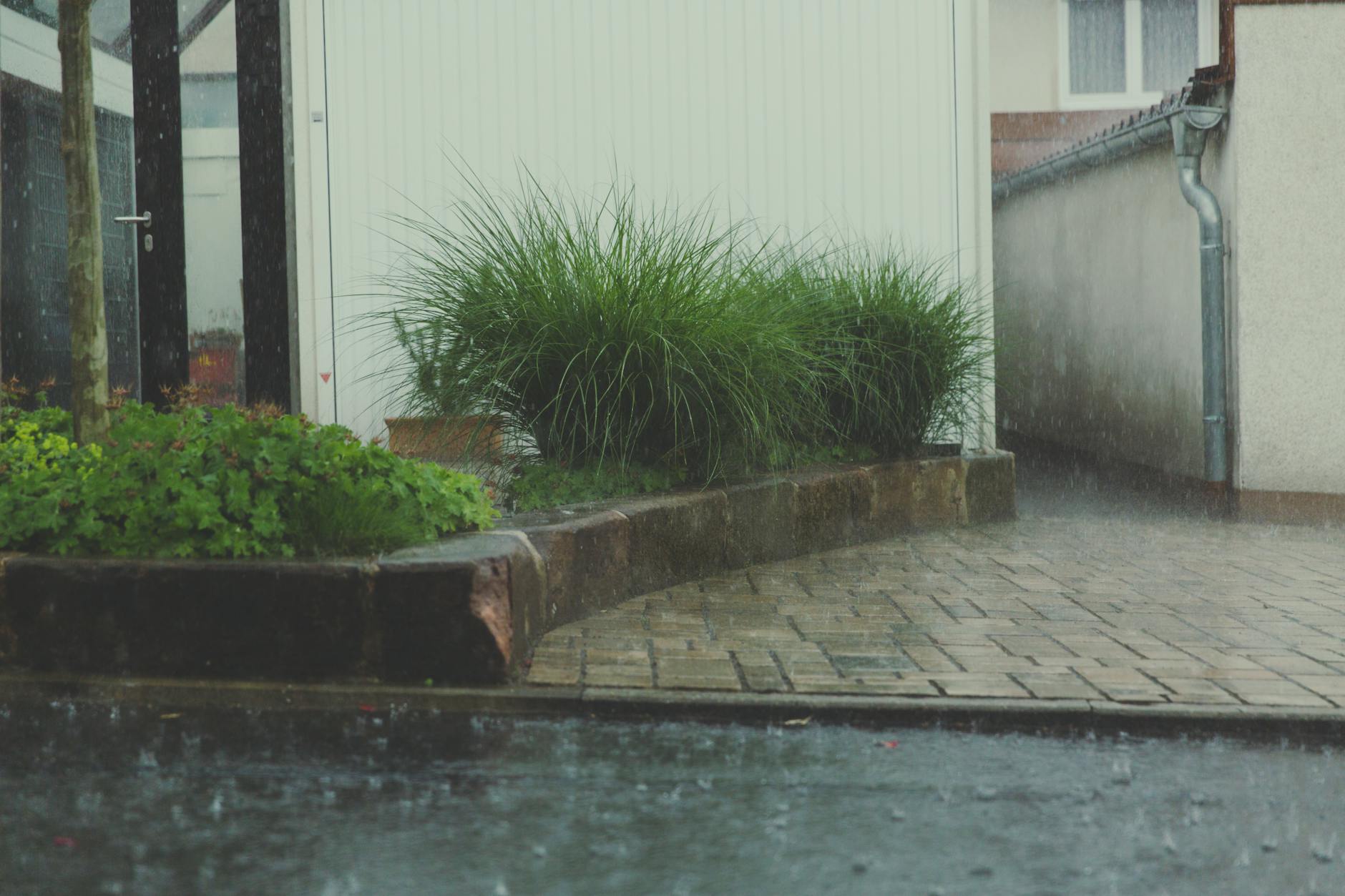
Pittsburgh sits at the meeting point of three rivers, which sounds like a gift. In heavy rain, it can feel more like a liability. The city's combined sewer system, which carries both sewage and stormwater in the same pipes, overflows into the Allegheny, Monongahela, and Ohio rivers after nearly every significant storm. The Pittsburgh Water and Sewer Authority estimates that PWSA manages roughly 1,100 miles of sewer lines, and many of them were built before the Civil War. When those pipes can't keep up, raw sewage goes straight to the water.
This is not a new problem. But the approach to fixing it is shifting in ways that are actually visible from the street.
Why combined sewers keep failing Pittsburgh
Combined sewer systems were standard infrastructure in the 19th century. Engineers designed them to handle both wastewater and runoff in a single pipe, with overflows built in as a pressure-release valve. The assumption was that rain would dilute the sewage enough to matter less. It doesn't.
Pittsburgh's topography makes things worse. The city's hills channel runoff fast and hard into valley corridors, sending large volumes of water into the system within minutes of a storm. Even a half-inch of rain can trigger an overflow event in certain drainage sheds. The Allegheny County Sanitary Authority (ALCOSAN) has been under a federal consent decree since 2008 to reduce these combined sewer overflows, and the authority's long-term control plan calls for billions in capital investment over the next two decades.
Gray infrastructure, meaning bigger pipes and deeper tunnels, is the conventional fix. It works, but it's extraordinarily expensive and does nothing for neighborhoods in the meantime. That's where green infrastructure enters the conversation.
What green infrastructure actually looks like on the ground
Green infrastructure is a broad term for systems that slow, absorb, or filter stormwater before it reaches the pipes. Rain gardens are the most common version: shallow, planted depressions that collect runoff from rooftops or pavement and let it percolate into the soil. Permeable pavement does the same thing underfoot. Green roofs absorb rainfall before it runs off. Tree pits and bioswales move water slowly through soil rather than rushing it into a drain.
Pittsburgh has been installing these systems in targeted neighborhoods since the early 2010s. The city and ALCOSAN have partnered on projects in Hazelwood, the Hill District, and the South Side, with rain gardens planted in residential parkways and curbside bioswales added to commercial streets. Nine Mile Run, which feeds into the Monongahela, has been a focus area for stream restoration work that doubles as stormwater management: restoring the stream's natural corridor slows runoff and filters pollutants that would otherwise pour into the river.
None of these individual projects eliminates the overflow problem on their own. The math doesn't work at that scale. What they do is reduce peak flow volumes during storm events, buying time for the pipes to catch up and keeping the dirtiest water out of the waterways.
Where the city is investing now
PWSA's current capital plan includes dedicated funding for green stormwater infrastructure through at least 2028. The focus is on what planners call "sewershed" targeting: identifying the drainage areas where green interventions will have the biggest effect on overflow frequency and routing investment there first.
Hazelwood has received particular attention. The neighborhood sits in a steep valley along the Monongahela, and its drainage patterns send large volumes of runoff into a system that can't handle it. The broader Hazelwood Green redevelopment on the former LTV steel site incorporates stormwater management into its site design, with green roofs, permeable surfaces, and constructed wetlands planned across portions of the 178-acre campus.
Polish Hill and Bloomfield, both of which drain into Nine Mile Run, are also active targets. Residents there have seen curbside rain gardens appear alongside street repaving projects, which keeps the cost of installation lower by bundling it with work that was already happening.
The equity dimension nobody talks about enough
Stormwater problems are not evenly distributed. Neighborhoods with more tree canopy, more permeable soil, and more open green space absorb rainfall more naturally than densely paved, historically disinvested areas. Pittsburgh's historically redlined neighborhoods often have exactly the combination that makes flooding worse: less canopy, more impervious surface, and older infrastructure that was under-maintained for decades.
The city's urban tree canopy program directly addresses one part of this. Losing canopy cover speeds up runoff significantly: a mature tree can intercept thousands of gallons of rainfall annually before it ever reaches the ground. The ongoing work to reverse urban tree canopy loss in Pittsburgh isn't just an aesthetic or climate resilience project. It's stormwater infrastructure, just the living kind.
PWSA has acknowledged the equity dimension explicitly in its green infrastructure planning documents, committing to prioritize sewersheds that overlap with environmental justice communities. Whether the funding actually follows those commitments at scale is the open question.
What comes next
The federal consent decree gives ALCOSAN a long runway but real accountability. The authority must demonstrate measurable progress on reducing combined sewer overflow volumes, and green infrastructure counts toward that goal only when it's part of a documented, monitored system. That means installation is only half the work: the city also needs to maintain these gardens, refill soil media, and keep drainage pathways clear, or they stop functioning within a few years.
Pittsburgh's rivers are genuinely cleaner than they were in the 1970s. Fish have returned to the Monongahela in numbers that would have seemed impossible two generations ago. Keeping that progress means closing the gap between what the aging pipe system can handle and what the city's storms demand of it. Green infrastructure isn't the whole answer. It's the part of the answer you can actually see from the sidewalk.