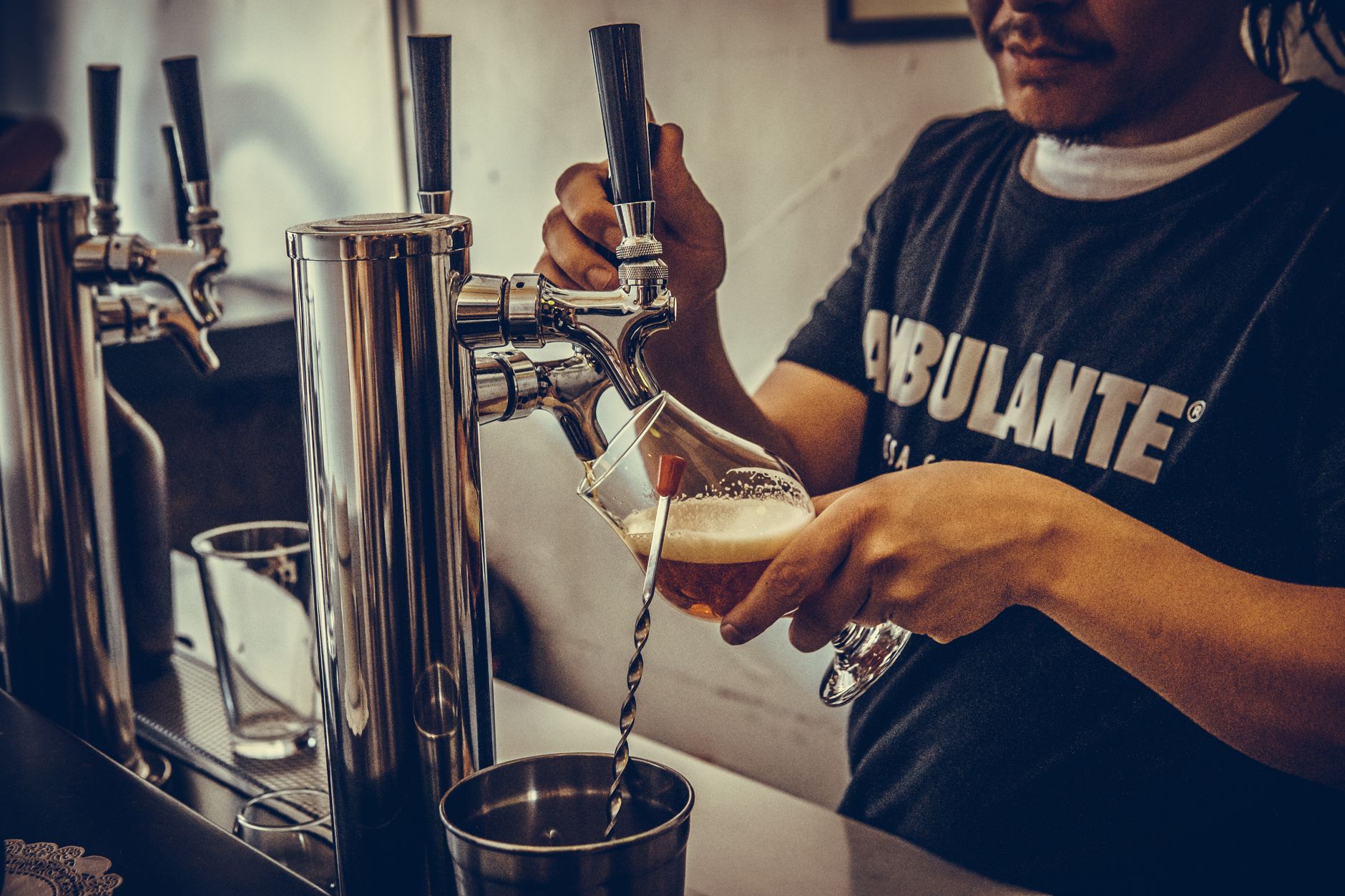

Pittsburgh's craft beer scene has never been short on ambition, but Bricoleur Brewing stands out for a different reason. Founded in Sharpsburg, the small but dense borough just north of Lawrenceville across the Allegheny River, Bricoleur is a taproom-first operation built by people who cared more about the neighborhood they were moving into than the branding exercise of launching a beer label. The name itself signals the ethos: "bricoleur" is a French term for a maker who builds things from whatever is at hand, improvising rather than following a fixed blueprint.
That spirit runs through everything from the tap list to the physical space. The founders renovated an existing building on Main Street in Sharpsburg rather than seeking out a purpose-built facility, keeping costs grounded and the footprint deliberately local. It's a small operation by design. The brewery doesn't chase distribution deals or shelf space at grocery chains. Bricoleur sells most of its beer on premises, which keeps the revenue local and the relationship with customers direct.
Who founded Bricoleur and why Sharpsburg
The brewery was founded by a small group of Pittsburgh-area residents who had been homebrewing for years before formalizing the project. Sharpsburg was a deliberate choice. The borough sits in a part of the city's orbit that was already seeing interest from creative businesses and younger residents priced out of Lawrenceville proper, but it hadn't yet attracted the density of food-and-drink investment that was reshaping neighborhoods like downtown Lawrenceville just across the river.
That gap was the point. Sharpsburg needed a gathering place. It had bars, but not a brewery. Not a spot that felt designed for the kind of slow, mid-afternoon visit that taprooms enable. Bricoleur fills that role without pretension. The space is unpretentious, the staff know regulars by name, and the beer rotates often enough to give repeat visitors a reason to come back.
What the taproom actually offers
Bricoleur keeps about a dozen beers on tap at any given time, with a core lineup supplemented by seasonals that lean into whatever the brewers are experimenting with that month. Styles run from accessible (approachable lagers, a reliable pale ale) to more adventurous (mixed-fermentation sours, small-batch saisons). The core lineup exists so that a newcomer isn't overwhelmed. The experimentals exist so that regulars stay curious.
The taproom hosts events on a consistent schedule: trivia nights, live music on weekends, occasional collaborative releases with other Pittsburgh makers. Collaboration is something Bricoleur takes seriously. The brewery has worked with local food vendors and hosted pop-ups from nearby restaurants, keeping the economic loop tight within the community it serves.
Food is available at the taproom, though the menu is intentionally limited. The focus is the beer. Guests are welcome to bring in food from nearby spots, which is both a practical accommodation and a quiet endorsement of the neighborhood's other small businesses.
How Bricoleur fits into Pittsburgh's broader founder story
Pittsburgh has developed a particular kind of small-business founder culture over the past decade. It's less about unicorn ambitions and more about filling genuine local needs. Bricoleur fits squarely in that tradition. The founders didn't set out to build a regional brand. They set out to build a taproom they'd want to drink at, in a neighborhood they already cared about.
That approach is more common in Pittsburgh than the startup press tends to acknowledge. It shows up in pet businesses, design studios, and community-oriented ventures across the city. The Dogz Dream Inn story is one version of it: a founder who identified a neighborhood gap and built a business around a genuine personal connection to the problem. Bricoleur is another version, applied to fermentation and public gathering space.
The brewery's growth has been organic. Bricoleur didn't raise outside capital and hasn't pursued the kind of aggressive expansion that often follows a well-received taproom opening. The founders have spoken openly about preferring slow, debt-light growth over the pressures that come with investor timelines. That's a choice with real consequences: it limits scale, but it also preserves the culture that made the place worth visiting in the first place.
Why the neighborhood taproom model works in Pittsburgh
Pittsburgh's geography makes it unusually well-suited to the neighborhood taproom format. The city's 90-plus distinct neighborhoods each have their own identity, their own commercial corridors, and their own loyal residents who prefer walking to driving. A taproom that roots itself in one of those neighborhoods can build genuine community attachment in a way that a regional chain never could.
Sharpsburg is walkable from parts of Etna and Millvale as well as from the Lawrenceville edge closest to the river. Bricoleur draws from all of those communities. On a busy Friday evening, the crowd reflects the mix: longtime Sharpsburg residents, transplants who arrived in the past few years, cyclists who rode the Allegheny trail and stopped in on the way back. It's exactly the kind of cross-section that makes a taproom feel like a neighborhood institution rather than a novelty.
Allegheny Wine Mixer, just across the river on the North Side, has built a similar kind of loyalty through personal service and a deliberate commitment to its own neighborhood. The comparison is useful: both businesses prove that in Pittsburgh, staying small and staying local isn't a constraint. It's often the strategy.
Bricoleur maintains an active taproom schedule and posts its current draft list online, updated as batches turn over. For Sharpsburg, it's become exactly what the founders intended: the kind of place a neighborhood builds its social life around.