Dogz Dream Inn started the way a lot of Pittsburgh small businesses do: with a person who couldn't ignore a problem they genuinely cared about. For founder Donna Kowalczyk, that problem was simple to name but hard to solve. Pet owners in her part of the city had nowhere to leave their dogs and feel truly confident about it. Standard boarding kennels felt cold. Neighbors who offered informal sitting had no accountability. Kowalczyk wanted something in between, something that ran like a real business but felt like a home. What she built, over several years of quiet grinding, became Dogz Dream Inn.
Where the idea came from
Kowalczyk grew up in Pittsburgh's South Hills and spent most of her adult life watching the city's relationship with pets evolve. Dog ownership in Pittsburgh had been climbing steadily, particularly as young professionals moved into neighborhoods like Lawrenceville, Polish Hill, and Bloomfield and chose dogs over children or alongside them. But the infrastructure for pet care hadn't kept pace. Vet clinics were plentiful. Dog parks had multiplied. Boarding, though, especially boarding that felt genuinely attentive, remained patchy.
She spent about two years researching the market before committing. She visited kennels in Pittsburgh and in other mid-size cities, took notes on what made owners anxious, and talked to as many dog people as she could find. The consistent complaint was not price or location. It was trust. Owners wanted to know their dog wasn't sitting in a concrete run for ten hours a day. Kowalczyk built Dogz Dream Inn around that single insight.
How the business actually works
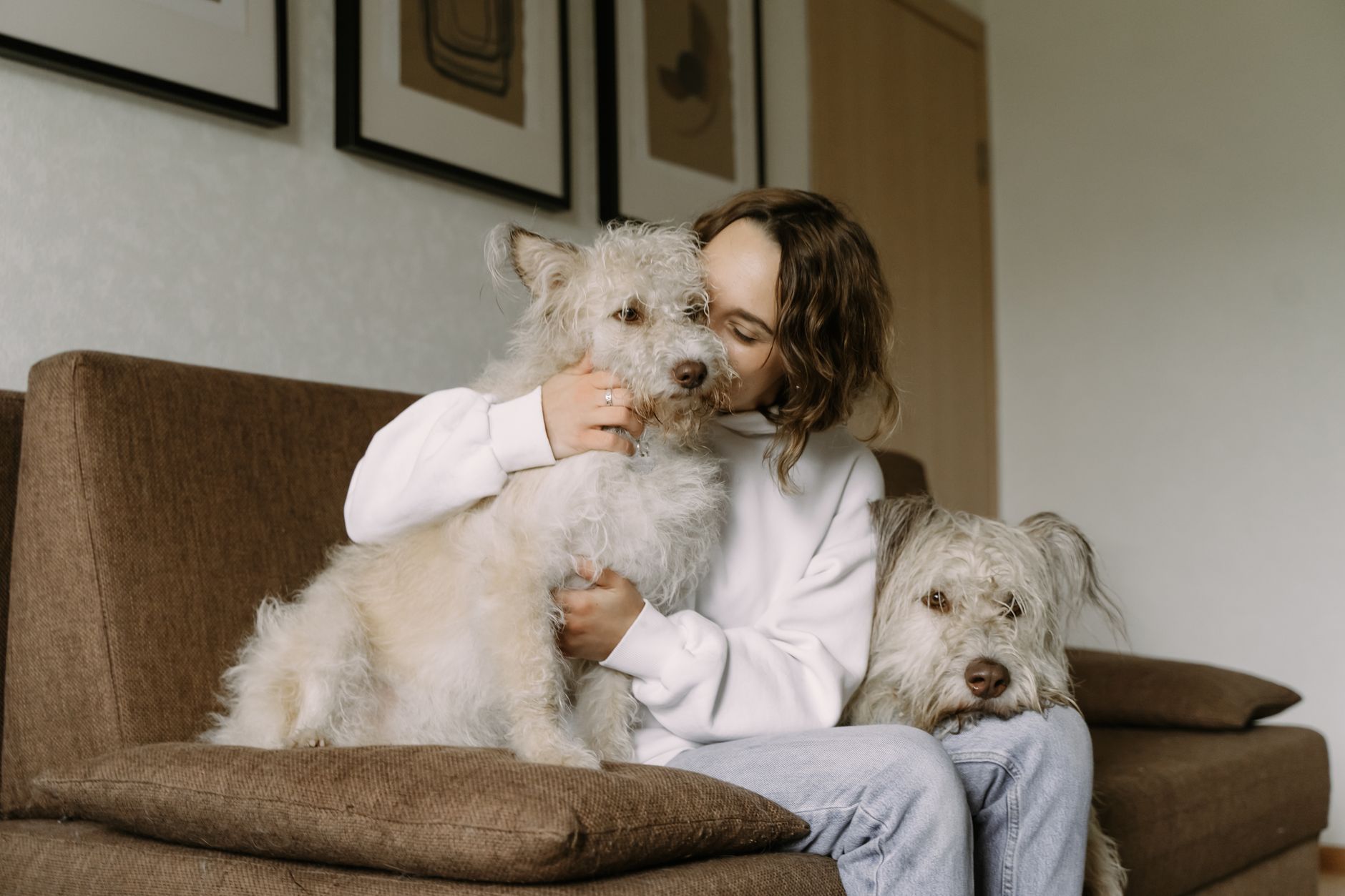
Dogz Dream Inn operates on a home-style boarding model rather than a traditional kennel setup. Dogs stay in a residential environment, with supervised group play, individualized feeding schedules, and regular updates sent to owners via photo or short video. The intake process is more rigorous than most: all dogs must be current on vaccinations, must pass a temperament evaluation, and must be a good fit for the existing guest mix before a stay is confirmed. That selectivity, which can frustrate prospective clients at first, is precisely what keeps the environment calm enough to work.
Kowalczyk also built in transparency from the start. Owners are encouraged to ask questions, drop by for tours before booking, and pull their dog at any point if they're uncomfortable. It's a posture that costs her some volume but earns the kind of repeat business that stabilizes a small operation. Most of her clients today found her through word of mouth, which she considers the most honest marketing metric there is.
Building a business in Pittsburgh's small-business landscape
Running a service business in Pittsburgh comes with specific rhythms. The city rewards consistency and punishes flash. Kowalczyk learned early that her neighborhood clientele cared more about whether she answered her phone than whether she had a polished brand presence. That said, she invested in a proper website and booking system once volume demanded it, recognizing that even trust-based businesses need functional infrastructure to scale.
She has watched other pet care startups come and go in Pittsburgh, some better funded, some with slicker marketing. The ones that lasted, she says, were the ones that treated the animal's experience as the actual product, not a byproduct of the owner's convenience. That philosophy tracks with what Pittsburgh entrepreneurs across sectors have found: in a city that tends to be skeptical of hype, genuine competence is a more durable competitive advantage than a strong launch.
What's next for Dogz Dream Inn
Kowalczyk has resisted the urge to grow too fast. She knows that the home-style model has a natural capacity ceiling, and that blowing past it would compromise the thing that makes Dogz Dream Inn worth choosing. Instead, she has focused on deepening the service: adding a basic obedience reinforcement component during stays, building out a network of trusted sitters she can refer overflow clients to, and exploring partnerships with local veterinary practices.
She is also paying attention to what's happening around her in Pittsburgh's small-business ecosystem. The city's cost of living remains one of its genuine advantages for entrepreneurs trying to stay lean, a point that comes up in almost any conversation about what it actually costs to run a life and a business here. For Kowalczyk, lower overhead has meant more flexibility to say no to clients who aren't a good fit and more capacity to invest in the quality of each individual stay.
Dogz Dream Inn is not a venture-backed disruption play. It is a Pittsburgh small business built by someone who found a real gap, filled it with real care, and is now figuring out how to sustain that without losing what made it work. In a city full of founders doing exactly that kind of quiet, durable work, it fits right in.