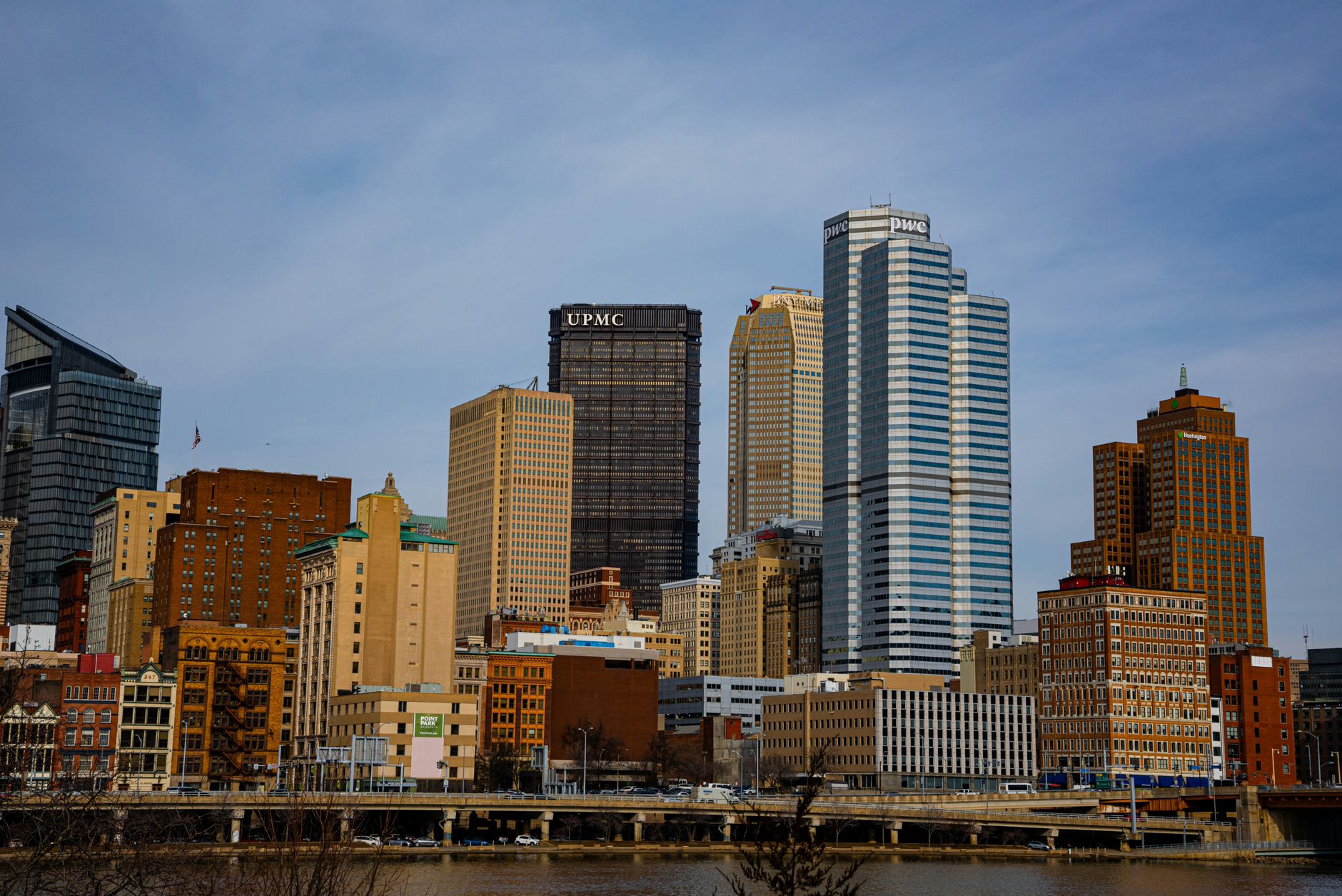

Mount Washington Pittsburgh sits on a ridge 400 feet above the confluence of the Allegheny and Monongahela rivers, and the view from Grandview Avenue is one of the most photographed urban panoramas in the United States. But Mount Washington is more than a viewpoint. It's a working neighborhood with steep streets, two operating inclines, serious restaurants, and a residential identity that most visitors don't slow down long enough to notice.
Getting to Mount Washington
Two options stand out, and both are worth taking at least once. The Duquesne Incline, opened in 1877 and still operated by the Society for the Preservation of the Duquesne Heights Incline, runs from West Carson Street up to Grandview Avenue. The Monongahela Incline, operated by Pittsburgh Regional Transit, does the same job a few blocks east. Both cost less than $3 each way. You can also drive up via Grandview Avenue from the South Side, though parking thins out on weekends. If you're already exploring downtown Pittsburgh, the Monongahela Incline lower station is a short walk across the Smithfield Street Bridge.
The views: what you're actually seeing
Grandview Avenue runs the length of the ridge and faces north toward the city. The overlooks along it aren't interchangeable. The best-known stretch sits between the two incline upper stations, where a series of concrete platforms jut out over the hillside. At night, the view sharpens: the bridges light up, the stadium rooflines glow, and the confluence below catches the reflections. On clear evenings, you can see the hills of North Pittsburgh from here.
The Pittsburgh skyline reads differently from this height than it does from street level. From Grandview, you get the full wedge shape of the Golden Triangle, hemmed in by two rivers and opened to the third. It's a geography lesson delivered in one glance.
Restaurants on Grandview Avenue
The dining strip along Grandview Avenue has gone through serious changes over the past decade. A few names have stuck.
Monterey Bay Fish Grotto has held its position at the top of the Monongahela Incline for years, serving seafood with a view that the food doesn't need to compete with, though it holds up. Tin Front Café sits a few blocks west and handles the neighborhood's daily coffee needs without pretense. For something more ambitious, The Grandview Saloon draws a mix of locals and visitors with solid pub food and an outdoor deck that keeps the view in frame.
Mount Washington also has a handful of spots that don't trade on the view at all. These are the ones worth finding: corner bars, a pizza shop or two, and a diner that fills up on Sunday mornings with residents rather than tourists. If you want a broader search for where to eat across the city, the best restaurants in Pittsburgh guide covers ground across all neighborhoods.
The inclines: how they actually work
Pittsburgh once had 17 funicular railways running up its hillsides. Two survive. The Duquesne Incline and the Monongahela Incline both carry passengers up a roughly 35-degree grade, and both have done it continuously for well over a century. The Duquesne Incline's upper station houses a small museum of historic photographs and an observation deck. The Monongahela Incline is a transit line first: Pittsburgh Regional Transit accepts ConnectCard fare, and commuters use it daily to get between the South Side and the ridge neighborhoods above.
Both are worth riding. Don't just ride one up and back down. Take the Duquesne up, walk the Grandview overlooks, and take the Monongahela back. That loop covers the best of the ridge in under two hours.
Trails and outdoor space
Mount Washington's terrain makes it one of Pittsburgh's better spots for urban hiking. The hillside below Grandview holds a network of informal paths, public stairways, and maintained trails connecting the ridge to the South Side below. Pittsburgh has more than 800 sets of public stairways, and several of the steepest and most dramatic descend from Mount Washington's ridge.
The Grandview Park sits just off the main strip and offers a quieter perch than the busy overlooks. It's grassy, rarely crowded on weekday mornings, and positioned above a section of hillside that stays wooded year-round. Fall color here runs from mid-October through early November, depending on the year.
Living in Mount Washington
Mount Washington is a residential neighborhood first. About 6,500 people live on the ridge, in a mix of rowhouses, duplexes, and detached homes that run steep with the terrain. The housing stock is older, and the lots are narrow, but prices have held more stable than in some East End neighborhoods that attracted heavier investor attention.
The neighborhood sits in Pittsburgh's South Hills zone, which means its transit connections run toward downtown rather than across to Oakland. The inclines handle the most direct downtown commute faster than any car trip during rush hour. Grandview Avenue has a small commercial spine with a grocery, a pharmacy, and enough daily services that residents don't need to drive for most errands.
Schools in the immediate area fall under Pittsburgh Public Schools, with the South Hills zone feeding into Brashear High School. Families considering the neighborhood as a long-term base should read through Pittsburgh's school district breakdown before making a decision.
What most visitors miss
The overlooks on Grandview get the crowds. But the streets directly behind them are quiet, residential, and worth a slow walk. Wyoming Street runs parallel to Grandview and offers a view of the backyards and rooflines of the neighborhood rather than the skyline, which tells a different story. The hillside stairways that descend toward the South Side flats are genuinely dramatic and almost always empty.
The Duquesne Incline's upper station museum is free to enter and takes about 20 minutes. It covers the history of Pittsburgh's lost funicular system with real specificity: routes, engineering, ridership numbers, and photographs from the early 1900s when the hillside inclines were as essential as buses are today.
Mount Washington Pittsburgh rewards the visitor who stays past sunset and the resident who learns which coffee shop fills up first on Saturday mornings. The view is the reason people come. The neighborhood is the reason some of them stay.