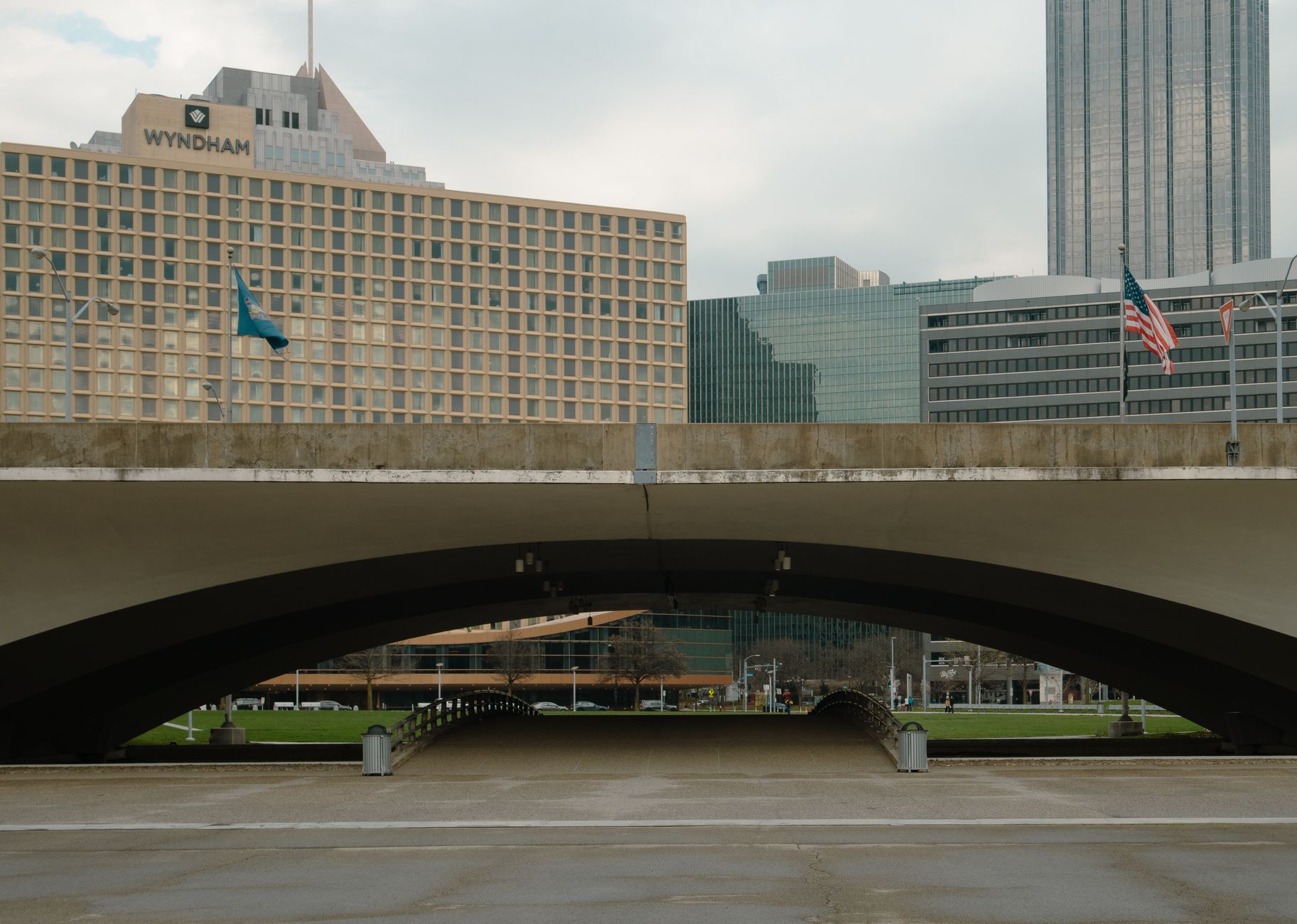

Things to do in downtown Pittsburgh cover a wider range than most visitors expect. The Golden Triangle, wedged where the Allegheny and Monongahela rivers meet to form the Ohio, is compact enough to walk end to end in under 30 minutes. What fills those blocks is the real surprise: a riverfront park that anchors the whole city, a dense theater district, independent restaurants, public art, and access to three rivers worth paddling. This guide covers the places worth your time, whether you've got two hours or a full weekend.
Start at Point State Park
Point State Park sits at the literal tip of downtown, where Pittsburgh's geography becomes impossible to ignore. The 36-acre park offers an unobstructed view of all three rivers, and the fountain at its tip shoots 150 feet into the air on most warm-weather days. It's the city's most photographed spot for a reason, but it earns its reputation. Morning runs here, afternoon picnics on the lawn, and evening walks along the river wall are all genuinely good uses of the space. Bring a blanket. The grass is well-kept, and the view of the bridges from the point is one of the best in any American city.
Point State Park also connects directly to the Three Rivers Heritage Trail, which runs along both the Allegheny and Monongahela. If you want to extend a morning walk into something longer, the trail pulls you north toward the North Shore or east toward the Strip District without a single traffic crossing.
Walk the Cultural District
Pittsburgh's Cultural District runs along Penn Avenue between Stanwix and 10th streets. It holds more than a dozen performance venues in a 14-block stretch, including Heinz Hall (home of the Pittsburgh Symphony Orchestra), the Benedum Center for the Performing Arts, the August Wilson African American Cultural Center, and the smaller but consistently excellent City Theatre across the river on South Side. On any given evening, at least two or three productions are running simultaneously.
Daytime in the Cultural District is worth your attention too. The sidewalks feature public art installations embedded into the streetscape, and the storefronts mix restaurants, wine bars, and independent shops. If you want to understand what Pittsburgh's arts scene actually looks like, spend an afternoon walking Penn Avenue from end to end. Stop into any of the lobby galleries in the performance venues. Most are open to the public.
Explore the downtown market and food scene
Downtown Pittsburgh's restaurant scene has improved significantly over the past decade. The former food desert reputation is outdated. You'll find serious lunch counters, cocktail bars, and dinner-worthy rooms within a few blocks of Market Square. The square itself remains the social hub of downtown: a pedestrian plaza ringed by restaurants and bars where people actually linger. Friday nights and weekend afternoons fill it up.
For a proper meal, the best dining rooms in Pittsburgh are spread across the city, but downtown holds its own with a strong set of options ranging from casual market lunch spots to white-tablecloth rooms within walking distance of the major hotels. The Strip District is a 15-minute walk or a quick rideshare east, and it adds a full dimension to any downtown food itinerary.
See live performance
The Pittsburgh Symphony Orchestra performs at Heinz Hall on Penn Avenue throughout the season. Single tickets are available and don't require a subscription. The PSO plays roughly 100 concerts per year, mixing classical programs with pops nights and occasional film scores performed live. For theater, the Benedum Center hosts touring Broadway productions as well as Pittsburgh Ballet Theatre and Pittsburgh Opera performances. The Pittsburgh Cultural Trust manages the majority of downtown venues and posts a unified calendar worth bookmarking.
Smaller productions happen at the City Lights stage inside the Trust Arts building on Penn Avenue. These tend to be more experimental, lower priced, and easier to get into on short notice. Worth checking even if you don't have a specific show in mind.
Visit the Carnegie Science Center and North Shore
Cross the Andy Warhol Bridge or the Roberto Clemente Bridge and you're on the North Shore in under five minutes. Carnegie SportsWorks at the Carnegie Science Center is one of the more interactive exhibits in the city, and the Science Center itself covers four floors of hands-on exhibits plus an omnimax theater. PNC Park sits just to the east, and the North Shore riverfront promenade connects everything with a clean, flat walking path.
The view back toward downtown from the North Shore bridge is arguably better than the view from downtown itself. Both bridges in this stretch are pedestrian-friendly and short enough to feel like a casual stroll rather than a commitment. Budget a half-day if you cross.
Public art and architecture worth noticing
Downtown Pittsburgh has one of the densest concentrations of public art in any American city center its size. The August Wilson African American Cultural Center on Liberty Avenue anchors an entire block and hosts rotating exhibits alongside its permanent programming. PPG Place, the glass castle designed by Philip Johnson and completed in 1984, is worth stopping in front of even if you don't go inside. The gothic-glass towers reflect everything around them and look genuinely different at every hour of the day.
The Gateway Center buildings, the Koppers Building on Grant Street, and the neo-Gothic Trinity Cathedral on Sixth Avenue all tell chapters of downtown Pittsburgh's architectural history. None of them require a ticket. A self-guided walk along Grant and Wood streets covers most of the major civic architecture in under an hour.
Getting on the water
Three rivers converge downtown, and getting onto them is easier than most people realize. Gateway Clipper Fleet offers public cruises from the Monongahela Wharf on weekends and evenings. For something more active, Pittsburgh kayaking is accessible from several launch points within walking distance of downtown, including the Allegheny River launch just north of the Andy Warhol Bridge. A guided paddling tour is a practical way to get your bearings on the water without committing to a full kayaking setup.
A note on timing
Downtown Pittsburgh is genuinely different depending on the day. Weekday lunch hours buzz with the office and university crowd. Saturday mornings are quiet and walkable. Friday and Saturday evenings shift into Cultural District performance mode, with restaurants filling up around curtain time. The Peoples Gas Holiday Market transforms Market Square and surrounding streets each December into a European-style Christmas market that runs for several weeks. If any version of downtown Pittsburgh is worth planning a trip around, it's that one.
Whatever the season, the best approach is the same: park once or take the T into downtown, then walk. The distances are short, the hills are minimal on the flat Triangle, and the city reveals itself at walking pace in a way that driving or ridesharing simply doesn't allow.