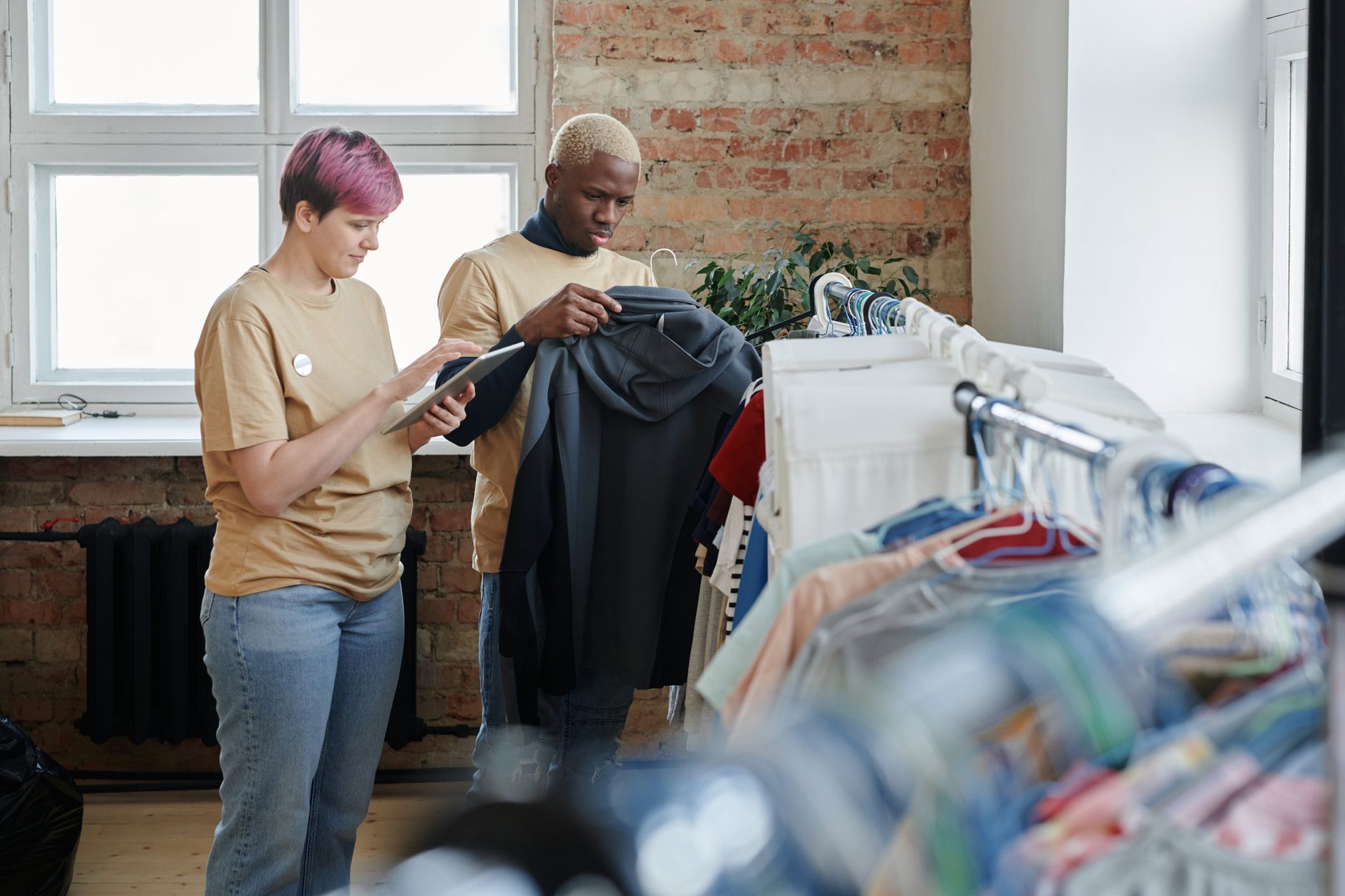

Goodwill SWPA, the southwestern Pennsylvania arm of the national Goodwill network, is one of the Pittsburgh region's most quietly powerful institutions. Most residents know it as a chain of thrift stores where you can drop off last season's clothes or score a bargain bookshelf. The bigger story is what happens after the sale: every dollar generated on the shop floor flows back into workforce development programs that help thousands of people find stable employment every year.
What Goodwill SWPA actually does
Goodwill Industries of Southwestern Pennsylvania serves Allegheny County and a broad ring of surrounding counties, including Beaver, Butler, Greene, Lawrence, Washington, and Westmoreland. Its mission centers on removing barriers to employment for people who face them most acutely: adults with disabilities, veterans, individuals with criminal records, people in recovery, and those who have been out of the workforce for extended periods. The organization connects them with job training, career coaching, digital literacy courses, and direct employer partnerships.
The retail side of the operation is the engine. Goodwill SWPA runs dozens of stores and attended donation centers across the region, processing millions of pounds of donated goods each year. Items that can be resold are priced and shelved. Those that cannot are handled through salvage and recycling channels, keeping as much material as possible out of the waste stream. This circular model means that donating a bag of old kitchenware is, in a very real sense, a workforce investment in a Pittsburgh neighbor.
Career services and job training programs
Goodwill SWPA's employment programs are the heart of its work, and they have grown considerably in scale and scope. The organization runs workforce development centers that offer resume writing workshops, interview preparation, occupational skills training, and access to computers for people who lack devices or reliable internet at home. Some programs are geared toward specific industries, including healthcare support roles, logistics, and retail management.
The nonprofit also partners with state agencies and local employers to move participants directly into job placements. This direct-to-employer pipeline distinguishes Goodwill SWPA from more generalist social service providers. Rather than simply coaching people and sending them off to job boards, the organization works the employer side of the equation, cultivating relationships with companies actively hiring in the Pittsburgh area.
For veterans specifically, Goodwill SWPA has operated targeted programs that acknowledge the particular challenges of transitioning from military service to civilian employment. These include specialized counseling, résumé translation (turning military experience into civilian language), and connections to veteran-friendly employers. Pittsburgh's deep ties to manufacturing, healthcare, and the growing tech sector give participants a meaningful range of industries to pursue. Speaking of that tech sector, the top tech companies shaping Pittsburgh in 2026 represent exactly the kind of employers Goodwill SWPA is actively cultivating partnerships with.
The thrift stores: what shoppers should know
Shopping at a Goodwill SWPA location is a different experience from most retail. Inventory turns constantly, determined entirely by what the community donates. On any given weekend, a single store might have an almost comical mix of 1970s cookware, barely-worn athletic gear, vintage band tees, and a full set of children's encyclopedias nobody wanted to throw away.
Prices are generally low by design. The point is to move goods quickly and generate revenue for programs, not to maximize margin on individual items. Savvy shoppers know to visit frequently, because the selection can shift dramatically within a few days. Many locations also run color-tag discount rotations, where items marked with a specific tag color are discounted further each week before being cleared from the floor.
Donations can be dropped off at any retail location or at standalone attended donation centers. Goodwill SWPA's staff sort and assess everything on-site. Clothing, furniture, housewares, electronics, books, and sporting goods are all accepted, though the organization does have guidelines on what it cannot process (items with significant damage, certain large appliances, and hazardous materials, for example). If you are clearing out a home or apartment in a Pittsburgh neighborhood, a Goodwill SWPA donation run is one of the most efficient and purposeful ways to handle the surplus. For those tackling a larger home refresh, the kind of work that Pittsburgh's neighborhood design studios often help clients navigate, a donation drop-off is a natural first step before bringing new pieces in.
Community footprint and neighborhood presence
Goodwill SWPA locations are scattered across Pittsburgh's neighborhoods and suburbs in a way that reflects the organization's broad service area. You will find stores in the North Side, Monroeville, McKeesport, Bethel Park, and beyond. In many neighborhoods, the local Goodwill is more than a thrift store; it is a community touchpoint where residents donate, shop, and occasionally connect with the career services team operating out of a back corner of the floor.
This neighborhood-level presence is part of what makes Goodwill SWPA effective. Workforce development organizations that operate only from centralized offices can feel distant or inaccessible to the people who need them most. Goodwill's store footprint functions as a distributed network of access points, lowering the barrier to engagement for people who might not seek out a downtown career center on their own.
Pittsburgh has always had a strong nonprofit infrastructure, and Goodwill SWPA fits naturally into the ecosystem alongside organizations addressing housing, food access, and education. Its particular strength is the feedback loop between commerce and mission: the more people shop and donate, the more program capacity the organization can maintain. That alignment of consumer behavior with social impact is genuinely unusual, and it gives Goodwill SWPA a funding stability that grant-dependent nonprofits often struggle to match.
How to engage, donate, or volunteer
Getting involved with Goodwill SWPA is straightforward. Donations can be made at any retail or donation center location during operating hours. Volunteering opportunities range from helping in store operations to supporting career services events. Employers interested in workforce partnerships can connect directly with the organization's business development team, which coordinates hiring pipelines and on-site recruitment events.
For job seekers, the first step is typically walking into a workforce development center or contacting Goodwill SWPA through its website. Staff there will assess eligibility for various programs and help build a plan. Given the breadth of what Pittsburgh offers in terms of industries, from healthcare to robotics to hospitality, the career counseling process is genuinely tailored rather than generic. Pittsburgh's continued growth, driven by sectors like tech, healthcare, and education, means the pipeline of employer partners keeps expanding. For anyone new to the city and trying to get oriented, it is worth reading up on what to expect in your first year in Pittsburgh, including the range of support organizations that make the transition easier.
Goodwill SWPA is not flashy. It does not attract the same headlines as a new stadium or a robotics lab breakthrough. But for tens of thousands of Pittsburgh-area residents, it is one of the most consequential organizations in their lives, turning the everyday act of clearing out a closet into a genuine investment in the community.