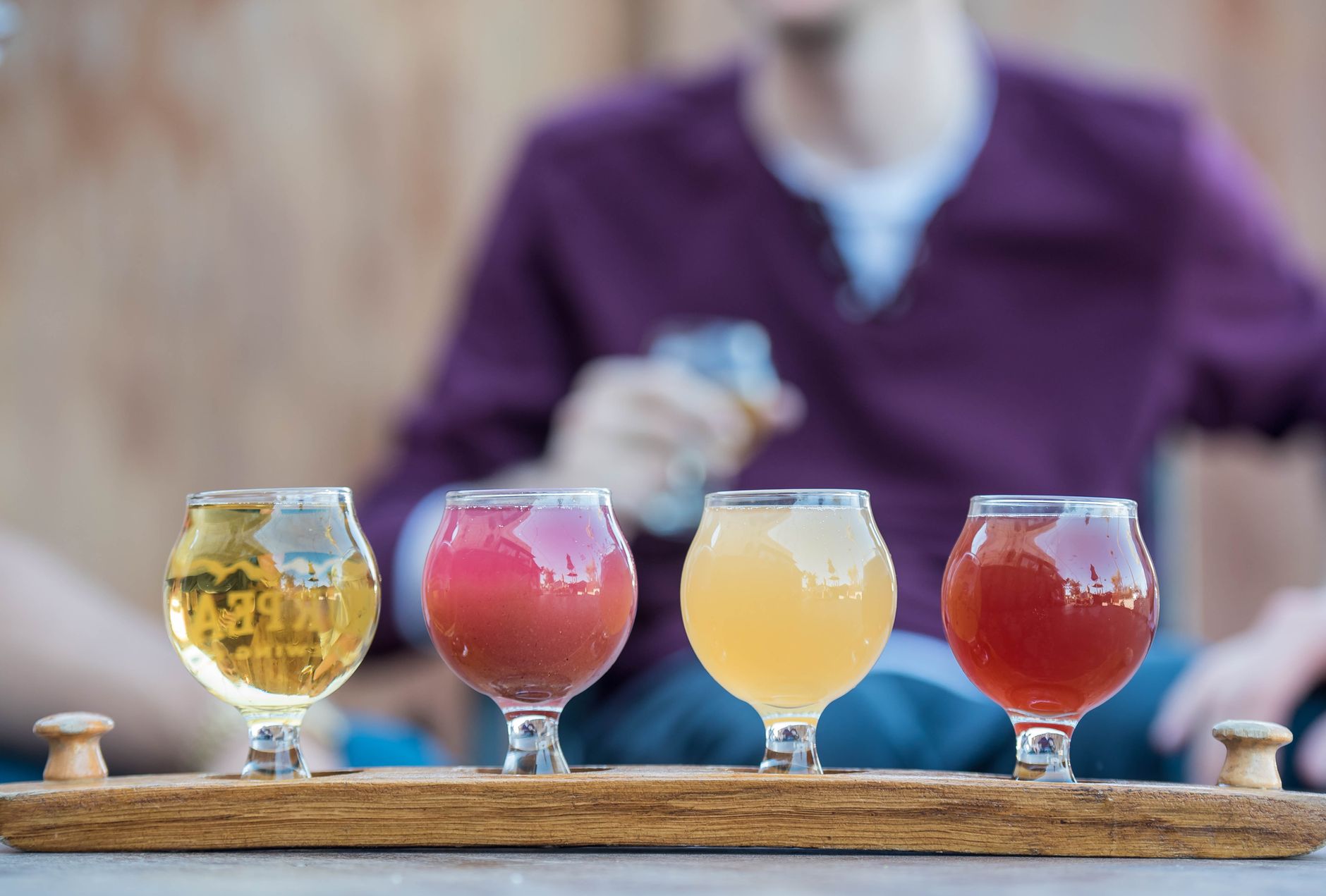

Wine flights are one of the more honest ways to drink. You get three or four small pours, usually tied to a theme, and you figure out what you actually like before spending real money on a full bottle. Pittsburgh's wine scene has caught up to that logic, with a cluster of bars, shops, and restaurants offering flights that go well beyond the predictable California cab rotation. Here's where to go.
Why flights beat a glass-by-glass approach
Ordering a single glass at a wine bar is fine. Ordering a flight is better for learning. The side-by-side comparison is what does the work: a Loire Valley chenin blanc next to an Austrian grüner veltliner next to a Georgian orange wine forces your palate to actually pay attention. You can't do that with one glass and a menu you're reading upside down.
Pittsburgh's best wine spots understand this. They build flights around a genuine idea, not just whatever they need to move that week. The best ones explain the through-line, whether it's a grape, a region, a production method, or a vintage comparison.
The spots worth sitting down at
Allegheny Wine Mixer, North Side
Allegheny Wine Mixer on the North Side has been offering rotating tastings for years, and the shop's curated approach makes it one of the best starting points for anyone trying to build a real palate. The staff builds flights around specific themes, and the selection leans toward small producers and regions that most Pittsburgh drinkers haven't encountered yet. Expect biodynamic bottles, growers from lesser-known corners of France and Italy, and the occasional Georgian amber wine that surprises everyone who tries it. The room is small. Go on a weeknight if you want the kind of conversation that actually teaches you something.
Natural wine bars: a category worth knowing
Pittsburgh's natural wine scene has expanded fast in the past few years. If you haven't explored it, natural wine bars in the city are the most reliable places to find flights built around low-intervention winemaking: minimal sulfites, native yeasts, no fining agents. The flavors run from bright and funky to savory and complex. Some drinkers find them polarizing at first. Most find them addictive after three pours.
The flight format is especially useful here because natural wines vary so dramatically bottle to bottle. A three-pour flight from a focused natural wine bar might cover a cloudy pét-nat from the Jura, a skin-contact vermentino from Sardinia, and a light-bodied gamay from the Beaujolais. None of those overlap. That's the point.
Bar Marco, Strip District
Bar Marco on Penn Avenue has one of the most thoughtfully assembled wine programs in the city. The restaurant rotates its by-the-glass list constantly, and the staff can almost always put together an informal tasting flight if you ask. The focus is on artisan producers, and the list skews toward European bottles with real terroir behind them. It's worth going early in the evening before the dining room fills up, when the bar staff has time to walk you through what's open.
Enrico Restaurant, Shadyside
For a more formal tasting experience, Enrico restaurant in Shadyside pairs its food with wines that reward attention. The restaurant doesn't run structured flights in the same way a tasting room would, but it does offer sommelier-guided pairing options that deliver the same educational payoff. If you're going with someone who takes food and wine together seriously, this is the room for it.
What to look for in a good flight
Not every flight is worth ordering. A few things separate the real ones from the filler.
- A stated theme. "Three whites" is not a theme. "Three expressions of riesling across Germany, Alsace, and Australia" is.
- Pour sizes that let you taste, not sip. Two ounces per pour is the floor. Less than that and you're not getting enough to form an actual opinion.
- Staff who can answer a question. You're going to have one. The good places expect it.
Price is worth noting too. Pittsburgh flights tend to run between $16 and $30 depending on the bottles involved. Anything below $14 usually means the wines are cheap. Anything above $35 should come with something genuinely rare in the lineup.
Pairing flights with food
A flight works better with something on the table. It doesn't have to be a full meal. A cheese plate, a charcuterie board, or even a well-chosen snack menu gives the wines something to work against. The contrast between a briny cheese and an acidic white, or a fatty salumi and a tannic red, is part of the tasting experience. Most of Pittsburgh's better wine spots know this and keep the food menu practical: a handful of plates designed to accompany exploration rather than replace dinner.
Pittsburgh's wine culture is quieter than its beer culture, and that's actually an advantage. The bars doing serious wine work aren't competing for the same crowd as the brewpub on every corner, so they've built their own thing. The flight format is where that effort shows most clearly. Three pours, a theme, and someone who knows the story behind each bottle. That's a good evening.