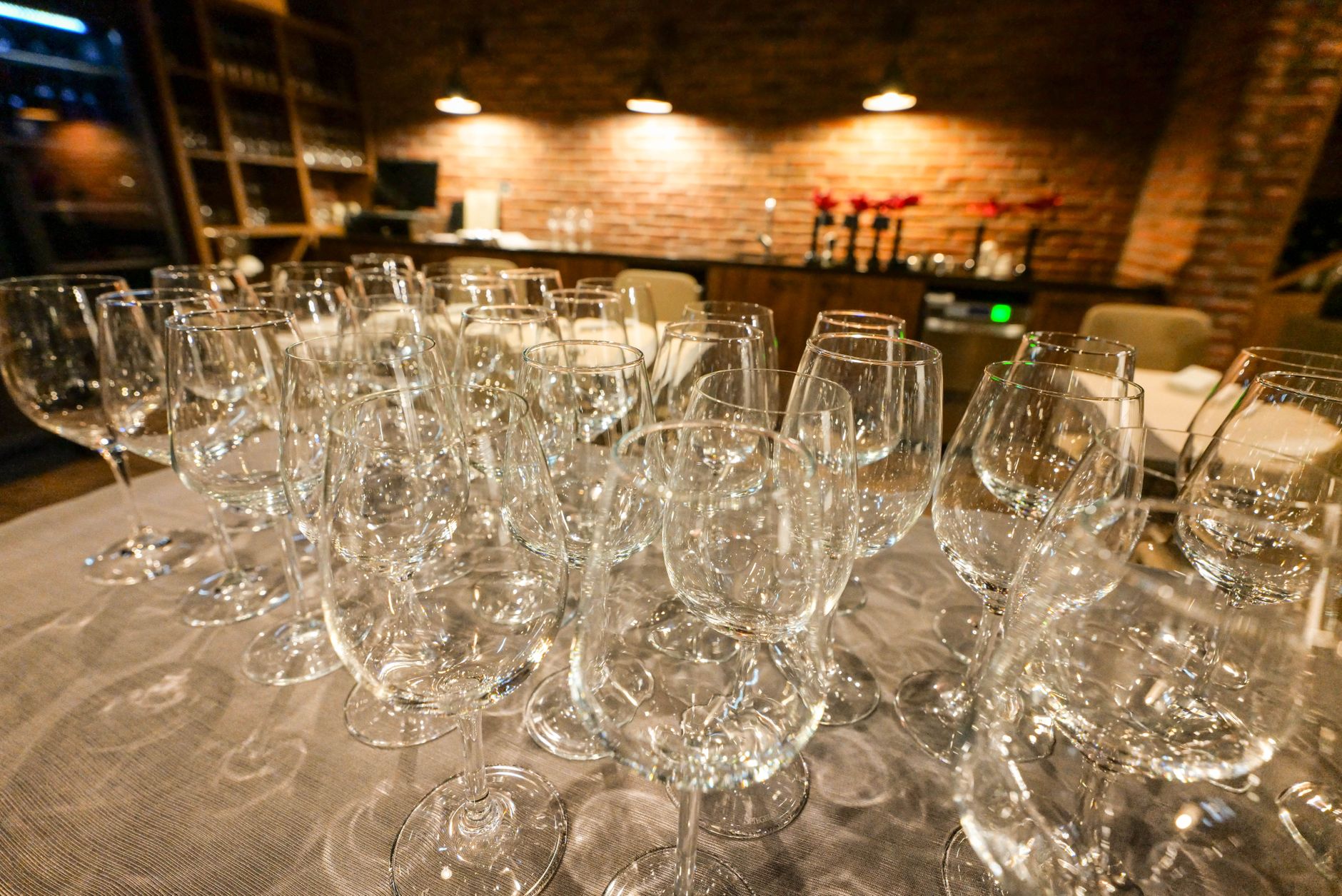

Natural wine has gone from niche curiosity to genuine category in Pittsburgh's bar and restaurant world over the past few years. The city isn't New York or Paris, but the spots that have committed to low-intervention, minimal-sulfite pours are doing it right. Whether you're already a convert or just wine-curious and tired of the same Malbec, Pittsburgh has enough options to keep you busy on a Friday night and then some.
What "natural wine" actually means
There's no official legal definition, which causes a lot of arguments online and at the bar. In practice, natural wine refers to bottles made with organically or biodynamically farmed grapes, fermented with native yeast rather than commercial yeast strains, and bottled with little to no added sulfites. The resulting wines tend to be funkier, cloudier, and more variable than conventional wines. Some taste like fresh peaches. Some taste like a barn. The best ones taste like a specific place.
Winemakers who work this way often produce small quantities. That means natural wine lists turn over fast, and the bottle you loved in June probably won't be there in September. Part of the draw is exactly that unpredictability.
The bars worth your time in Pittsburgh
Pittsburgh's best natural wine spots are scattered across the city, from the North Side to Squirrel Hill. None of them are destination restaurants built around the concept. Most are smaller places where the wine list is a point of personal pride for whoever is running the room.
Allegheny Wine Mixer on the North Side stocks one of the city's most consistently interesting shelves, and the staff there can actually explain why a pét-nat from the Jura is worth the $28. It's a retail shop, not a bar in the strict sense, but bottles-to-go and occasional in-store tastings make it a regular stop for the natural wine crowd. The selection rotates frequently enough that repeat visits reliably turn up something new.
Over in Lawrenceville, a few of the newer restaurants on Butler Street have quietly built wine lists that lean natural without announcing it loudly. That discretion is part of the appeal. You're not being asked to buy into a lifestyle. You're just being handed something interesting to drink with your dinner.
Downtown Lawrenceville has become Pittsburgh's most actively changing commercial corridor, and the food-and-drink scene there reflects that energy. Several spots that opened in the past three years have brought in buyers who are genuinely enthusiastic about grower Champagnes, skin-contact whites, and low-intervention reds from lesser-known appellations in France, Italy, and Georgia (the country). If you're exploring the neighborhood on foot, it's worth checking a few menus before sitting down.
What to order if you're new to this
Start with an orange wine. Orange wine is made from white grapes that have been fermented in contact with their skins, which gives the juice color, tannin, and complexity that white wine drinkers don't expect. A good orange wine from Slovenia or northeastern Italy is a clean entry point into the natural wine world, less funky than some pét-nats but more interesting than a conventional Chardonnay.
If you want red, ask for something from the Loire Valley or from Beaujolais. Gamay-based wines from producers like Marcel Lapierre or Jean Foillard (when you find them) are made with minimal intervention and drink young and joyfully. They're also usually priced fairly, which matters when you're trying something unfamiliar.
Pét-nat, short for pétillant naturel, is a lightly sparkling wine made by bottling before fermentation is complete. It's often the most affordable option on a natural wine list. It's also the one most likely to taste surprising, for better or worse. Order it cold, shake nothing, and pour carefully.
A note on glassware and storage
Natural wines are more sensitive to temperature than conventional wines. A bar that cares about its natural wine list will store reds cooler than you might expect and serve them in proper stemware. If you're picking up a bottle from a shop to drink at home, keep it in a cool, dark spot and drink it within a year or two of release. Most natural wines aren't built to age.
If you're also navigating dietary restrictions around what you drink, it's worth knowing that many natural wines are lower in histamines and added sulfites than conventional options. Our earlier look at gluten-free cocktails in Pittsburgh covers which base spirits are safe, and the same logic about reading labels applies to wine if you're sensitive to additives.
Building the habit
The best way to get into natural wine is to find one person at a shop or bar who knows what they're talking about and ask them what's new. Describe what you like, even if it's just "I usually drink Pinot Grigio" or "I want something weird." A good wine person can work with that.
Pittsburgh's natural wine community is small and genuinely enthusiastic. The shops that stock these bottles aren't doing it because it's profitable. They're doing it because they find it interesting, and that passion usually shows up in how they talk about the wine and how they take care of it. That's the kind of place worth returning to.
If you want to make a full afternoon out of it, pair a wine stop on the North Side with a walk through some of the mural-covered blocks of Lawrenceville before landing somewhere with a good list for dinner. Pittsburgh rewards this kind of loose, neighborhood-hopping itinerary more than most cities its size.
Where to keep an eye
The natural wine world moves fast. Shops that were focused on conventional wine a few years ago have started adding low-intervention sections. A few newer bars have opened with natural-leaning lists from day one. The category is growing in Pittsburgh the same way it has in other mid-size American cities: gradually, then all at once.
Follow the shops that carry these wines on social media if you want to know when a new delivery arrives. Most post their new bottles the day they land. That's usually the best way to catch limited-production bottles before they're gone, because with natural wine, the interesting ones rarely stick around long.