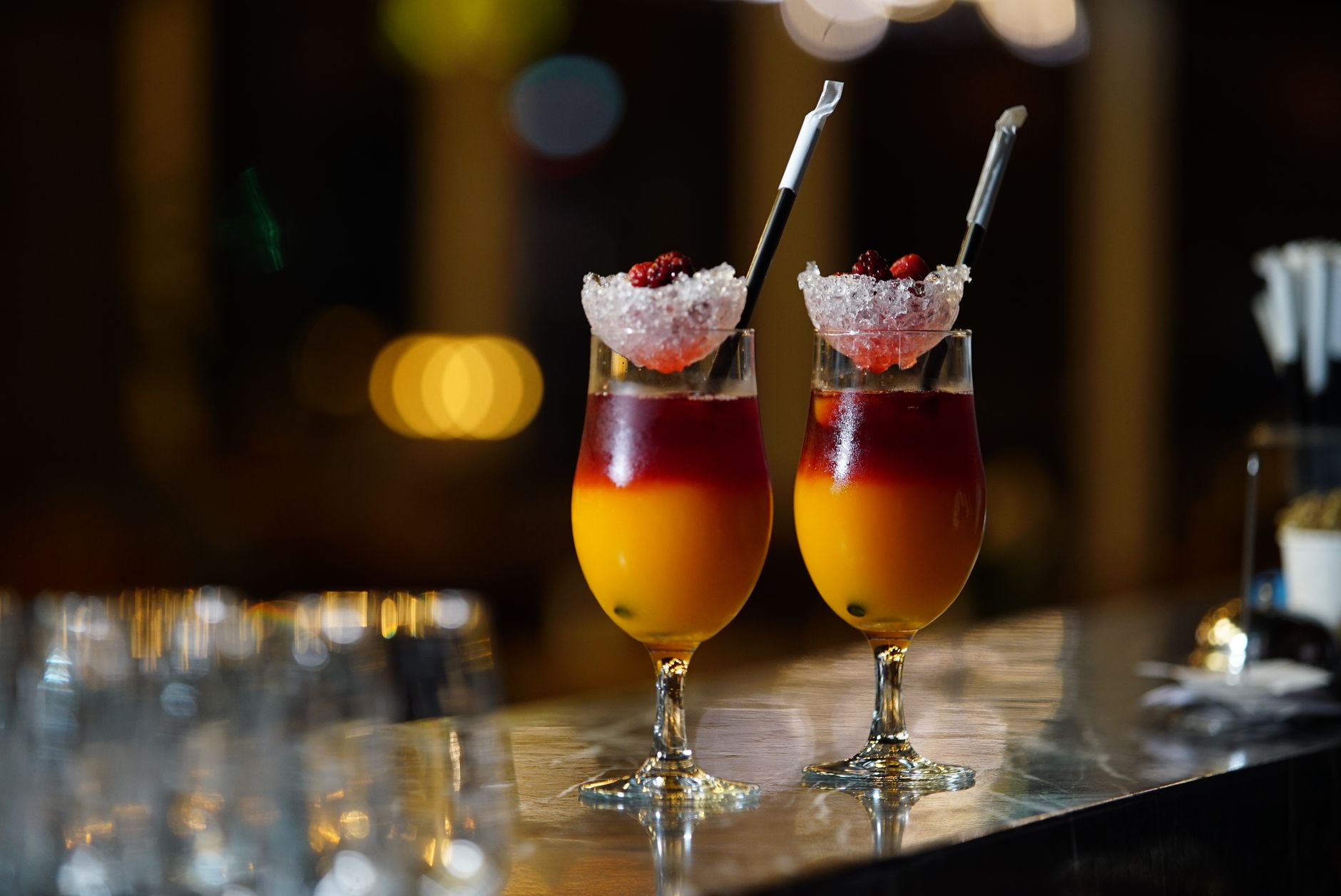

Gluten free cocktails are more available than most drinkers realize, and the confusion is mostly about spirits. People who avoid gluten often scan the food menu carefully and then order a drink without a second thought. That's usually fine, but not always. Certain base spirits, mixers, and beer-based cocktails can introduce gluten, and bartenders don't always know enough to flag it. Whether you're managing celiac disease or a gluten sensitivity, understanding what's in your glass matters.
Which spirits are naturally gluten free
The short answer: most distilled spirits are safe. The distillation process removes gluten proteins even from grain-based liquors, so a standard bourbon, rye, or wheat vodka won't trigger a celiac reaction in most people. That said, the Celiac Disease Foundation notes that some individuals with severe sensitivity still react to grain-based spirits, so your own experience matters here.
Spirits that are inherently gluten free include:
- Rum (made from sugarcane or molasses)
- Tequila and mezcal (made from agave)
- Wine-based spirits like Cognac, Armagnac, and Pisco
- Potato vodka (such as Chopin or Luksusowa)
- Aged and unaged rum from the Caribbean
Gin is trickier. Most gin starts from a grain base, and while distillation removes the proteins, some people prefer to stick with certified gluten free options. Hendrick's Gin is made from a neutral grain spirit, so distilled-safe drinkers are fine, but those who are especially cautious might choose a pot-still rum or tequila instead.
What to watch out for in mixers and garnishes
The base spirit is only part of the drink. Mixers are where gluten hides quietly. Premade sour mix often contains maltodextrin derived from wheat. Bloody Mary mixes can include soy sauce or Worcestershire sauce, both of which typically contain wheat. Beer cocktails, beer-can cocktails, and anything built on a beer float are obvious offenders. Shandy variations served at bars frequently arrive with no warning.
Flavored syrups are another risk point. House-made grenadine, spiced simple syrups, and commercial products like certain spiced liqueurs may use barley malt syrup as a sweetener. Ask specifically. A bartender who doesn't know the answer should be able to check.
Safe mixer territory is wide, though. Fresh citrus juice, simple syrup made from cane sugar, agave nectar, honey syrup, club soda, tonic water, and most 100% fruit juices are all reliably gluten free. Cocktails built around these ingredients are your safest ground.
Gluten free cocktails that actually work
Some of the best gluten free cocktails are also some of the most classic. A proper margarita, made with 100% agave tequila, fresh lime, and triple sec, is completely gluten free. A daiquiri built on white rum, lime, and simple syrup is clean, low-risk, and endlessly riffable. A Moscow Mule with potato vodka and ginger beer (check the label; most commercial ginger beers are gluten free) is another straightforward option.
Mezcal negronis are worth seeking out. Replace the gin with a smoky mezcal, keep the Campari and sweet vermouth (both gluten free), and you have a drink that's both safe and genuinely interesting. Pittsburgh's more ambitious bars have been building mezcal-forward cocktail lists over the past couple of years, and that trend makes navigating gluten free orders easier.
For something lighter, a paloma built with blanco tequila, fresh grapefruit juice, and a splash of lime over soda is hard to beat. It's naturally gluten free, lower in sugar than most cocktails, and works for outdoor drinking in a way that heavier spirit-forward drinks don't.
Where Pittsburgh bars are doing this well
Pittsburgh's food and drink scene has developed a stronger allergy-aware sensibility in recent years. The city's independent cocktail bars, particularly in Lawrenceville and Shadyside, tend to use fresh juice and house-made syrups rather than premade mixes, which cuts the most common risk factors automatically. country bar scenes across South Side have also shifted toward spirits-forward drink programs that leave room for genuinely gluten free builds.
When you sit down at any Pittsburgh bar, the most reliable move is to lead with your constraint and then ask what the bartender recommends. Most will steer you toward tequila or rum-based drinks without missing a beat. If the bar has a mezcal program, you're in good hands. Enrico restaurant, known for its careful attention to the full dining experience, is a good example of the kind of Pittsburgh venue where a gluten-conscious drinker can trust the staff to take the question seriously.
If you're ordering wine instead of a cocktail, Allegheny Wine Mixer on the North Side is worth knowing. The shop's staff is knowledgeable and happy to talk through selections, which makes it a useful resource if you want to bring something to a dinner where gluten free options are important.
A few practical rules for ordering out
Ask for drinks made with 100% agave tequila or mezcal, potato vodka, rum, or Cognac. Request fresh citrus instead of premade sour mix. Skip beer-based cocktails entirely. Check that any flavored liqueur in the drink, like amaretto or spiced rum, doesn't list barley malt on the label. When in doubt, a simple spirit over ice with a citrus wedge is always safe.
Gluten free cocktailing isn't restrictive once you know the terrain. Most of the best drinks on any cocktail menu can be made safely. The key is knowing which questions to ask before the glass arrives.