
Community-supported agriculture (CSA) shares are well understood in Pittsburgh by now. Most residents have at least heard of the summer model: pay a farm upfront in spring, pick up a box of vegetables each week through the growing season, and eat well from June through September. What fewer people realize is that the winter CSA has become a genuine option in the Pittsburgh region, and in some ways it's a better fit for the city's eating habits than the summer version.
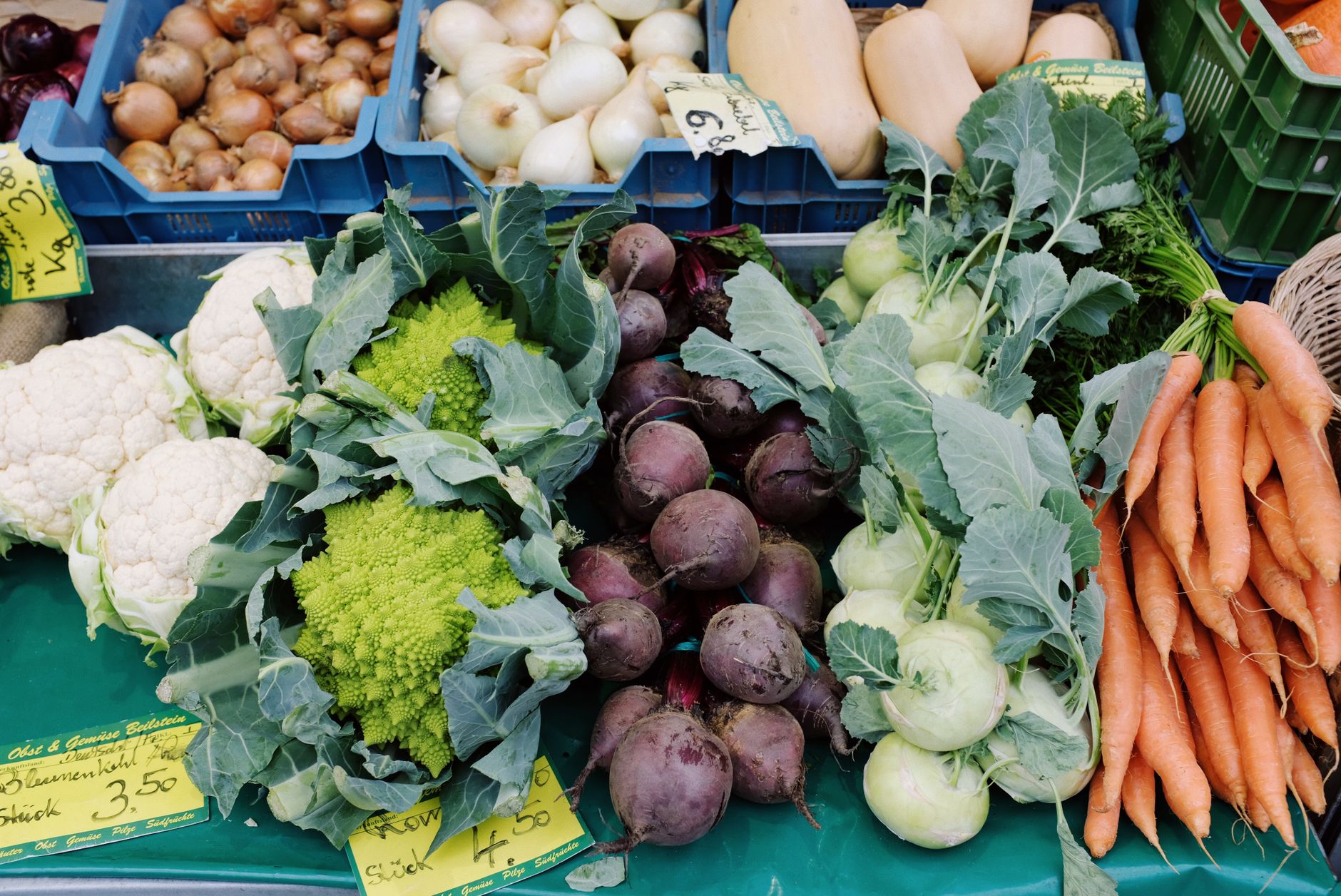
Winter shares run roughly from November through March, depending on the farm. They're typically biweekly rather than weekly, which suits households that can't commit to cooking through a full box every seven days. The contents skew toward storage crops: potatoes, sweet potatoes, winter squash, carrots, beets, celeriac, turnips, dried beans, and cured garlic. Some farms supplement with greenhouse greens. A few include eggs, cured meats, or preserved items. It's a different way of eating than summer abundance demands, but it's an honest one.
Why Pittsburgh winters are better for local eating than you'd think
Pittsburgh's climate is cold and gray, but it's well-suited to root vegetable storage. Farms in the surrounding counties, particularly in Butler, Westmoreland, and Washington counties, have long-established root cellars and cold storage systems that make winter distribution possible without sacrificing quality. A well-stored carrot pulled from cold storage in January can be better than a carrot trucked in from California in the same month. It's denser, sweeter, and actually tastes like something.
The city's density also helps. Pittsburgh CSA pickup sites tend to concentrate in Squirrel Hill, Lawrenceville, Bloomfield, and the North Side, meaning most participants can reach their pickup without driving. Some farms partner with community organizations or churches as drop points, which keeps overhead low and keeps the shares affordable.
If you've visited Pittsburgh's farmers markets during summer and wondered where those vendors go in winter, the answer is often: into their root cellars, and into winter CSA programs.
What to look for when choosing a winter CSA share
Not all winter CSA programs are built the same. Before signing up, it's worth asking a few direct questions.
- Pickup frequency and location. Biweekly is standard. Confirm the pickup site is realistic for your schedule, especially in January when the motivation to drive across town in the cold is low.
- Share size. Half shares exist and are often the smarter choice for households of one or two people. A full share of storage vegetables lasts longer than summer produce, but it can still pile up.
- What's actually in it. Ask for a sample share list from last season. Farms that can produce one tend to be more organized and more transparent.
- Supplements and add-ons. Some farms offer egg add-ons, meat shares, or preserved goods. These can turn a winter CSA into something close to a full weekly food program.
Payment is almost always required upfront, which is the point. The farm uses your commitment to fund its winter operations. That's the deal, and it's a fair one if the farm is reputable.
Farms serving Pittsburgh with winter shares
Several farms within an hour of Pittsburgh have offered winter CSA programs in recent years. Kretschmann Farm in Rochester, Pennsylvania has run one of the region's most established winter programs, with biweekly shares running through the colder months. Kretschmann Farm has operated as a certified organic farm since the 1970s and is one of the most trusted names in Allegheny County's local food network. Marburger Farm Dairy in Evans City offers dairy and egg add-on options that pair well with vegetable-focused winter shares from partner farms.
Clarion River Organics, a cooperative of small farms in western Pennsylvania, has also offered winter distribution in Pittsburgh in past seasons, though program availability shifts year to year. It's worth checking their status directly before assuming a program is running.
For the most current list of winter programs actively accepting signups, the Buy Fresh Buy Local Western PA directory is the most reliable regional resource. It lists farms by county and notes which ones offer CSA programs, including winter options where available.
How to make the most of a winter share
Winter CSA members who struggle tend to underestimate how differently these vegetables need to be cooked. Storage crops reward slow heat. Roasting, braising, and long soups are the methods that make celeriac, turnips, and parsnips actually good. If you're trying to sauté a turnip like a summer zucchini, you'll be disappointed. That's a technique problem, not a vegetable problem.
A few habits make winter shares work. Store root vegetables in a cool, dark spot in your kitchen or pantry, not in the refrigerator, which is too cold for potatoes and too dry for beets. Rotate through the harder squashes first, since they have the longest shelf life of anything in a typical winter share and are often left until they go soft. Make a pot of stock every two weeks using whatever vegetable scraps have accumulated, and you'll build a habit that uses the whole share rather than letting greens wilt in a drawer.
Pittsburgh's food culture, especially in neighborhoods like Bloomfield and the Strip District, has always leaned toward hearty, honest cooking. Winter CSA eating fits that sensibility well. It forces a kind of intentionality that summer abundance doesn't require.
The neighborhoods with the most active local food culture also tend to have the most accessible pickup sites. If you've been exploring Pittsburgh's adaptive reuse projects, you may have already noticed that several converted community spaces now double as CSA pickup points during winter months, a quiet but practical use of the city's evolving built environment.
The case for committing before the season starts
Winter CSA signups typically open in September and October. Programs that fill up tend to do so quickly because they cap enrollment based on actual production capacity. Unlike a farmers market, where you can show up whenever, a CSA is a relationship with a fixed number of spots. If you're serious about trying one this winter, the time to act is now, before the first frost closes the window on available shares.
The upfront cost runs roughly $300 to $500 for a half share over a full winter season, which works out to $25 to $40 per biweekly pickup. Compared to grocery store produce of equivalent quality in January, that's not expensive. Compared to the cost of ignoring local food systems until May, it's a decision you'll probably not regret.