
Utilities in Pittsburgh don't consolidate neatly into one account or one call. The city uses separate providers for electricity, gas, water, and sewer, and a handful of those relationships overlap depending on which neighborhood you land in. If you're moving to Pittsburgh and assume setup works the same way it did in your last city, you'll likely arrive to at least one cold shower or dark room. Here's how to get it right.
The providers you'll actually deal with
Pittsburgh sits in a deregulated electricity market, which means you choose your electric supplier but pay a local distribution company to deliver the power. Duquesne Light handles distribution for most of the city and inner suburbs. You must set up a Duquesne Light account regardless of which electricity supplier you pick. Call them or register online at least five business days before your move-in date. The process takes about 15 minutes.
For natural gas, most Pittsburgh residents use Peoples Natural Gas. Peoples serves the city proper and much of Allegheny County. If you're moving to the South Hills or certain North Hills suburbs, check whether your address falls under Equitable Gas territory instead. The two companies share overlapping service maps that are not always obvious from a street address alone. Peoples lets you start service online; Equitable requires a phone call to schedule activation.
Water and sewer billing comes from the Pittsburgh Water and Sewer Authority (PWSA) for city addresses, and from Allegheny County Sanitary Authority (ALCOSAN) for the sewer portion. In practice, you get one PWSA bill that bundles both. Landlords in Pittsburgh's denser rental corridors, including Lawrenceville, South Side, and Bloomfield, often include water in the rent. Confirm this with your landlord before calling PWSA to avoid setting up a duplicate account.
The right order of operations
Start with Duquesne Light and Peoples Natural Gas two weeks out from your move date, not two days. Activation windows during the first and last days of the month back up badly, because that's when most Pittsburgh leases turn over. Booking early protects you.
After confirming electricity and gas, call PWSA only if your lease explicitly puts water in your name. Ask your property manager directly. If they hesitate or give a vague answer, ask to see the utility responsibility clause in your lease. Most Pittsburgh apartment leases list this in section two or three of the standard document.
Internet is the fourth piece. Comcast Xfinity holds the cable franchise for Pittsburgh. Verizon Fios doesn't serve the city. A small number of neighborhoods have access to fiber through Google Fiber or smaller independent providers, but coverage is patchy. Budget two to three weeks for Comcast installation scheduling, especially in older buildings where the technician needs interior access. Don't assume the prior tenant's service will transfer to you automatically. It won't.
What surprises people most
Pittsburgh's housing stock skews old. A significant share of the city's rental units were built before 1950, which means knob-and-tube wiring, gas radiator heat, and single-pane windows are common in otherwise desirable neighborhoods. This affects your utility costs more than the provider you pick. A first-floor Bloomfield apartment with original windows will cost more to heat in January than a newer unit in East Liberty, even if both use Peoples Gas.
Another frequent source of confusion: the electricity supplier vs. distributor split. Duquesne Light distributes power. You can also choose a competitive supplier through Pennsylvania's PAPowerSwitch.com portal, which lists licensed suppliers and their rates. Switching suppliers changes the generation charge on your bill but not the delivery charge. Many Pittsburgh renters find the default utility generation rate from Duquesne Light competitive enough that switching isn't worth the paperwork. Compare rates before signing anything.
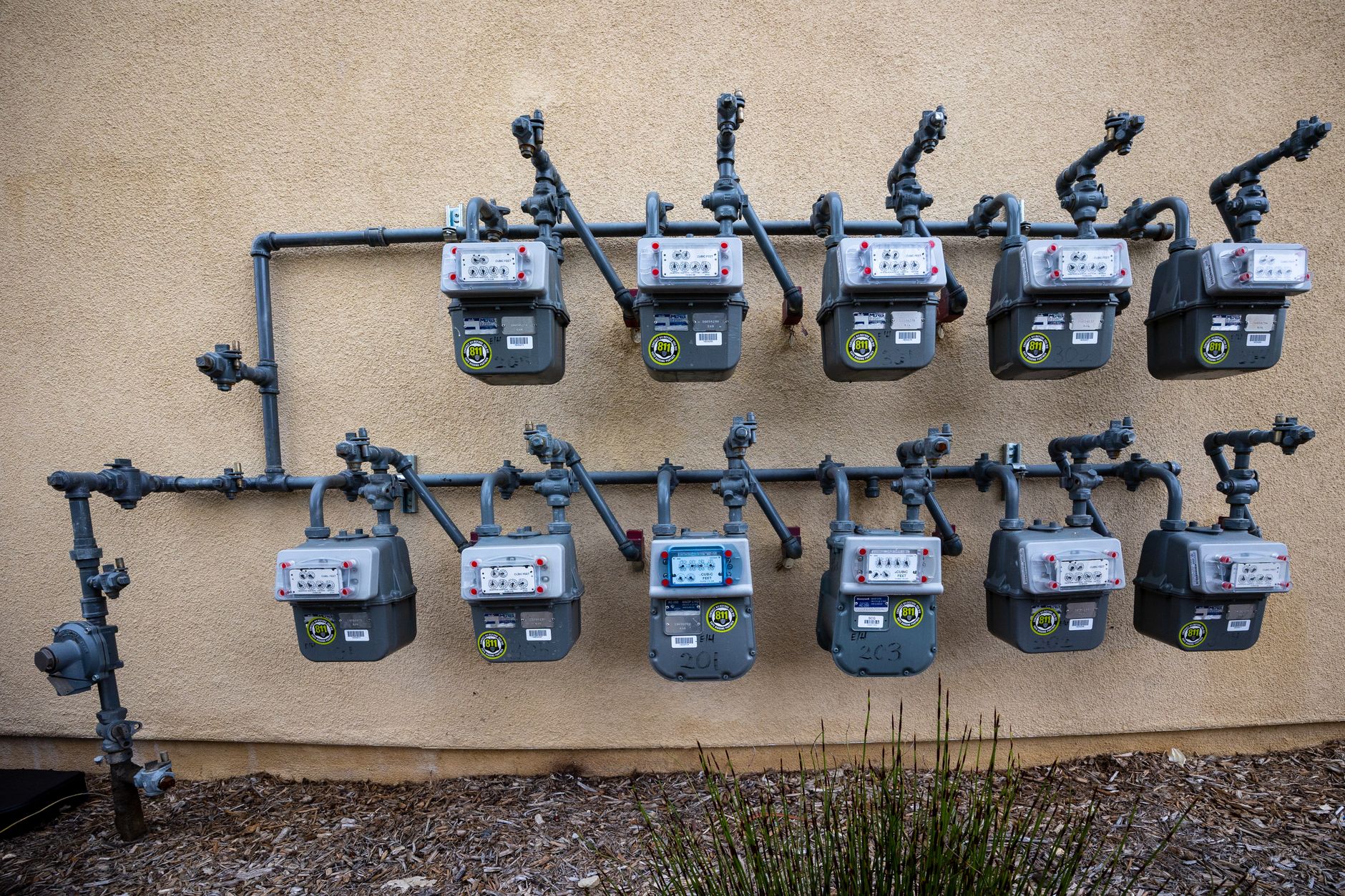
If you're in a rowhouse or attached unit, ask specifically whether the gas meter serves only your unit. Shared meters in older converted buildings create billing disputes that are genuinely difficult to resolve once they start.
Budgeting for Pittsburgh utility costs
Winter bills hit hard. Pittsburgh averages around 45 heating days above what most newcomers from Southern or West Coast cities are used to. A drafty two-bedroom in Polish Hill can run $200 to $280 per month in gas alone from December through February. A newer or better-insulated unit in the same neighborhood might run half that. Ask your landlord or the previous tenant for a 12-month history of utility bills. Peoples Natural Gas will provide average usage data for an address on request.
Electric bills run lower than the national average in summer because Pittsburgh's humidity, while real, doesn't push air conditioning loads the way comparable Midwestern cities do. Expect $60 to $110 per month for a typical one-bedroom in summer, higher if your unit has electric heat rather than gas.
If you're still working out the financial picture of your move, the breakdown in what it actually costs to live in Pittsburgh covers rent and total monthly expenses in detail. And if you're still deciding between neighborhoods, the factors in the Pittsburgh neighborhood quiz include housing stock age and walkability, both of which affect utility costs indirectly.
Renter protections worth knowing
Pennsylvania law requires landlords to disclose utility responsibility before a lease is signed. If a utility is listed as tenant-paid, the landlord cannot legally include it in rent without written agreement. PWSA offers a low-income assistance program called PENNVEST that can reduce water bills for qualifying households. Peoples Natural Gas participates in the Low Income Home Energy Assistance Program (LIHEAP), which opens for applications each fall. Applications for the 2026-2027 heating season typically open in November. If your income qualifies, the credit can reach several hundred dollars toward your winter bills.
Setting up utilities in Pittsburgh takes more coordination than in cities with consolidated service providers, but none of the individual steps are difficult. The problems come from waiting too long, skipping the landlord conversation about water, or assuming internet installs happen quickly. Start two weeks early, get every responsibility in writing, and you'll move in with the lights on.