
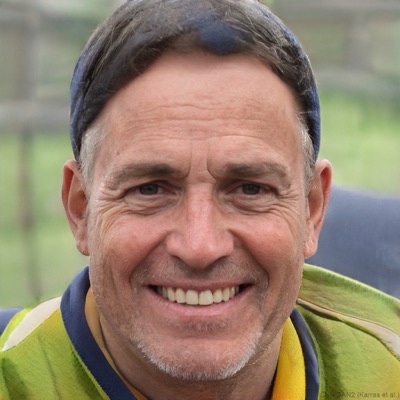
Lourdes Sanchez is a flamenco dancer, choreographer, and educator based in Pittsburgh whose work has placed the city on the national map for Spanish dance. For anyone who has watched her perform at the Kelly Strayhorn Theater or studied at her school, the Flamenco Pittsburgh studio, the dedication is unmistakable. Sanchez has spent more than two decades building something rare: a sustainable, artistically rigorous flamenco community in a mid-size American city that most people would not associate with the form.
Who Lourdes Sanchez is
Sanchez trained in Spain, studying under masters of the Seville tradition before returning to the United States to develop her own voice as a performer and teacher. She founded Flamenco Pittsburgh, the company and school that now serves as the anchor of the city's Spanish dance scene. Her work spans concert-length choreography, community outreach, and intensive training for students at every level, from beginners to pre-professional dancers who go on to perform nationally.
Pittsburgh gave Sanchez something she couldn't find in larger cities: space to build. The cost of operating a studio and a company here is manageable in a way that New York or Los Angeles simply isn't. That practical reality shaped the institution she created.
What Flamenco Pittsburgh does
Flamenco Pittsburgh operates as both a performing company and a school. The company produces full productions featuring live musicians, including guitarists and cantaores (singers), which is a standard of authenticity that many American flamenco companies cut for budget reasons. Sanchez doesn't. The school runs weekly classes for children and adults, and hosts an annual summer intensive that draws students from outside Pennsylvania.
The Kelly Strayhorn Theater in East Liberty has been a recurring home for Flamenco Pittsburgh productions, and the partnership reflects how the company fits into Pittsburgh's broader performing arts fabric. Sanchez has also collaborated with the Pittsburgh Cultural Trust and brought flamenco into school programming across Allegheny County, making the form accessible to students who'd never encounter it otherwise.
Pittsburgh's arts community runs deeper than most visitors expect. You can find that depth across Pittsburgh art galleries that stretch from Oakland to Lawrenceville, and in the kind of sustained creative practices that Sanchez embodies: not a residency or a pop-up, but an institution built year over year.
Why flamenco took root here
It's worth asking why Pittsburgh, specifically. Flamenco is a demanding form, technically and culturally. It requires live accompaniment, significant training time, and an audience willing to engage with something unfamiliar. Pittsburgh has all three.
The city's arts infrastructure is stronger than its size suggests. Carnegie Mellon University and the University of Pittsburgh produce graduates who stay, building creative practices here rather than leaving. The neighborhoods that have seen recent investment, places like Lawrenceville and East Liberty, have also become home to audiences who show up for serious work. Sanchez built into that culture.
She's also benefited from Pittsburgh's habit of supporting artists who commit to the city. The same quality that draws people to Caroline Gerdes's rooted creative practice applies here: Pittsburgh rewards longevity. Artists who stay and build tend to find an audience that grows with them.
Recognition and influence
Sanchez has received support from the National Endowment for the Arts, a grant that signals national-level recognition of her company's artistic merit. Flamenco Pittsburgh has been reviewed in dance publications and presented at venues beyond Pennsylvania. Her students have gone on to perform with companies in New York and Spain, a concrete measure of the training quality she delivers.
She's not just preserving a form. Sanchez choreographs original work that responds to her own experience, including pieces that engage with themes of identity, memory, and the immigrant experience. The work is rooted in tradition and genuinely contemporary. That combination is difficult to pull off, and it's what separates a practitioner from an artist.
Where to find Flamenco Pittsburgh
Flamenco Pittsburgh holds classes in its Pittsburgh studio and performs at venues across the city. The company's season typically includes at least one major production and several community performances. For anyone new to flamenco, a Flamenco Pittsburgh show is the right first encounter: live guitar, real footwork, no apologies for the form's intensity.
If you're planning a day that takes in Pittsburgh's performing and visual arts, the local's guide to what to do in Pittsburgh today is a practical starting point for building that itinerary around what's actually happening in the city.
Sanchez has built something durable. Flamenco Pittsburgh runs classes this week, the same as last year and the year before. That continuity is the point.