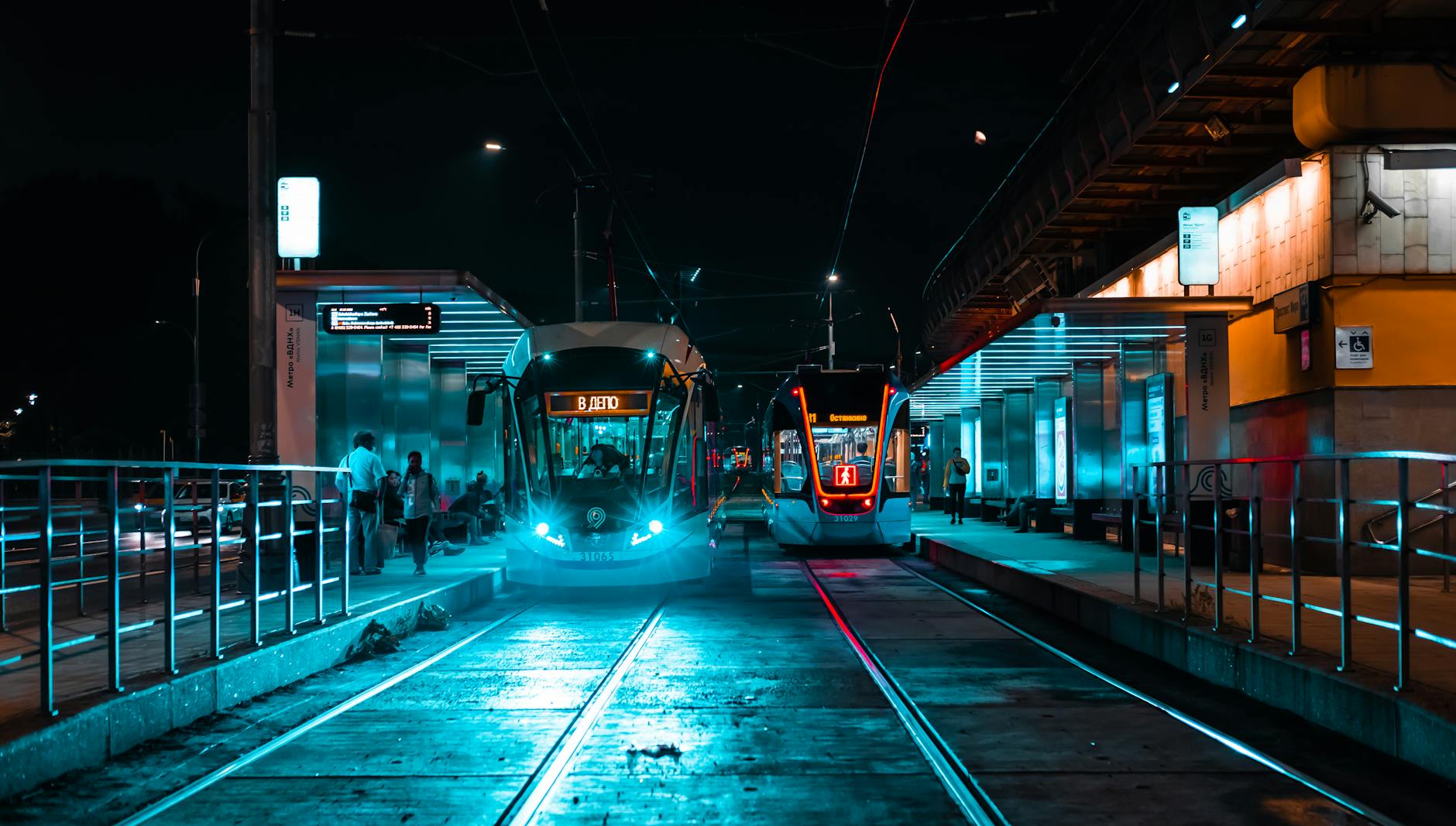

Pittsburgh's light rail network, the "T," connects Downtown to the South Hills through a tunnel and a handful of surface stops, and it hasn't added meaningful mileage in over 30 years. For a city that talks constantly about transit, density, and climate, that gap between ambition and infrastructure is hard to ignore. A fresh round of proposals, studies, and advocacy is now forcing the conversation into the open.
What the T actually covers today
The T runs about 26 miles total, serving Downtown, the South Hills suburbs of Mt. Lebanon, Bethel Park, and Castle Shannon, plus the North Shore stadiums via a short connector. Pittsburgh Regional Transit operates the system, and ridership has been recovering since the pandemic years. But the route map looks almost identical to what opened in the early 1980s.
That means Oakland, Hazelwood, East Liberty, Lawrenceville, and the North Side all sit outside light rail reach. These are exactly the neighborhoods that have added residents, jobs, and institutions over the past decade. The mismatch isn't subtle. Understanding how the PAT system actually works makes clear how heavily the entire network leans on buses to fill the gaps the T doesn't cover.
The Oakland corridor: the proposal that keeps coming back
An Oakland light rail extension has appeared in regional planning documents repeatedly since the 1990s. The logic is straightforward: Oakland is Pittsburgh's second-largest employment center, home to UPMC, University of Pittsburgh, and Carnegie Mellon University. It generates tens of thousands of daily trips. A rail link from Downtown through the Uptown corridor and into Oakland would serve more riders per mile than almost any other route the city could build.
The Southwestern Pennsylvania Commission, the region's metropolitan planning organization, has included an Oakland connector in long-range transportation plans for years. The sticking point is cost. Running rail through the Uptown corridor means tunneling under or navigating around existing infrastructure. Engineering estimates have ranged widely, but no version of the project comes in cheap. Federal capital funding through programs like the Capital Investment Grants program would be essential, and competition for those dollars is intense.
Uptown itself sits directly in the path of this proposed corridor. The neighborhood's ongoing redevelopment makes the rail question more urgent. Pittsburgh's Uptown corridor has already attracted significant investment around its planned role as a transit spine, meaning the absence of actual rail is increasingly conspicuous.
The North Shore gap and the Hazelwood question
The North Shore connector, built in 2012 for roughly $523 million and less than 1.2 miles of track, stands as a cautionary tale about cost-per-mile in Pittsburgh's topography. Critics called it the most expensive rail project per mile in American history at the time. Supporters argued it anchored stadium-area development. Both things are largely true.
That experience shapes how planners and advocates now approach expansion. Hazelwood, which sits along the Monongahela and adjacent to the Hazelwood Green redevelopment site, has drawn renewed attention as a potential light rail destination. A connection from the existing South Hills lines across the river is theoretically possible, but it requires a new bridge crossing, which pushes the cost into territory that makes federal reviewers nervous.
What Bus Rapid Transit means for rail's chances
Pittsburgh Regional Transit has moved more aggressively on Bus Rapid Transit as a near-term alternative to rail expansion. The East Busway already functions as a de facto rapid transit corridor, and studies have examined extending BRT-style service to neighborhoods that rail can't reach quickly or cheaply. This isn't necessarily an either-or choice, but in a resource-constrained environment it often becomes one.
Advocates for light rail expansion argue that BRT, while useful, doesn't generate the same development response as fixed rail. Developers and businesses respond differently to a station on a map that won't move versus a bus route that can be rerouted in a budget cycle. That argument has real evidence behind it nationally, and it's the core of the case for rail in corridors like Oakland and Hazelwood.
Funding, politics, and the federal picture
Federal transit funding has shifted significantly over the past several years. The Infrastructure Investment and Jobs Act of 2021 allocated substantial resources to transit capital projects, and Pittsburgh Regional Transit has pursued grants for fleet electrification and station upgrades. Full light rail expansion, though, requires a separate and more competitive federal process.
Pennsylvania's state transportation funding picture adds another layer. The commonwealth funds transit operating costs through a formula tied partly to fares and partly to population, but capital expansion requires separate legislative action. Allegheny County's own budget capacity is limited. That means any serious expansion proposal needs a coalition: the city, the county, the state, and federal partners all aligned behind the same project at the same time. That alignment hasn't happened yet for any specific Pittsburgh light rail route.
What advocates are actually asking for
The most organized push right now centers on completing an environmental impact study for the Oakland corridor. An EIS is a prerequisite for any federal capital grant, and completing one doesn't obligate anyone to build anything. It does create a project record that can anchor future funding applications. Advocates point out that cities like Denver and Phoenix advanced rail expansions precisely because they had completed planning work ready when federal funding windows opened.
Pittsburgh hasn't reached that point yet on any expansion corridor. The planning is fragmented, the political will is episodic, and the cost estimates keep arriving at uncomfortable numbers. None of that makes expansion impossible. It makes it slow, which in infrastructure terms means a decade or more from serious proposal to first passenger.
For now, the T runs the same routes it ran when Pittsburgh's economy looked entirely different. The city has changed. The transit map hasn't caught up.