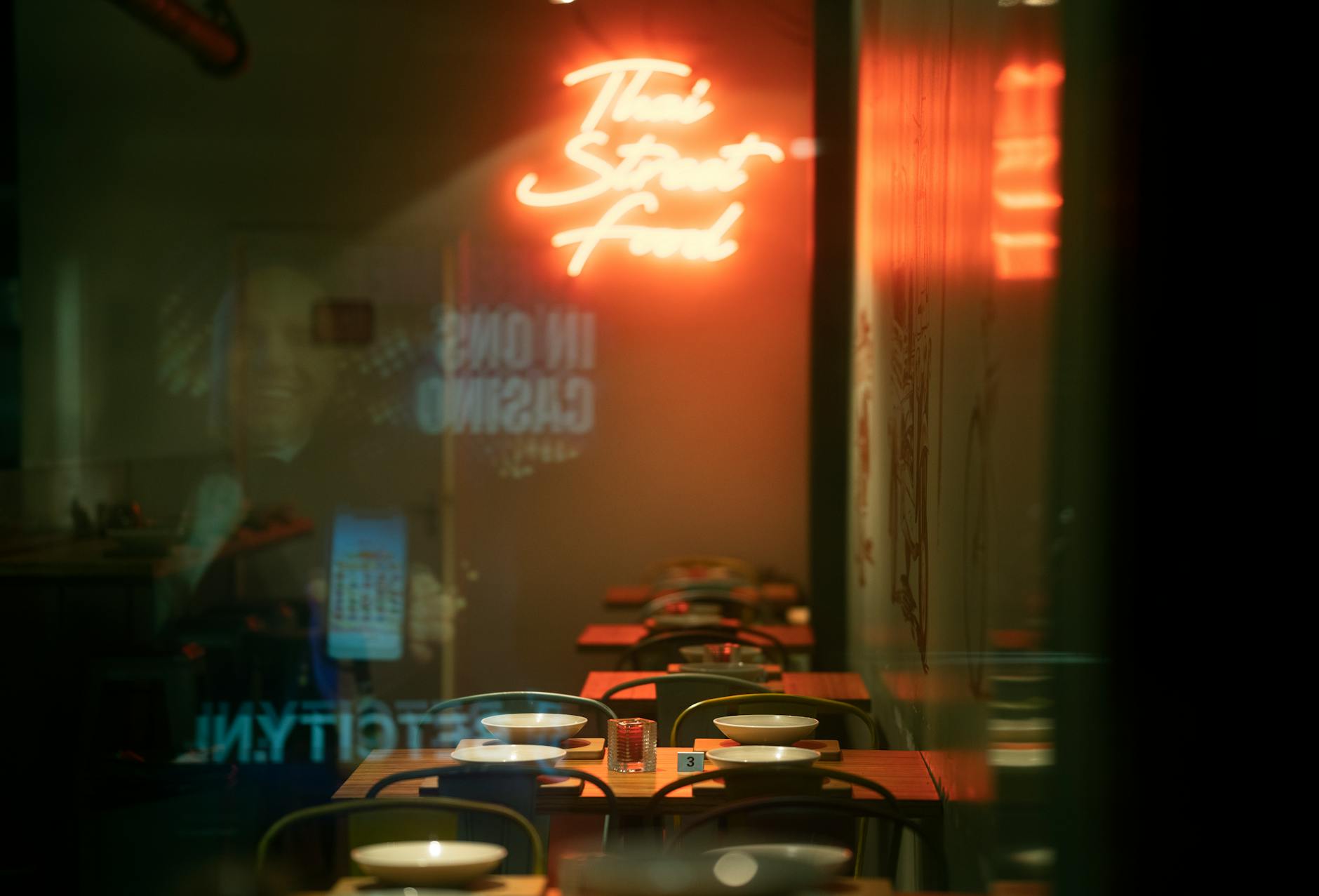

Pusadee's Garden is the kind of restaurant Pittsburgh talks about before visitors arrive and after they leave. Tucked into a converted rowhouse on Butler Street in Lawrenceville, it has spent more than a decade building a reputation that extends well past Allegheny County: a James Beard Award semifinalist, a regular on national best-restaurant lists, and the personal project of founder Pusadee Tongchan, who has cooked the same kind of food her whole life and refused to simplify it for anyone. The result is one of the finest Thai restaurants in the eastern United States, and it happens to be in Pittsburgh.
Who Pusadee Tongchan is
Pusadee Tongchan grew up in Thailand and spent years working in kitchens before opening her own space in Pittsburgh. She and her husband, Jon Tongchan, launched Pusadee's Garden in 2010, and the concept was clear from the start: Thai cooking done with the same care and sourcing standards applied in the best European restaurants, not adapted for an assumed American palate. Pusadee Tongchan cooks what she knows, and what she knows is extraordinarily precise.
That conviction has defined every version of the restaurant. Pusadee's Garden spent its early years earning a devoted local following. It spent the decade after that earning national attention. The James Beard semifinalist nods confirmed what Butler Street regulars already understood: this is a kitchen operating at a different level.
What makes the food distinct
The menu at Pusadee's Garden draws from central and northern Thai traditions, with dishes that rely on herb pastes ground to order, proteins sourced with real attention, and heat levels that reflect the actual cooking rather than a guest-services compromise. The curries carry depth that comes from time. The larb is properly sour and funky. The soups balance lemongrass and galangal in ratios that read as calibrated rather than approximate.
The restaurant changes its menu seasonally, which matters because many of the ingredients come from local farms. Pusadee Tongchan has maintained sourcing relationships with regional growers since the early days, long before farm-to-table became a marketing phrase. The herbs in the dishes are often grown specifically for the kitchen. That specificity shows up on the plate.
The cocktail and wine program is thoughtful rather than decorative. The team selects bottles that actually work with fish sauce and chili heat, which is a harder pairing problem than most diners recognize. The natural wine bars in Pittsburgh have helped build a local audience that appreciates lower-intervention bottles, and Pusadee's Garden has long been a destination for drinkers who want their glass to match the food rather than compete with it.
The space itself
The dining room is small, which is part of the point. Pusadee's Garden seats fewer than 50 people in a setting that feels genuinely personal: low lighting, close tables, a garden patio that fills up on warm evenings and gives the restaurant its name. There are plants everywhere. The atmosphere is neither casual nor stiff. It reads as a place where someone cares about every element, which is accurate.
Reservations are essential and fill fast. Walk-ins occasionally work on weeknights early in service, but counting on that is a mistake. The bar area offers limited seating for guests without reservations, and the cocktails alone justify stopping in. Butler Street is now one of Pittsburgh's most restaurant-dense corridors, making Lawrenceville a natural base for a full evening of eating before or after a table at Pusadee's.
Why it matters to Pittsburgh's food scene
Pittsburgh's restaurant culture has changed significantly over the past fifteen years, and Pusadee's Garden is part of why. The restaurant proved early that the city's diners would support ambitious, uncompromising cooking from a non-European tradition. That proof has made it easier for other founders to open serious restaurants without softening their cooking for a perceived lowest common denominator.
Khamla Singsith, whose own work redefining Lao food in Pittsburgh has drawn similar national attention, represents a parallel track: immigrant founders bringing their own culinary heritage to Pittsburgh on their own terms. These restaurants don't just feed people. They shift what the city expects from its dining scene.
Pusadee's Garden also demonstrates something specific about Lawrenceville's role in Pittsburgh's food ecosystem. Butler Street has become the city's most interesting restaurant corridor precisely because it has attracted founders willing to build something personal rather than something safe. Pusadee Tongchan was among the earliest to take that bet on the block, and the neighborhood built around her.
Planning your visit
Pusadee's Garden is open for dinner Wednesday through Sunday. Reservations are made through the restaurant's official site and book out weeks in advance during busy seasons. The tasting menu, when offered, is the fullest expression of what Tongchan's kitchen does. Ordering from the regular menu works just as well if you let the specials guide you and trust the server's read on what's best that evening.
Parking on Butler Street is tight. The 54C bus stops nearby, and street parking a few blocks east opens up. Plan for a two-hour meal at minimum. The kitchen doesn't rush, and neither should you.