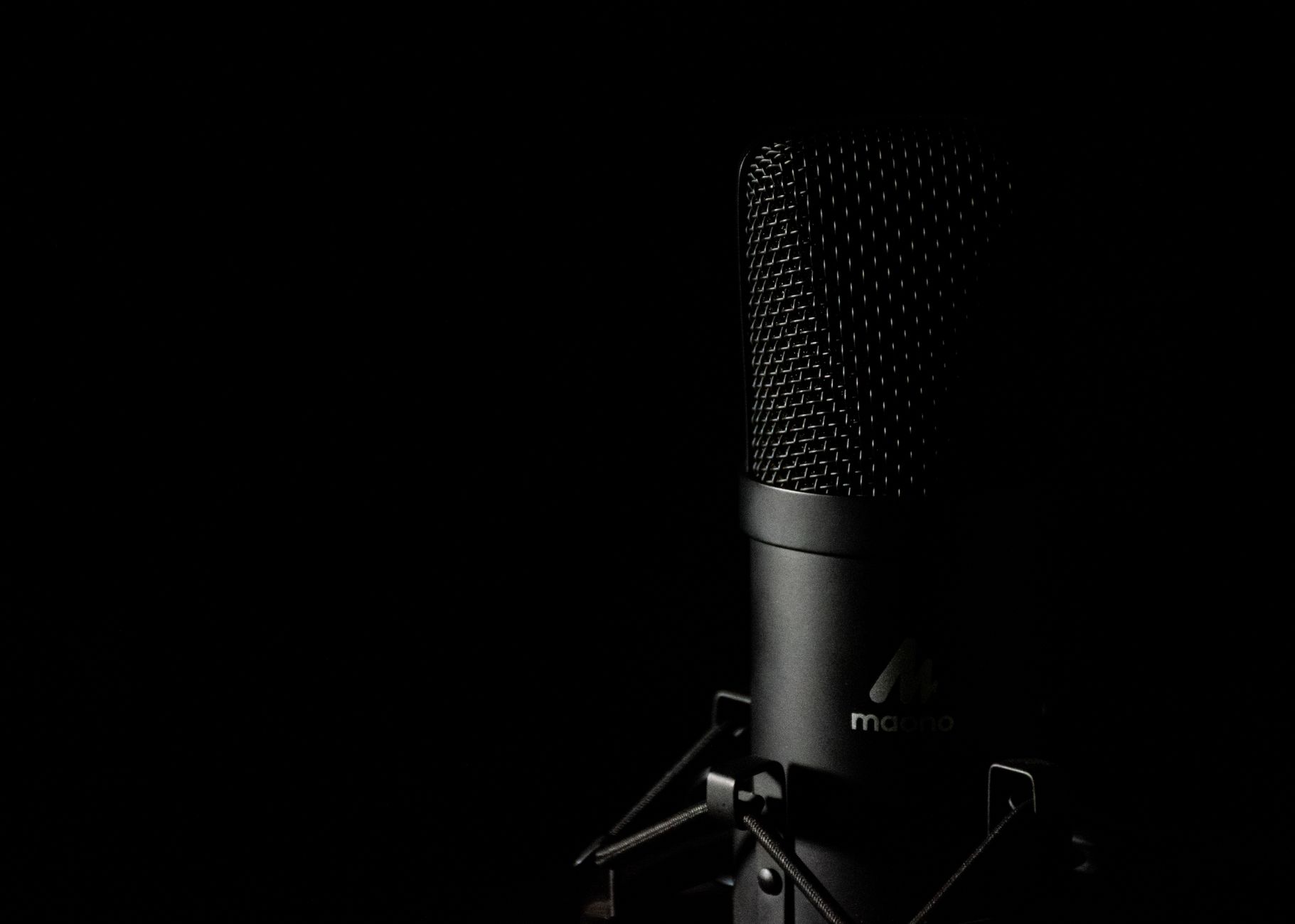
TalkShoe is one of those Pittsburgh technology stories that rarely gets the credit it deserves. Founded in the mid-2000s, the platform let anyone host a live call-in show, record it, and publish it as a podcast, all from a single dashboard. At a time when podcasting was still a niche hobby confined to RSS feeds and dedicated hardware, TalkShoe was doing something genuinely novel: it was building community-driven, interactive live audio at scale. The platform predated the live audio boom that later swept through apps like Clubhouse by well over a decade.
What TalkShoe actually does
At its core, TalkShoe is a podcast hosting and live call-in service. Hosts schedule a show, open a phone line or web-based audio room, take callers in real time, and automatically get a recorded episode at the end of the session. Listeners could join live or come back later to download the recording. It sounds simple now, but in 2006 and 2007, stitching together live telephony, streaming audio, and podcast distribution into one product required genuine engineering ambition.
The platform attracted a wide range of creators: genealogy researchers sharing family history tips, amateur sports analysts breaking down game tape, political hobbyists running Sunday call-in shows, and small faith communities holding virtual services. These were not professional broadcasters. They were people who had something to say and an audience of a few dozen loyal listeners who showed up every week. TalkShoe gave them infrastructure that would otherwise have cost thousands of dollars to assemble on their own.
The Pittsburgh roots
TalkShoe was built and launched in Pittsburgh, drawing on the region's deep engineering talent and its long tradition of turning research into products. The city's tech ecosystem, anchored by Carnegie Mellon University and the University of Pittsburgh, has consistently produced founders willing to tackle hard infrastructure problems rather than chase easier consumer trends. TalkShoe fit that mold. It was not glamorous, but it worked, and it worked reliably for the kind of users who needed it most.
Pittsburgh's growing technology sector has always had room for companies like this: quietly functional tools that serve passionate niche communities without ever landing on a magazine cover. If you want a sense of the broader environment that made TalkShoe possible, the top tech companies shaping Pittsburgh today reflect the same DNA: builders who prioritize solving real problems over chasing hype cycles.
Why live audio mattered before it was fashionable
When Clubhouse launched in 2020 and sparked a wave of breathless coverage about "the future of audio," veterans of the podcasting world mostly smiled. Platforms like TalkShoe had proven the appetite for live conversational audio years earlier. The difference was distribution: Clubhouse had venture capital, celebrity endorsements, and an invite-only launch on smartphones that people already carried everywhere. TalkShoe had dial-in phone numbers and a web interface designed for desktop browsers.
That gap in presentation obscured a genuine achievement. TalkShoe demonstrated that people will build loyal habits around audio communities when the barrier to participation is low enough. You did not need to be a radio professional. You did not need expensive equipment. You needed a topic, a time slot, and a willingness to show up. That lesson has now been absorbed into every corner of the creator economy.
The platform today
TalkShoe has continued to operate long after many of its contemporaries faded or pivoted. The service still hosts thousands of active shows, many of them running continuously for a decade or more. That kind of longevity is unusual in consumer technology, where platforms tend to sunset rapidly once growth slows. The fact that TalkShoe retained its user base speaks to the genuine utility it provides for communities that do not need a polished product, just a reliable one.
The platform has updated its interface over the years and added features for podcast-only publishing alongside its live format, keeping pace with the broader shift toward on-demand listening. It remains a free or low-cost option for independent creators, which matters in a media landscape where hosting fees and distribution costs have crept up for smaller podcasters.
What it tells us about Pittsburgh's for-good tech legacy
TalkShoe's story is partly a technology story, but it is also a story about what gets built when a city quietly prioritizes utility over spectacle. Pittsburgh has a long tradition of creating tools that empower people who would otherwise be left out of media infrastructure. That same impulse shows up in education initiatives, neighborhood journalism, and civic tech projects across the city. It is worth noting alongside Pittsburgh's more celebrated innovations.
For anyone interested in how the city continues to build things that matter, the environmental and civic accountability work happening at the grassroots level reflects the same Pittsburgh ethos: identify a real problem, build something that works, and keep showing up. TalkShoe did exactly that for audio communities. The platform may never have had a blockbuster moment, but it gave thousands of people a voice, and that counts for something.
A quiet legacy worth knowing
Not every important technology company announces itself loudly. TalkShoe spent its formative years serving genealogists, hobbyists, and community organizers who needed a tool, not a brand. It built the infrastructure for live audio community years before that phrase became a pitch deck staple. And it did it from Pittsburgh, which should come as no surprise to anyone paying attention to what this city actually produces when the cameras are pointed somewhere else.