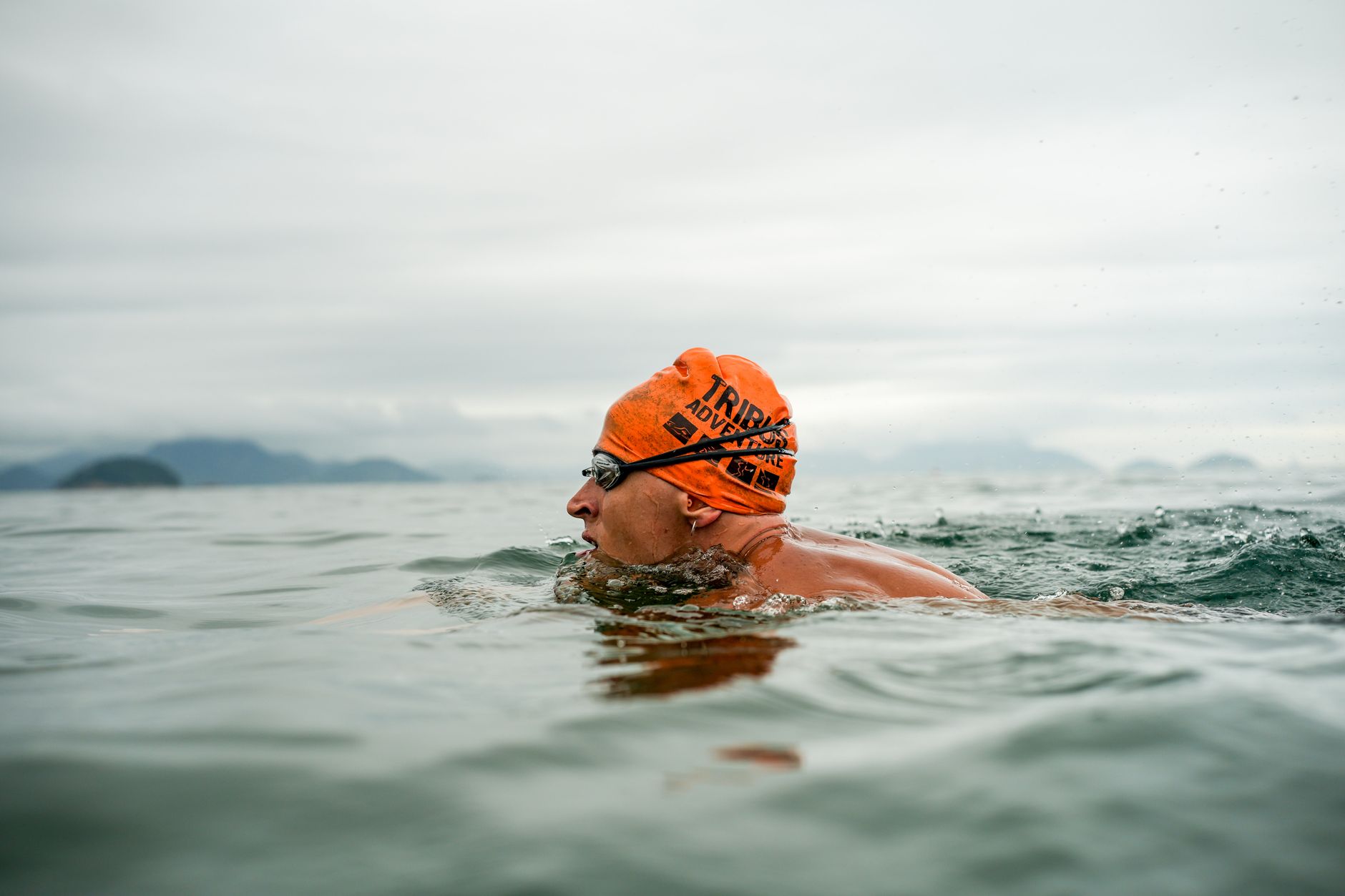

Niagara swimming sits at the intersection of extreme sport, reckless legend, and genuine athletic challenge. For open-water swimmers in Pittsburgh and across the Northeast, the falls and the river that feeds them represent one of North America's most discussed, most debated, and most dangerous aquatic environments. Whether someone is asking out of curiosity, competitive drive, or a habit of doing things that make other swimmers nervous, the answers are worth knowing in full.
What "Niagara swimming" actually means
The term covers more than one kind of water. Most people picture the iconic falls themselves, but the Niagara River is a distinct environment that stretches roughly 35 miles from Lake Erie to Lake Ontario. Open-water swimmers who discuss Niagara typically mean one of three things: swimming in designated sections of the lower Niagara River, attempting a crossing of the river at controlled points, or the rare and highly publicized stunts pulled off above or below the falls.
The falls themselves are a different matter entirely. Swimming at or near Niagara Falls is illegal on both the Canadian and American sides, with enforcement backed by significant fines and the very real possibility of drowning. The current above the falls reaches speeds that no swimmer, regardless of ability, can fight. Fourteen miles per hour at the crest is the commonly cited figure, and the hydrology makes that number feel conservative once you're in it.
The history of people who tried anyway
The documented history of Niagara stunts goes back to 1901, when Annie Edson Taylor became the first person to survive going over the falls in a barrel. Swimmers, as opposed to barrel-riders, have a much thinner track record. Captain Matthew Webb, the first person to swim the English Channel, died attempting to swim the Niagara Whirlpool Rapids in 1883. The rapids killed him in minutes despite his elite endurance credentials.
More recently, a small number of trained open-water athletes have completed supervised crossings of calmer sections of the river, well downstream from the falls. These crossings require permits, support boats, and detailed planning with local authorities on both sides of the international border. They're impressive athletic achievements. They're also nothing like what most people imagine when they type "Niagara swimming" into a search bar.
What Pittsburgh swimmers need to know about open-water safety
Pittsburgh's open-water swimming community has grown steadily over the past decade, shaped by access to the Allegheny, Monongahela, and Ohio rivers and by the culture of endurance sport that runs deep in this city. That culture includes a serious commitment to safety standards that apply everywhere, including destination swims far from home.
Three principles guide responsible open-water swimming in any unfamiliar body of water. First, research the current: not just the average speed, but the variability caused by rainfall, seasonal snowmelt, and upstream dam releases. Niagara's flow increases dramatically in spring, and even the calmer stretches of the river run faster than most swimmers expect. Second, check the legal status before entering the water. Authorities at Niagara enforce swimming restrictions actively, and an arrest or fine will end a trip faster than a strong current. Third, always swim with support. A kayaker or boat crew isn't optional on a river with that kind of power behind it.
Local resources matter here. Pittsburgh's own Verve Wellness Center has become a meeting point for athletes who cross between pool training and outdoor endurance pursuits, and the conversations happening there about open-water prep reflect a city that takes aquatic fitness seriously.
The legitimate Niagara swim routes
For swimmers who want the real experience without the legal and physical risk, two routes stand out. The Niagara River crossing between Youngstown, New York, and Niagara-on-the-Lake, Ontario, is the most commonly cited legitimate route. It's roughly 1.2 miles of moving water, and most organized crossings use the current strategically rather than fighting it. Swimmers end up considerably downstream from their entry point, which is part of the planning.
The second option is the Lake Ontario end of the river, where the current dissipates and conditions become more predictable. Some open-water events have used this zone for organized swims, though scheduling and permits change from year to year. The Niagara Parks Commission maintains updated guidance on what's permitted on the Ontario side, and it's worth checking directly before making any plans.
Why Pittsburgh's "for good" community cares about this conversation
It might seem odd to frame a piece about swimming near a waterfall as a civic good story. But the reason Niagara swimming keeps coming up in Pittsburgh athletic and outdoor circles is exactly because of the safety culture those communities have built. Every year, people drown in open water because they underestimated a current, swam alone, or assumed that a famous body of water was safer than it looked. Pittsburgh's rivers carry the same risks on a smaller scale, and the conversations local swimmers have about places like Niagara feed back into how people approach the rivers at home.
Pittsburgh's outdoor and volunteer communities have invested real energy in waterfront education. Organizations like those working to protect Pittsburgh's riverfronts have helped shift the city's relationship with its waterways from industrial afterthought to genuine public asset. That shift carries a responsibility: the more people use those waters, the more important it is that they use them safely.
Niagara swimming, at its best, is a story about what humans can accomplish in moving water when they prepare properly, respect the environment, and work within legal and physical limits. At its worst, it's a reminder of what happens when they don't. Pittsburgh swimmers are well-positioned to understand the difference.