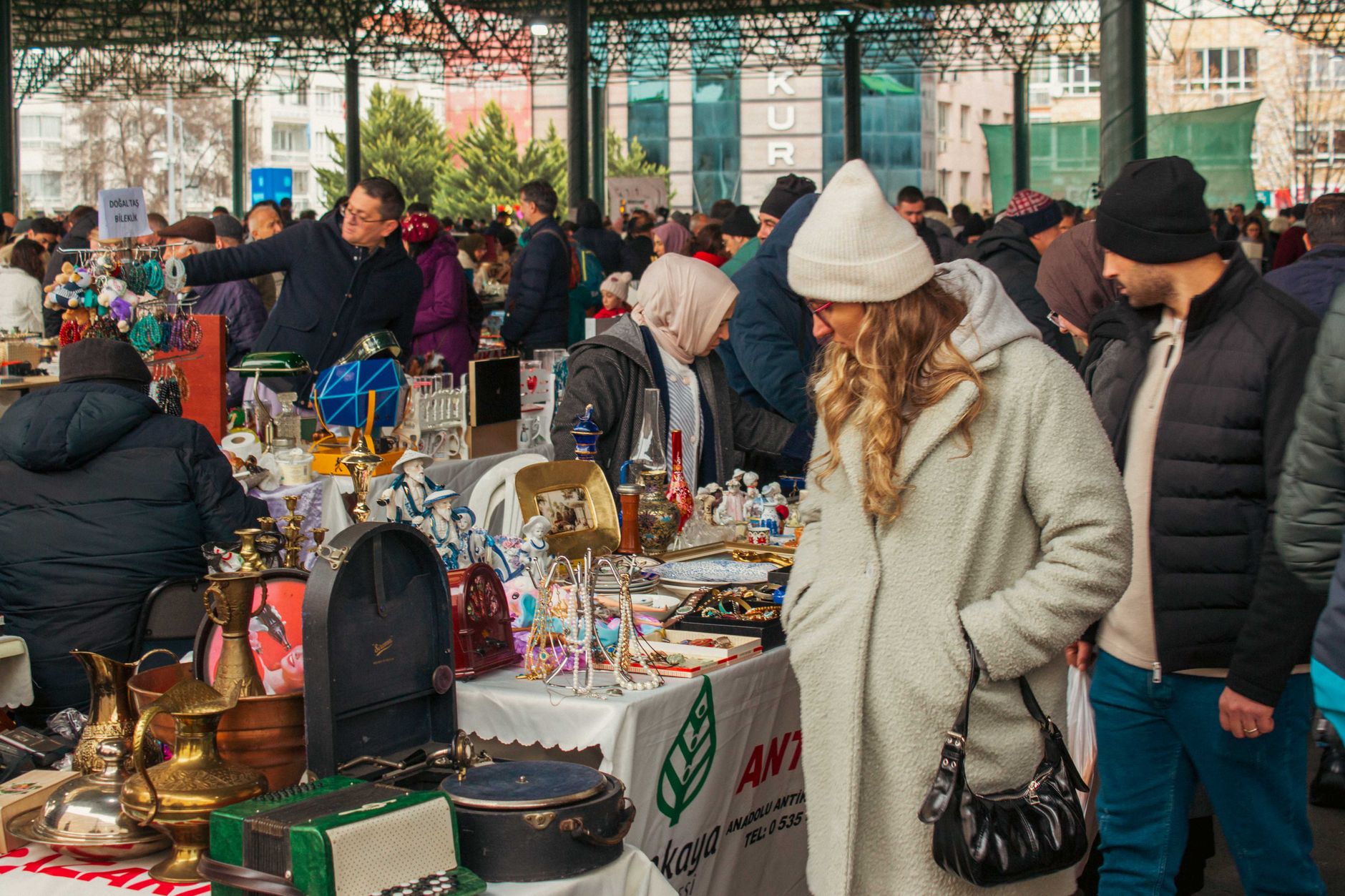

Pittsburgh has a genuine flea market culture, and it runs well beyond the riverfront. Most people know Trader Jack's, the beloved South Side institution that has drawn weekend bargain hunters and antique lovers for decades. But the city's broader weekend market scene, scattered across church parking lots, repurposed warehouses, and open-air fairgrounds, rewards the curious shopper who's willing to drive a few miles off the obvious path.
What makes Pittsburgh good flea market territory
Geography and history both help. Pittsburgh's density of older neighborhoods means a constant churn of estate sales, relocated collections, and downsized households, and that supply feeds the tables. The city's strong working-class tradition of fixing, reusing, and reselling never really went away. It just got a new audience: the vintage-obsessed twenty-somethings of Lawrenceville and Bloomfield who treat thrift as both budget strategy and aesthetic.
The result is an unusually mixed ecosystem. You'll find serious dealers hunting ceramics and mid-century furniture at the same market where someone's grandmother is offloading a bread machine and a box of Reader's Digests. That mix is the point.
The markets worth adding to your Saturday rotation
Renegade Flea at the Allegheny County Fairgrounds (South Park) runs on select weekends from spring through fall, pulling in 80 to 120 vendors across a mix of indoor and outdoor space. The fairgrounds give sellers room to bring larger pieces, so this is where you're more likely to find furniture. It skews more antique than thrift, with a pricing culture that assumes you're going to negotiate.
The Vintage Market Days Pittsburgh events, held a few times a year at rotating suburban venues, attract vendors who've done the curation work for you. Expect repainted furniture, curated linens, and estate jewelry priced with some care. It's less of a dig-through situation and more of a slow browse. Vintage Market Days posts its Pittsburgh dates and host venues on its official site before each season.
The Strip District on Saturday mornings functions as an informal flea market in its own right. The block around 21st and Penn Avenue regularly has vendors setting up tables of secondhand books, vinyl, housewares, and oddities alongside the produce trucks. It's not organized the way a proper market is. That's what makes it good.
Lawrenceville's pop-up vintage markets appear a few times a year, often connected to neighborhood events or organized by local vintage dealers who use Instagram to announce dates a week or two out. These are small, usually 10 to 20 sellers, and they move fast. Following a few of the Butler Street vintage shops on social media is currently the only reliable way to know when one's coming.
Church sales: the most underrated format
Polish Hill, Bloomfield, and the South Side all have Catholic parishes that run annual or semi-annual rummage sales that are worth building your calendar around. These events are publicly posted on church websites but rarely advertised beyond the neighborhood. Prices are low. Volume is high. The best stuff goes in the first hour.
The Polish Hill parish sales in particular have developed a small but dedicated following among vintage furniture hunters, because the neighborhood's long-stable homeowner base means the donations skew older and more interesting than a typical thrift-store drop-off.
What to bring and how to move through a market
Cash still runs most of these events. Some vendors take Venmo or Square, but not all, and the ones with the best prices often don't. Bring small bills. A $50 note at a $3 table creates friction that kills the mood for both of you.
Get there early or go late. The first hour at any market surfaces the best undiscovered pieces before the experienced dealers clear them. The last hour surfaces the deals, because sellers don't want to pack things back into a truck. Mid-morning is the worst time: crowds are up, prices haven't moved, and the good stuff is already bagged.
Measure before you go. The single most common mistake at Pittsburgh flea markets is falling for a piece of furniture and realizing on the sidewalk outside your house that it's two inches too wide for the stairwell. A tape measure costs $4 at any hardware store and saves enormous grief.
The collector's Pittsburgh
Pittsburgh's flea market circuit connects to a wider ecosystem of estate sales, antique shops, and pop-up collectives. The city's East End neighborhoods, Shadyside, Point Breeze, and Squirrel Hill, have a higher concentration of antique shops than most people realize, and many dealers split their time between a brick-and-mortar location and a weekend market table.
If you find a vendor you trust at a market, ask where else they sell. Pittsburgh's dealer community is small enough that one good connection can open up a whole network of leads on specific categories, whether you're hunting vintage ceramics, 1950s sporting goods, or pressed glass.
The weekend market scene here isn't polished. It doesn't need to be. The charm is in the randomness, the negotiation, and the occasional genuine find sitting between a broken blender and a set of 1970s encyclopedias. That's Pittsburgh's market culture, and it's been here a lot longer than the trend.