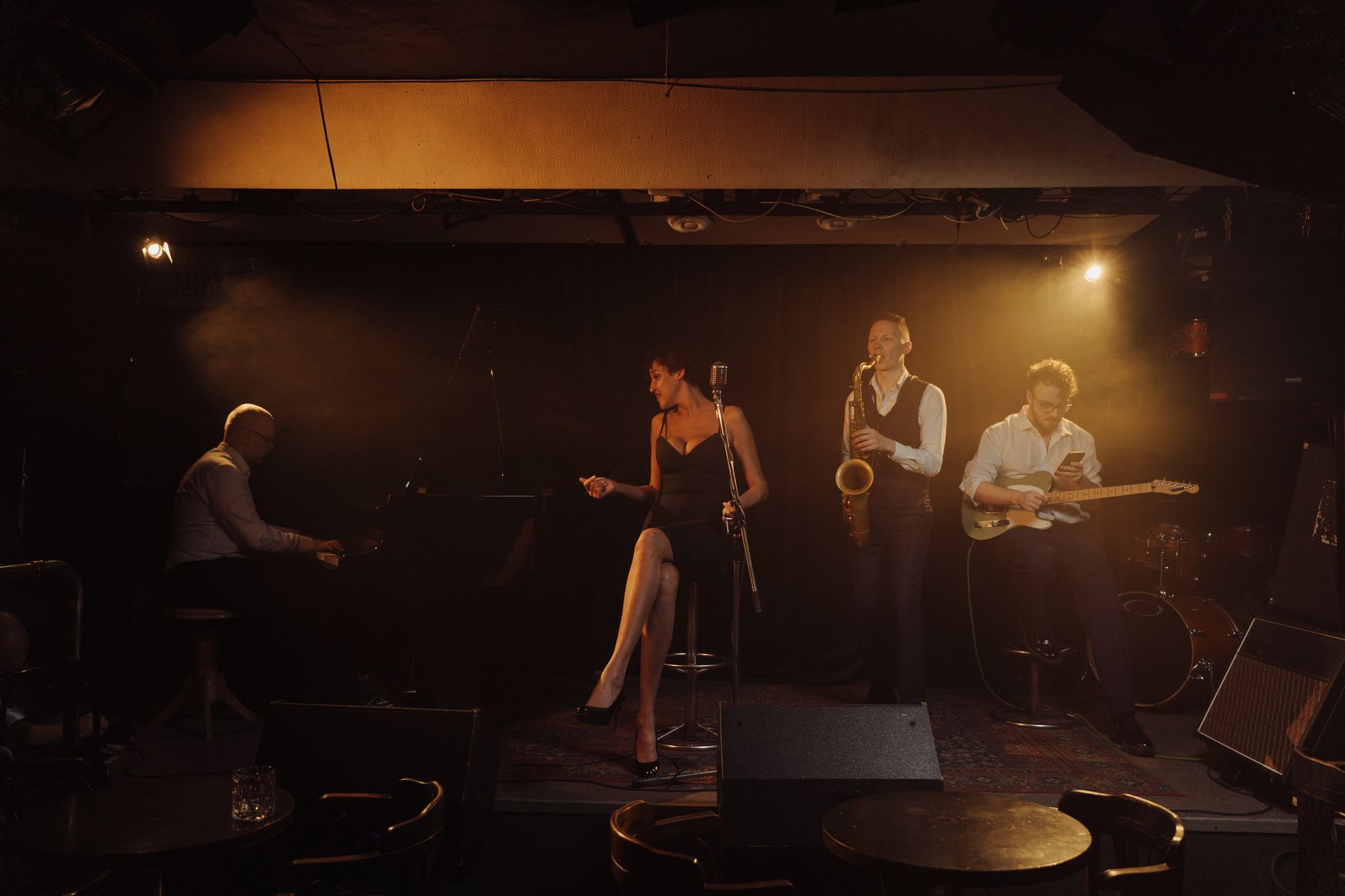

Pittsburgh's jazz scene doesn't announce itself loudly. It never did. The city that produced Ahmad Jamal, Walt Harper, and Erroll Garner built its reputation on players who let the music do the talking, and that tradition runs straight into the present. The jazz bars operating in Pittsburgh right now are not relics. They're booking working musicians, drawing devoted regulars, and maintaining a culture that most mid-size American cities have long since abandoned.
What follows is a practical guide to where you'll hear live jazz in Pittsburgh, what each room sounds like, and what to expect when you walk in.
Club Café: the South Side standard
Club Café on East Carson Street has been the South Side's most reliable live music room for years. Jazz shares the calendar with folk and indie rock, but the jazz nights here are serious: small ensembles, thoughtful programming, and a room that holds roughly 200 people on a packed night. The sound is good. The sightlines are better. Book ahead for weekend sets.
The Thunderbird Café and Music Hall: Lawrenceville's room
The Thunderbird has been Lawrenceville's de facto listening room for years, hosting jazz acts alongside everything else Butler Street sends its way. The stage is modest but the acoustics work, and the bar keeps its prices honest. Sunday evenings tend to favor quieter jazz bookings. Arrive early if you want a seat near the stage.
Ace Hotel Pittsburgh: the lobby set
Ace Hotel Pittsburgh in East Liberty runs occasional jazz sessions in its lobby bar, and the space is genuinely suited to it. High ceilings, soft lighting, a crowd that skews curious rather than loud. It's the closest Pittsburgh gets to the hotel-bar jazz tradition that cities like Chicago and New Orleans treat as infrastructure. Check the events calendar before making the trip, since bookings shift week to week.
Why the Hill District still matters
Any honest account of Pittsburgh jazz has to start in the Hill District, and understanding the neighborhood's history helps explain why the city's jazz culture feels different from other places. During the mid-20th century, the Hill's Wylie Avenue corridor was one of the most active jazz streets in the country, producing musicians who went on to define the art form. That specific geography no longer hums with clubs the way it once did, but the identity it built persists. Venues across the city carry that lineage, even when they're not billing themselves as jazz rooms.
If you want to understand why Pittsburgh's music culture works the way it does, the Hill District's past and present is the right place to start.
Caliente Pittsburgh: Cuban kitchen, jazz calendar
Caliente on Penn Avenue books live jazz on weekend nights with more consistency than most spots its size. The food is Cuban, the room is warm, and the music tends toward straight-ahead and Latin jazz. It's a restaurant first, but the jazz is not an afterthought. The kitchen stays open late, which makes it a natural stop after an early set elsewhere.
What to look for in a Pittsburgh jazz room
Pittsburgh's best jazz venues share a few qualities worth knowing before you go. Sound quality varies enormously in smaller rooms, so rooms with dedicated PA systems and low ambient noise from kitchen and bar traffic tend to produce the best listening experiences. Capacity matters too. Rooms under 100 seats force musicians to play at conversational volume, which rewards attentive listeners and punishes people on their phones.
Tipping the musicians directly is standard in Pittsburgh's smaller rooms, especially when there's no cover. A few dollars in the jar after a set is the norm, not an exception.
The independent venue question
Pittsburgh's independent music venues operate on margins that don't tolerate many empty seats. Jazz nights, which tend to draw smaller but more devoted crowds than rock shows, require venues that understand their audience. The city has a handful of operators who do, and that's why the jazz calendar here has stayed healthier than in comparably sized cities that lost their independent venue infrastructure during the pandemic years.
Bossa Nova Civic Club in Bloomfield occasionally books jazz-adjacent acts alongside its indie and electronic programming, and it's worth following their calendar if your tastes run toward the experimental end of the spectrum. The venue's booking philosophy explains why its programming consistently surprises.
Planning your night
Most Pittsburgh jazz venues post their calendars two to four weeks out. Cover charges, when they exist, run between $8 and $20 for local and regional acts. National touring acts at Club Café can push higher. Wednesday and Thursday nights often feature the most adventurous bookings at smaller rooms, since weekend slots go to acts with broader draw.
Parking near South Side venues is easier than it looks. East Carson Street has metered parking that goes free after 6 p.m., and the side streets off 18th and 20th fill up but rarely completely. If you're coming from the East End, the 54C bus drops near Club Café and the ride back is direct.
Pittsburgh's jazz scene rewards regulars. Show up twice and the bartenders know your order. Show up six times and someone on stage knows your name. That's not nostalgia. It's just how the city's music culture still works.