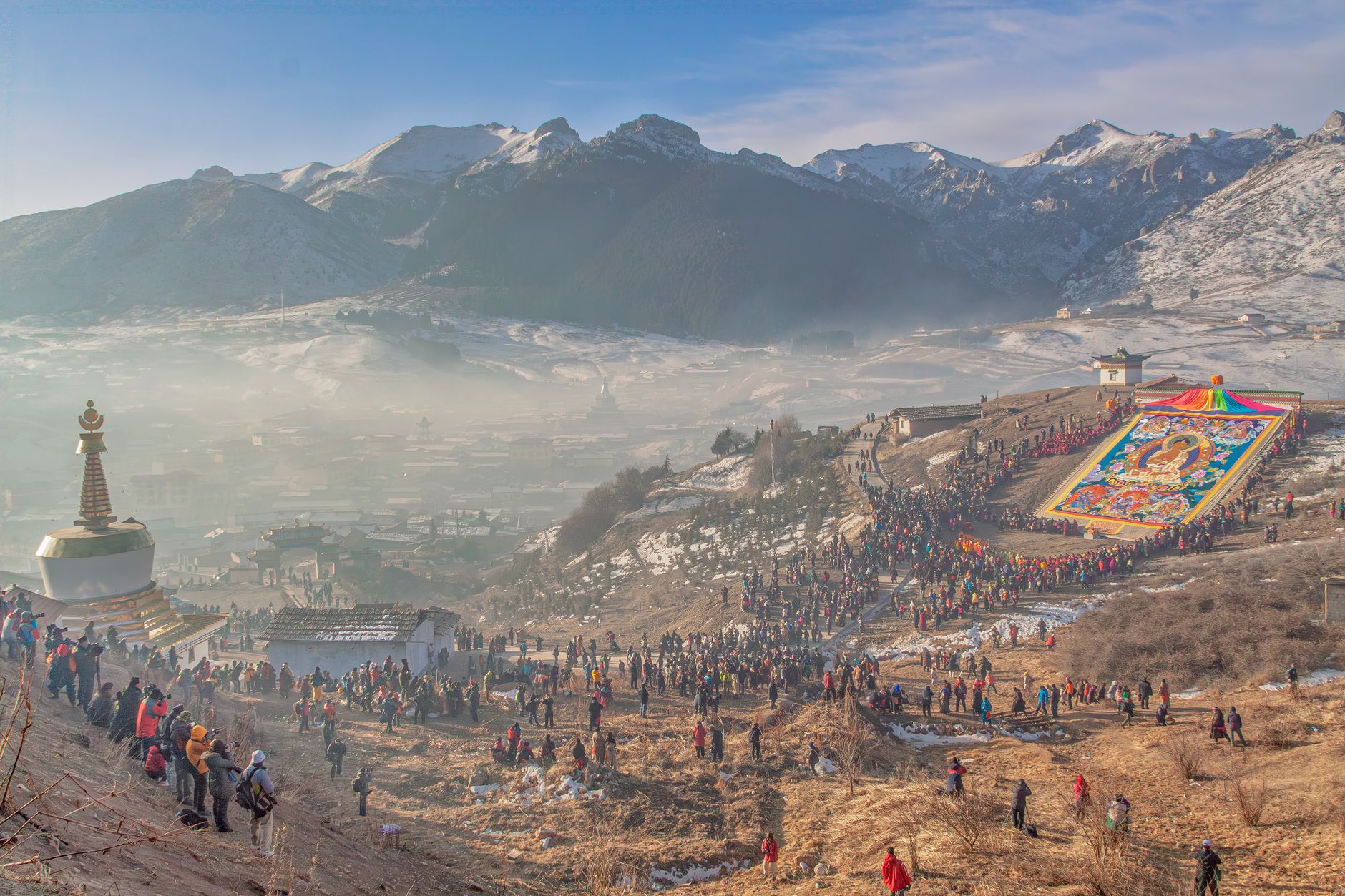

The phrase "Himalayan country" conjures mountain peaks and ancient trade routes, but in Pittsburgh it means something more immediate: a living, growing community of Nepali and Bhutanese immigrants who have quietly transformed corners of the city over the past two decades. From South Hills apartment complexes to Dormont grocery stores stocked with dal and dried mustard greens, the footprint of Himalayan country culture is now visible across the region in ways that would have been hard to predict even 15 years ago.
How Pittsburgh became a Himalayan hub
The story begins with refugee resettlement. After the Bhutanese refugee crisis of the 1990s, tens of thousands of ethnic Nepali Bhutanese spent years in camps in Nepal before being admitted to the United States under a resettlement program that started in earnest around 2007. Pittsburgh, with its relatively low cost of living and established resettlement infrastructure, became one of the primary destination cities. Agencies like the International Institute of Pittsburgh and Jewish Family and Community Services helped families land, find housing, and enroll children in school.
What followed was organic. Once a critical mass of families arrived, others chose Pittsburgh on their own, drawn by relatives and by the community infrastructure that had already taken shape. Nepali grocery shops, Hindu temples, and community associations appeared in Whitehall, Brookline, and Beechview. Today, the Pittsburgh metro area is home to one of the largest concentrations of Bhutanese refugees in the country.
Food as a front door
For many Pittsburghers, the first contact with Himalayan country culture comes through food. Momo dumplings, stuffed with spiced chicken or vegetables and served with a fiery tomato-sesame sauce, have become something of a cult item at community events and pop-ups across the city. Several small Nepali restaurants and home-cooking operations have opened and closed over the years, reflecting the economic pressures that immigrant food businesses everywhere face.
Pittsburgh's broader appetite for global food has helped. The city's vegan restaurant scene has grown comfortable with lentil-forward cooking and South Asian spices, which has made dal bhat and aloo tama less foreign to local palates. A handful of Nepali cooks have found steady footholds catering events and supplying specialty items to local grocers. The food isn't fully mainstream yet. But it's moving.
Language, faith, and keeping culture alive
One of the most striking aspects of Pittsburgh's Himalayan community is how deliberately it has worked to preserve language and faith. Nepali-language classes run on weekends in South Hills churches rented for the occasion. Hindu puja ceremonies bring hundreds of families together for Dashain and Tihar, the two most important festivals in the Nepali calendar. Younger community members, many of whom grew up entirely in Pittsburgh public schools, navigate between English at work and Nepali at home with the kind of fluency that immigrant children develop early.
That generational dynamic is one of the most interesting threads in the community right now. Kids who arrived as toddlers from refugee camps in Jhapa or Damak are now graduating from Pitt and Carnegie Mellon, entering healthcare, engineering, and business. A few have started small businesses of their own. The community has moved, in less than 20 years, from resettlement to institution-building.
Challenges that haven't disappeared
Progress doesn't erase friction. Language barriers remain real for older residents, particularly those who arrived with limited formal education. Access to culturally competent healthcare is a documented gap: conditions common in the Himalayan region, including certain nutritional deficiencies and tuberculosis exposure, require providers who understand the context. Mental health support, especially for survivors of displacement and camp trauma, is scarce in any language, let alone Nepali.
Employment is another pressure point. Many first-generation arrivals work in warehousing, food service, and home health aide roles, jobs that are essential but rarely stable. The income gap between the first generation and their college-educated children is likely to close, but that transition period is hard for families who arrived with nothing and are now managing mortgage payments and elder care simultaneously.
Pittsburgh's affordability helps, but it isn't infinite. Rent in the South Hills neighborhoods where much of the community settled has risen along with the rest of the city. For a sense of what that cost pressure actually looks like day to day, the numbers laid out in what it actually costs to live in Pittsburgh are instructive: even at Pittsburgh's relatively modest price points, a family supporting multiple generations on service-sector wages runs tight.
Culture making its mark
Beyond food and faith, Himalayan country culture is showing up in Pittsburgh's arts spaces in small but notable ways. Nepali dancers have performed at the Pittsburgh Cultural Trust's international programming. A local nonprofit, the Bhutanese Community Association of Pittsburgh, has organized cultural showcases that draw audiences well outside the community itself.
The connections to Pittsburgh's existing cultural infrastructure matter here. Institutions like the Pittsburgh Center for the Arts have made efforts in recent years to broaden their programming beyond the Western European canon, and communities with strong visual and performing arts traditions, including Nepal's extraordinary thangka painting heritage and classical dance forms, have a potential partner in those efforts.
The Himalayan community in Pittsburgh isn't a monolith, and it isn't finished forming. It contains Bhutanese-Nepali families who fled ethnic persecution, economic migrants from Kathmandu who chose the city for its universities, and a second generation that is entirely Pittsburgher in every practical sense. What connects them is a shared origin in one of the world's most rugged, beautiful, and politically complicated regions, and a shared investment in a city that gave them room to land.
Pittsburgh has a long history of absorbing immigrant communities and being changed by them. The Himalayan chapter is still early. It's already one of the more quietly consequential ones.