
Pittsburgh Center for the Arts is one of the city's most enduring creative institutions, operating out of a historic Mellon Park mansion in Point Breeze that has welcomed artists, students, and curious visitors for more than 70 years. It's a working studio school, a gallery space, and a community arts hub all in one building. Few places in Pittsburgh do as much for working artists at every stage of their careers.
What Pittsburgh Center for the Arts actually does
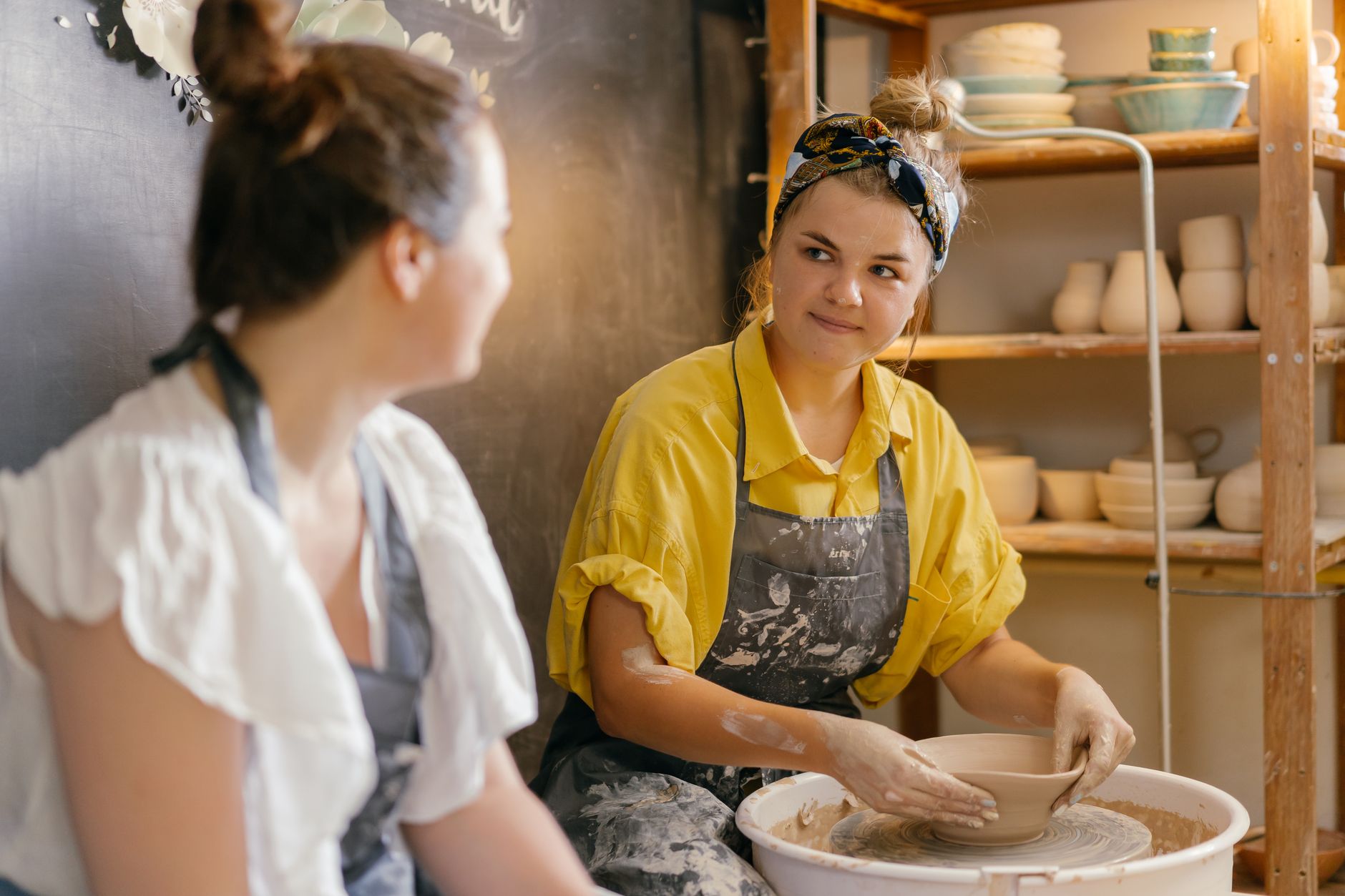
At its core, Pittsburgh Center for the Arts runs a studio school that offers classes in ceramics, painting, drawing, printmaking, photography, jewelry making, and fiber arts. Adults and teens can enroll in semester-long courses or shorter workshops. The program doesn't require any prior experience. Beginners sit alongside practicing professionals, which tends to produce a teaching environment more honest than a traditional academic one.
The Center also maintains gallery space that rotates exhibitions throughout the year, mixing solo shows by Pittsburgh-based artists with regional and national group exhibitions. The gallery admissions are free, which keeps the space genuinely public rather than gated behind ticket prices. That matters in a city where independent artists often struggle to find exhibition venues that don't charge significant fees or require institutional affiliation.
Community education is a third pillar. Pittsburgh Center for the Arts runs outreach programs that bring arts instruction into underserved Pittsburgh schools and neighborhoods, positioning the Center as more than just a cultural destination for people who can afford enrichment classes.
The building and its history
The Center occupies Mellon Park mansion, a stately early-20th-century structure that was donated to the city of Pittsburgh in the 1940s. The location in Point Breeze puts it adjacent to Mellon Park's formal gardens, and the combination of the building and its surroundings gives the Center an atmosphere unlike almost anything else in the Pittsburgh arts world. It doesn't feel like a gallery in a converted warehouse or a studio in a strip mall. It feels like a place that was always meant to be used for something serious.
That history shapes how the Center presents itself. Pittsburgh Center for the Arts isn't trying to be trendy. It's trying to be useful to the people who actually make art in this city, which has kept it relevant even as newer creative spaces have opened across Lawrenceville, the Strip District, and East Liberty.
How it fits into Pittsburgh's broader arts scene
Pittsburgh's arts ecosystem is genuinely wide. The city has major institutions like the Carnegie Museums, a growing number of Pittsburgh art galleries spread across neighborhoods, and individual artists like Caroline Gerdes who have built nationally recognized practices rooted here. Pittsburgh Center for the Arts occupies a specific niche within that ecosystem: it's the place where people learn the craft, not just consume it.
That distinction is worth holding onto. A city can have excellent museums and still leave working artists without affordable studio access, quality instruction, or places to show new work. Pittsburgh Center for the Arts addresses all three gaps. It's a school, a gallery, and a community resource without being purely one or the other.
The Center's programming also connects to Pittsburgh's broader commitment to arts education. The city has invested meaningfully in STEAM curriculum at the K-12 level, and Pittsburgh Center for the Arts fits into that ecosystem as a place where students can pursue arts training outside of school hours, at a level of rigor that most school programs can't match.
Classes and how to enroll
Pittsburgh Center for the Arts organizes its schedule around fall, winter, and spring semesters, with a summer session that tends to draw younger students. Registration opens online through the Center's website. Class sizes stay small by design, typically capped at 12 to 15 students per section, which allows instructors to give individual feedback rather than general demonstrations.
Tuition varies by class length and medium. Multi-week studio courses in ceramics or printmaking cost more than single-session workshops, but the Center has historically offered need-based assistance for students who can't cover the full fee. It's worth calling or emailing the Center directly to ask about current financial aid options, since those programs change with funding cycles.
Pittsburgh Center for the Arts publishes its full class catalog on its website, including descriptions, prerequisite levels, and instructor bios. Most introductory classes are genuinely accessible. You don't need to arrive with a portfolio or any prior studio experience.
Why the Center still matters in 2026
Pittsburgh's creative community is expanding. New galleries, artist collectives, and maker spaces have opened across the city in the past few years. That growth is real and welcome. But it doesn't replace what Pittsburgh Center for the Arts provides: a structured, affordable, long-standing institution that treats adult arts education as a serious public good.
The Center has survived multiple funding crunches, organizational restructuring, and the broader pressures that have closed similar institutions in other mid-size American cities. Its continued operation reflects something specific about Pittsburgh's relationship to the arts, a belief that creative practice deserves institutional support, not just celebration at opening night receptions.
For anyone living in Pittsburgh who wants to learn a craft, see serious local work, or simply understand what the city's arts community actually looks like from the inside, Pittsburgh Center for the Arts is the right place to start.