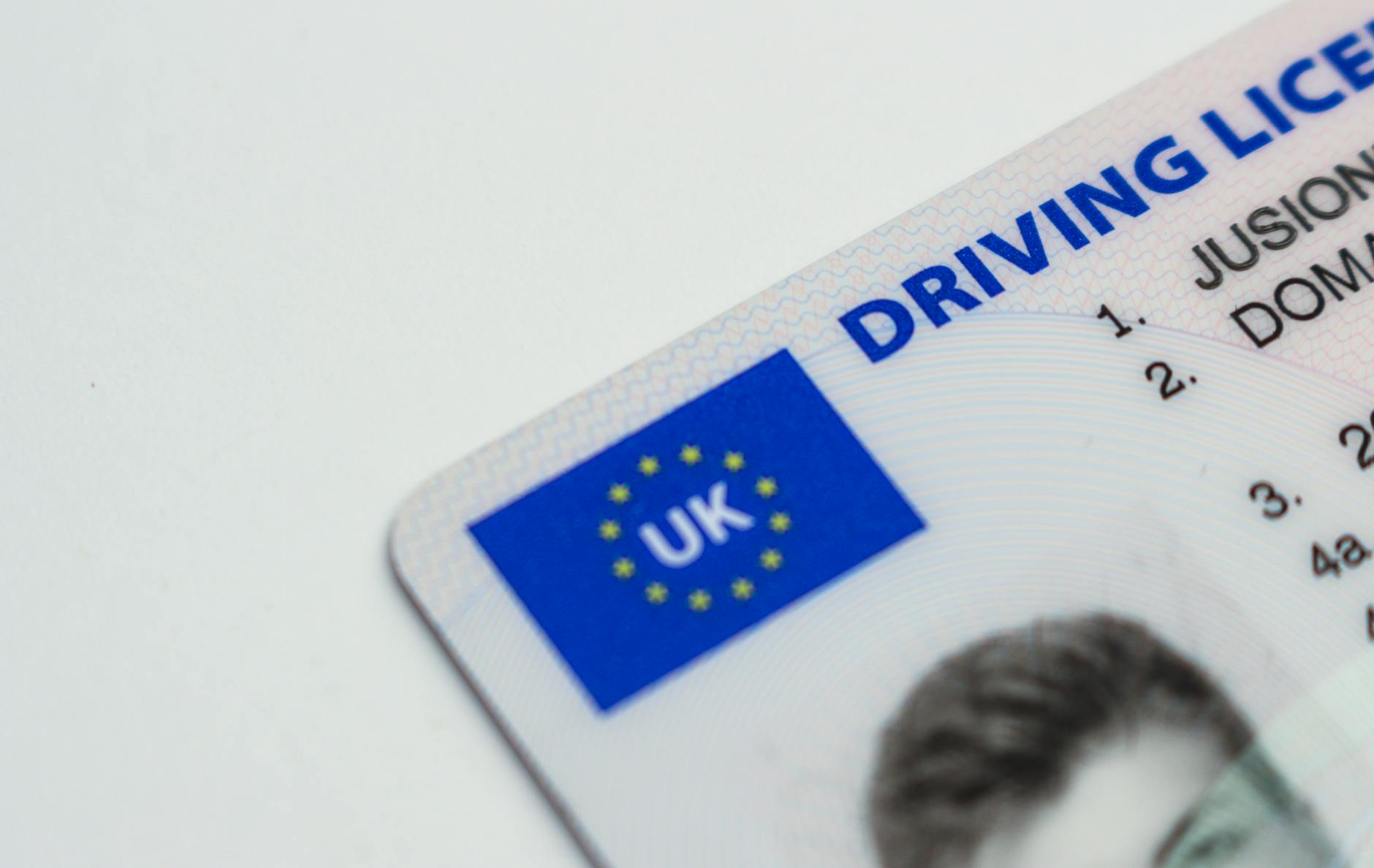

The gambling age in Pennsylvania is 21 for most licensed forms of wagering, including brick-and-mortar casinos, online casino games, online poker, and sports betting apps. The state lottery is the one exception: Pennsylvanians can buy lottery tickets at 18. That two-tier system trips up a lot of first-time players, so it's worth getting the details straight before you walk into Rivers Casino or download a PA iGaming app.
The 21 rule: where it applies
Pennsylvania law sets 21 as the minimum age for every form of gambling that falls under the Pennsylvania Gaming Control Board's licensing authority. That covers a wide range of activity. Rivers Casino Pittsburgh on the North Shore, Hollywood Casino at Penn National, and the state's other licensed venues all card at the door. If you're under 21 and found on the floor, the casino is required to remove you even if you haven't placed a bet. The age check applies to everyone on the gaming floor, not just people sitting at a machine or table.
Online platforms work the same way. When you sign up for a licensed PA iGaming site or sportsbook, the operator runs an identity verification check as part of onboarding. You need to be 21 to create an account and deposit funds. PA iGaming platforms like BetMGM, FanDuel Casino, and DraftKings Casino are all required to verify age before granting access to real-money games. These aren't optional steps that sophisticated users can skip; the checks are built into the state licensing requirements.
Sports betting follows the same 21-year threshold. That means mobile sportsbook apps, in-person sportsbook windows at casinos, and any other licensed sports wagering platform in the state all require players to be at least 21. Pennsylvania set this standard deliberately, aligning it with the age requirements for alcohol rather than the lower threshold some other states have adopted.
The lottery exception: 18 and up
Pennsylvania's state lottery operates under a different law and a different regulator than its casino and iGaming sector. The Pennsylvania Lottery sets its minimum age at 18. That means scratch-offs, Powerball tickets, Keno, and iLottery digital games are all accessible to adults aged 18 and older. The Pennsylvania Lottery's iLottery platform, which lets players buy tickets and play certain draw games online, also uses 18 as its age floor.
This distinction matters if you're buying a gift for someone. A $20 Powerball ticket is legal for an 18-year-old. A gift card to a casino sportsbook is not. The two systems exist under separate state codes and have never been harmonized to a single age threshold.
What happens when someone underage gambles
Consequences fall on both the player and the operator. A person under 21 caught gambling at a licensed Pennsylvania casino can be removed and barred. Any winnings they accumulated are forfeited. That's not a theoretical outcome; casinos do void payouts when they discover a winner was underage at the time of play.
For operators, serving an underage gambler is a licensing violation. The Pennsylvania Gaming Control Board has the authority to fine licensees and, in serious or repeated cases, suspend or revoke their operating license. Casino compliance teams run regular audits specifically to prevent underage access, and they're motivated to get it right.
Online platforms face the same enforcement risk. If an underage user creates an account using falsified documents and later wins, the operator is expected to have controls in place that would have caught the discrepancy. When those controls fail, the platform bears liability.
Skill games and other gray areas
Pennsylvania's skill game machines occupy a legally contested space, and the age rules around them are less settled than those covering licensed casinos. For years, skill game machines in bars and convenience stores operated with minimal age enforcement, since they weren't officially classified as gambling devices. That's been changing as the state legislature and courts have moved to regulate or restrict the machines. As of now, there's no uniform, clearly enforced age threshold for skill game machines the way there is for licensed casinos. Players who want to understand where that debate stands can follow what's happening with skill games in PA, since the legal ground has been shifting quickly.
Responsible gambling and age verification resources
Pennsylvania's regulated gambling market includes resources for players who develop problems, and the age rules exist partly to protect younger adults. The state's Pennsylvania Council on Problem Gambling runs a helpline and referral service available to anyone who needs it. Licensed operators are required to link to problem gambling resources and to offer self-exclusion options to players who request them. Self-exclusion covers all licensed casinos and iGaming platforms statewide, so a single enrollment blocks access across the regulated market.
If you're new to Pennsylvania's gaming market or helping someone understand the rules, the age thresholds are the first thing to get right: 21 for casinos, iGaming, and sports betting; 18 for the state lottery. The enforcement is real, the consequences for violations are concrete, and the licensed operators take both seriously.