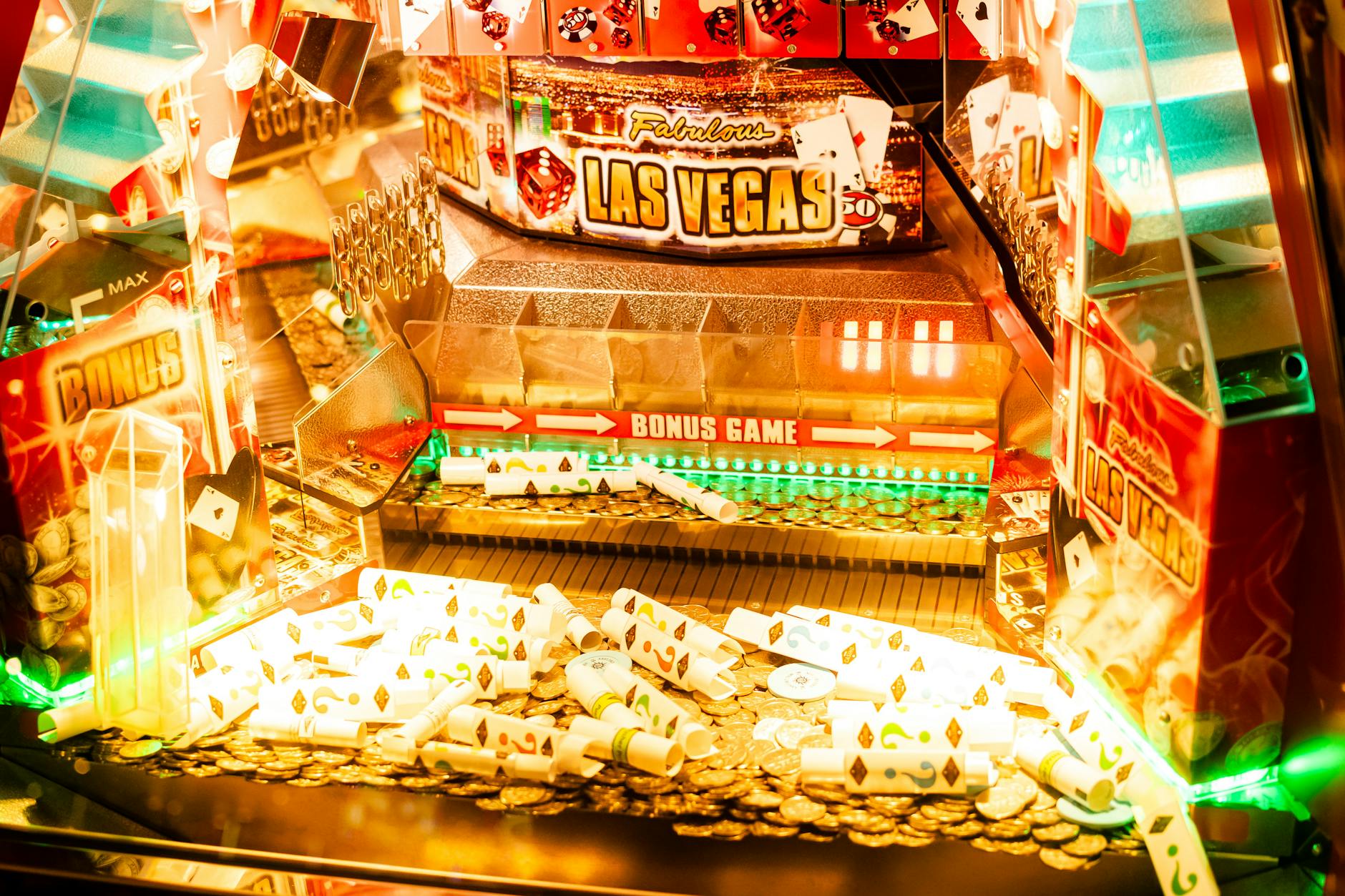

What happens to skill games in PA now is the question rattling through thousands of bars, gas stations, and convenience stores across the state. The machines are still blinking in corners from Lawrenceville to Monroeville. Operators are still collecting quarters. But the legal framework underneath all of it remains contested, and recent developments in Harrisburg have done more to extend the fight than resolve it.
Where the legal battle stands
Pennsylvania's skill game dispute has never really been a single case. It's a layered fight involving the state legislature, the Pennsylvania Gaming Control Board, the courts, and the companies that manufacture and distribute the machines. The core question is whether skill games, which require a player to make some decision to win rather than relying purely on chance, constitute illegal slot machines under state law.
The Commonwealth Court has weighed in more than once. Judges have repeatedly found that skill games occupy a distinct category from traditional slots, which manufacturers like Pace-O-Matic have argued since the beginning. But winning in court has not translated into a stable legal status. The Pennsylvania Supreme Court's scrutiny, combined with pressure from the casino lobby, has kept the question alive.
For a deeper look at how those rulings have reshaped the situation locally, the PA skill games ruling and what it means for Pittsburgh breaks down the specific implications for the city's bars and small businesses.
What the legislature keeps failing to do
The cleanest fix would be a bill. Lawmakers in Harrisburg have introduced skill game legislation in multiple sessions, with proposals ranging from outright regulation and taxation to prohibition. None have crossed the finish line.
The sticking points are predictable. Pennsylvania's casino industry, which pays significant licensing fees and taxes, doesn't want competition from unregulated machines pulling dollars out of pockets that might otherwise find their way to a slots floor. Small business owners and their lobbyists argue the opposite: that skill games are a lifeline for bars and convenience stores with thin margins, generating foot traffic and revenue that has nothing to do with casino gambling.
The taxation argument has gotten traction in some sessions. A proposal to tax skill game revenue at around 42 percent drew significant attention in 2024 and 2025, but the rate was contested by operators who said it would make the machines economically unviable. The disagreement over the rate, combined with broader budget negotiations, pushed any resolution into the future.
What operators and players should expect right now
In practical terms, the machines have kept running. Enforcement actions have been selective and inconsistent, and most local police departments have treated skill games as a state-level problem rather than a municipal one. That means players walking into a Pittsburgh bar are unlikely to find an empty corner where a game cabinet used to sit, at least for now.
But the risk for operators is real. A court ruling or a legislative move could shift the situation quickly. Operators who have invested in machines, leases, and revenue-sharing arrangements are carrying genuine legal and financial exposure. Some have started seeking formal legal counsel or joining trade associations that track the litigation calendar closely.
If you want the full background on the rules before you play, skill games in Pennsylvania: what you need to know covers the mechanics, the legal gray zone, and what to watch for as a player.
The casino lobby's role in the fight
Pennsylvania's licensed casino industry has spent significant money opposing skill game legalization. The state's 17 licensed casinos operate under a framework that requires them to pay hundreds of millions of dollars in licensing fees and ongoing taxes. From their perspective, every dollar a skill game earns in a gas station is a dollar that doesn't reach the casino floor, and the regulatory burden they carry isn't being shared by skill game operators.
That argument has found sympathetic ears in some corners of the legislature. It's also generated a counter-argument: that convenience stores and bars aren't really competing with casinos for the same customers. Someone stopping for gas in Ross Township and dropping $5 into a skill game terminal is not a person who was otherwise going to drive to Rivers Casino on the North Shore. Whether that logic holds up in Harrisburg depends on who's doing the vote counting.
What a resolution might actually look like
The most likely path forward, if one emerges, is regulated taxation rather than prohibition. Prohibition has been tried at the local level in some municipalities and is difficult to enforce. A state-level ban would face legal challenges that the current court record suggests would be hard to win quickly.
Regulated taxation would bring skill games under the Gaming Control Board's oversight, set a tax rate, and require machine certification. Operators would gain legal clarity. The state would gain revenue. Casinos would get some reassurance that their competitors are at least paying into the same system.
The rate is everything, though. Too high and the machines disappear from small businesses. Too low and the casino lobby kills the bill. That negotiation has been the central obstacle for two years, and there's no obvious sign it resolves quickly.
For now, the machines keep running, the lawyers keep billing, and the question of what happens to skill games in PA stays open. Anyone with money on the outcome, whether as a player, an operator, or a bar owner, should keep watching Harrisburg closely.