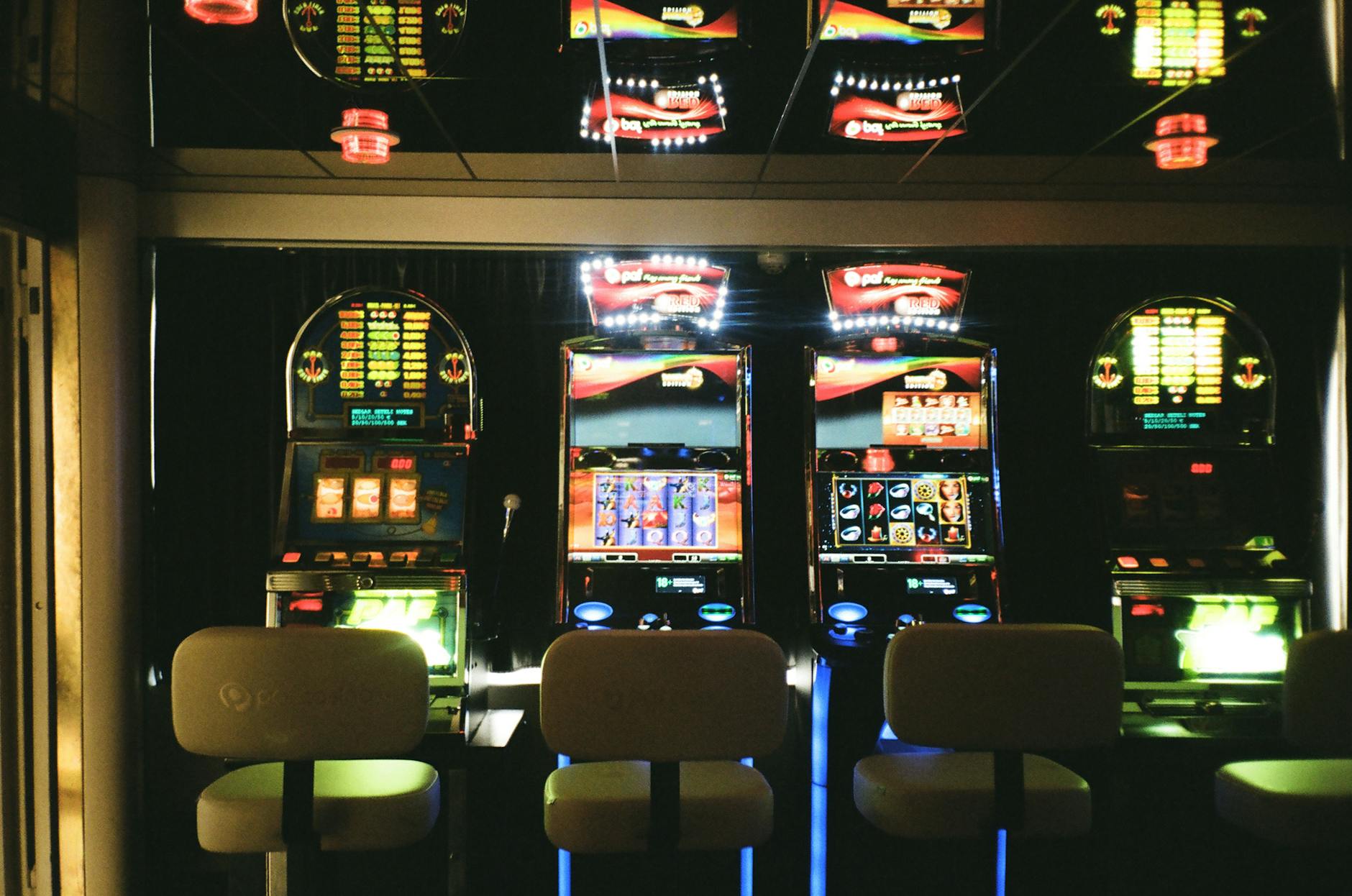

Skill games in Pennsylvania are hard to miss. The machines show up in convenience stores, bars, pizza shops, and truck stops across the state, flashing lights and promising payouts to anyone who presses play. What's genuinely hard to find is a straight answer about what they are, whether they're legal, and what that means for the people playing them or operating them. The short version: it's complicated, and the rules have been shifting fast.
What skill games actually are
Skill games, sometimes called "Pennsylvania skill" machines after one of the dominant brand names, are electronic terminals that look a lot like slot machines but claim a key legal distinction: the outcome is determined partly by player skill, not pure chance. A player might need to stop a spinning reel at the right moment, solve a brief puzzle, or make a choice that influences the result. That distinction matters enormously under Pennsylvania law, which regulates games of chance through the Pennsylvania Gaming Control Board but has historically left games of skill in a murkier category.
The machines are manufactured by companies like Pace-O-Matic, which has been one of the most aggressive defenders of the skill-game model in Pennsylvania courts and in Harrisburg. Pace-O-Matic argues its terminals are legal under existing law. Casinos and the state lottery disagree, and they've funded significant lobbying efforts to have the machines banned or taxed into submission.
The legal fight that's been dragging on
Pennsylvania courts have issued conflicting rulings on skill games for years. In 2023, the Commonwealth Court ruled that skill games were illegal under the state's Crimes Code. Pace-O-Matic appealed, and the Pennsylvania Supreme Court took up the case. The back-and-forth has left operators in a genuinely uncertain position: some municipalities have moved to ban the machines locally, others have left them alone, and bar and restaurant owners have been caught in the middle, unsure whether the terminals they installed last year will be legal next year.
In Harrisburg, skill games regulation has been tucked into budget negotiations more than once. Proposals have ranged from full legalization with a licensing fee to outright prohibition. As of 2026, a comprehensive legislative resolution still hasn't passed, which means the machines continue to operate across Pennsylvania in a gray zone, tolerated in some jurisdictions and challenged in others. For a fuller breakdown of where the legal lines sit, this guide to whether skill games are legal in PA covers the court history and what Pittsburgh players specifically need to know.
What it means for Pittsburgh bars and businesses
Walk into a bar on the South Side or a gas station in Penn Hills and you'll likely see at least one skill game terminal. For small business owners, the machines are attractive: they generate revenue with minimal overhead, and the companies that place them typically share a cut of the take with the host location. That split is usually around 50/50, though terms vary by operator.
The risk is real, though. If Pennsylvania ultimately bans the machines or requires expensive licensing, operators holding terminals could face removal costs and lost income overnight. Some bar owners have pulled the machines preemptively. Others are waiting to see what Harrisburg does. The uncertainty has made skill games one of the more fraught conversations in Pittsburgh's small-business community, especially for spots that rely on that supplemental revenue to stay afloat.
For anyone spending time at Pittsburgh's best bars, it's worth knowing whether the establishment runs skill games, since a few neighborhoods have seen increased police attention around locations with the terminals, particularly when operators haven't been following whatever local rules exist.
How players should think about skill games
If you play skill games in Pennsylvania, a few things are worth keeping in mind. First, the "skill" element varies significantly by machine. Some terminals offer a genuine choice that affects the outcome. Others make the skill component so minimal that the distinction from a slot machine feels cosmetic. Courts have taken this seriously: the degree of skill actually required is one of the tests judges apply when evaluating whether a machine is legal.
Second, payouts from skill games are technically taxable income in Pennsylvania. The state doesn't have a formal reporting mechanism for skill game winnings the way casinos do with W-2G forms, but that doesn't make the income exempt. Players who win regularly should know that.
Third, the machines are not regulated for fairness the way Pennsylvania's licensed casinos are. The Pennsylvania Gaming Control Board oversees the state's 17 licensed casinos and enforces strict return-to-player standards. Skill game terminals operate outside that framework entirely, which means there's no independent audit of how often they pay out or how the odds are structured.
What a legislative fix could look like
The most discussed legislative path involves treating skill games like a new tier of gaming, with licensing fees, per-terminal taxes, and some form of oversight. A $2,000 per-machine annual fee has come up repeatedly in Harrisburg discussions, which would generate hundreds of millions of dollars for the state but would also push smaller operators out of the market. A higher fee structure would likely consolidate skill game operations around larger businesses that can absorb the cost.
Casinos want the machines gone or heavily taxed, since they compete directly for the same discretionary spending. The state lottery has made similar arguments. Independent bar and restaurant owners want a clear legal framework, almost any framework, so they can make real business decisions. That tension is why the legislative fix has taken so long.
For a closer look at how Pittsburgh players are navigating the day-to-day reality of skill games across the city's neighborhoods, the PA skill games Pittsburgh guide has detailed, practical information on where the machines show up and what players are actually experiencing.
The bottom line
Skill games in Pennsylvania are not illegal in any settled, final sense, but they're not clearly legal either. The machines are operating under a legal cloud that's been building for years and hasn't lifted. If you're a player, the practical risk is low: nobody is arresting people for putting quarters into a skill game terminal. If you're a business owner, the risk is higher and the uncertainty is real. And if you're watching Pennsylvania's policy landscape, skill games are one of the more interesting tests of how the state handles a technology that moved faster than the law did.