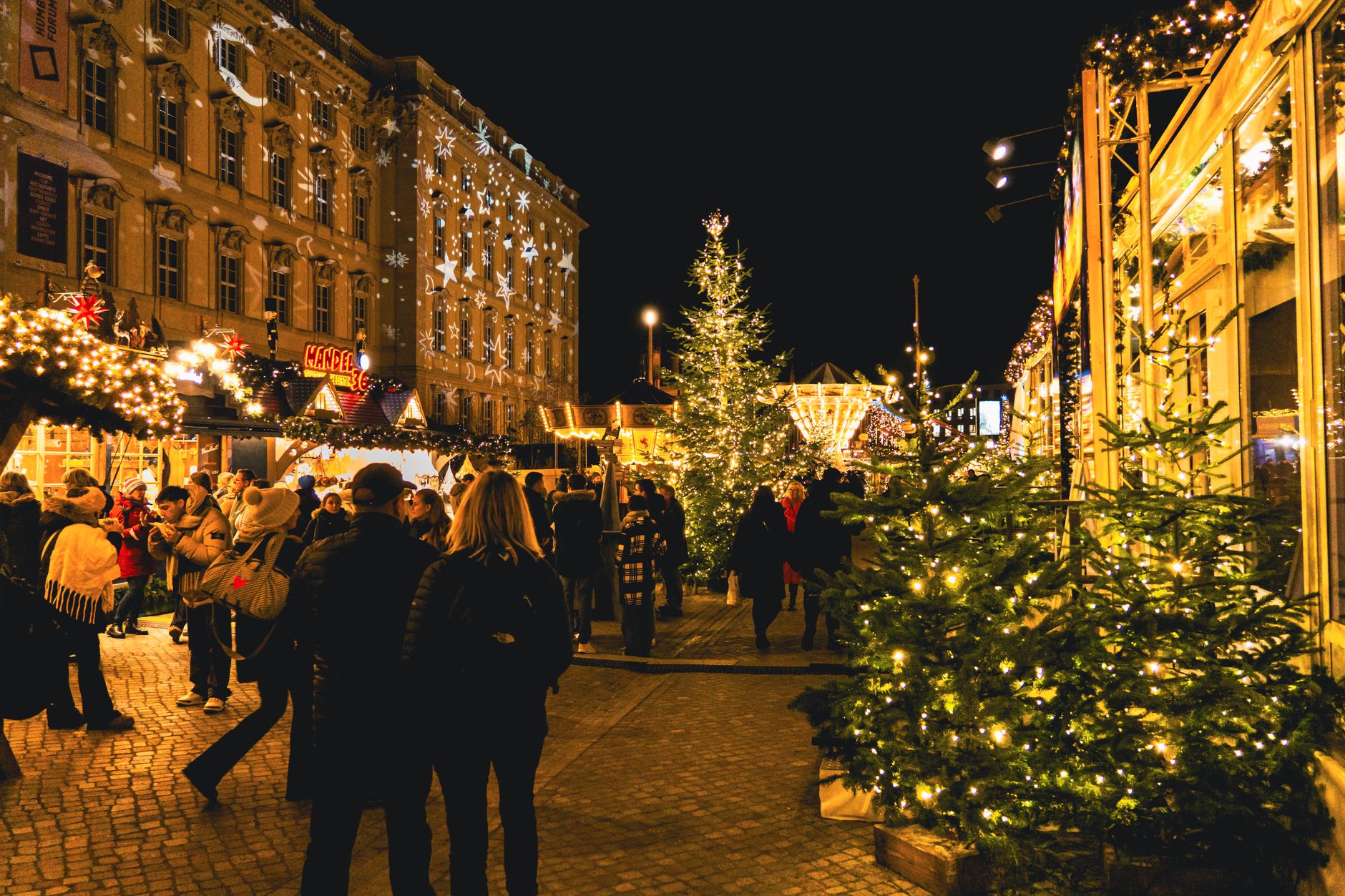

The Peoples Gas Holiday Market is one of the most anticipated events on Pittsburgh's annual calendar. Each winter, Market Square and the surrounding blocks of Downtown fill with wooden vendor stalls, twinkling lights, warm drinks, and the kind of festive energy that makes the city feel genuinely magical. For locals and visitors alike, it has become the unofficial starting pistol for the holiday season in western Pennsylvania.
What the market actually is
Modeled after the traditional German Christkindlmarkt, the Peoples Gas Holiday Market debuted in 2002 and has grown steadily in size and reputation ever since. The market is organized by the Pittsburgh Cultural Trust and runs for several weeks each November and December, anchored in the heart of Downtown. Unlike many American holiday markets that lean heavily on chain vendors and generic merchandise, Pittsburgh's version maintains a strong emphasis on local and regional makers, giving shoppers a genuine chance to find something they won't see anywhere else.
The layout stretches through Market Square and along Forbes and Fifth Avenues, creating a walkable circuit that rewards a slow pace. Dozens of booths sell everything from hand-blown glass ornaments and artisan jewelry to smoked meats, flavored nuts, and imported chocolates. The covered stalls give the whole thing a cozy, enclosed feel even on cold evenings, and the Market Square Christmas tree serves as the visual centerpiece.
Food and drink worth planning around
Half the appeal of any good holiday market is what you eat while you're there, and Pittsburgh's version delivers. Glühwein (warm spiced wine served in a keepsake mug) is the unofficial drink of the market, and the mugs themselves have become collector's items. Vendors rotate year to year, but you can reliably expect hearty German-style sausages, pierogies from local producers, Belgian-style waffles, roasted chestnuts, and a rotating selection of desserts and pastries. Vegetarian and vegan options have expanded in recent years as vendor selection has grown more diverse.
If you want to eat a full meal at the market rather than graze through snacks, arrive early on weekends. Lines at the most popular food stalls can stretch long by mid-afternoon, and some items sell out. Coming on a weekday evening is one of the better-kept secrets for enjoying the market without the crowd.
Getting there without the headache
Downtown Pittsburgh is well-connected by public transit, and the market is genuinely one of those situations where driving is the worst option. Parking in the Cultural District is limited and expensive during the holiday season, and traffic around Market Square backs up on busy evenings. The Pittsburgh Regional Transit system runs frequent service into Downtown from most neighborhoods, and the T light rail stops directly at Steel Plaza and Wood Street, both within easy walking distance of the market. If you're coming from the North Shore or another part of the city, the bus network covers you well.
For visitors who are new to the city, the market is also a perfect excuse to explore Downtown beyond the square. The Cultural District has galleries, theaters, and restaurants within a few blocks, and a pre-market dinner or post-market drink is easy to arrange. If you're still getting your bearings in Pittsburgh, the market sits squarely in the kind of walkable urban core that tends to surprise newcomers who come in with a suburban mindset. For more on settling into city life, what to expect in your first year in Pittsburgh covers the basics of navigating the city's neighborhoods and transit options.
Shopping tips for first-timers
The vendor lineup changes from year to year, so it's worth browsing the official market website before you go to see who's participating. A few practical notes: bring cash, because not every stall has reliable card readers (though most now accept payment apps). Wear comfortable shoes, since the market involves a lot of standing on cobblestone and pavement in the cold. And if you're buying fragile items like glass ornaments or pottery, ask vendors for extra wrapping. Many will pack items for travel if you're flying home with your finds.
Gift shopping at the market tends to feel less transactional than a mall run. Most vendors made what they're selling, or at least sourced it directly, which makes for better conversations and more interesting purchases. The market also draws a consistent crowd of Pittsburgh expats who come back specifically for it, treating the trip as part of their own holiday tradition.
Why it matters for the city
The Peoples Gas Holiday Market does more than provide a pretty backdrop for Instagram photos. It draws significant foot traffic into Downtown during a stretch of the year when retail and restaurant businesses depend on strong seasonal revenue. The Cultural Trust estimates the market brings hundreds of thousands of visitors into the urban core over its run, and the ripple effect on surrounding businesses is real. Restaurants along Penn Avenue and in the Strip District see spikes in dinner reservations on market nights, and the Strip District's weekend market culture runs parallel to the holiday spirit that the Peoples Gas market generates Downtown.
For a city that has worked hard to redefine its identity over the past few decades, the holiday market represents something genuinely useful: a recurring, high-visibility event that brings people together across neighborhoods and backgrounds and reminds them that Pittsburgh is a place worth celebrating. Whether you've been coming for twenty years or this is your first winter here, the market earns its reputation.