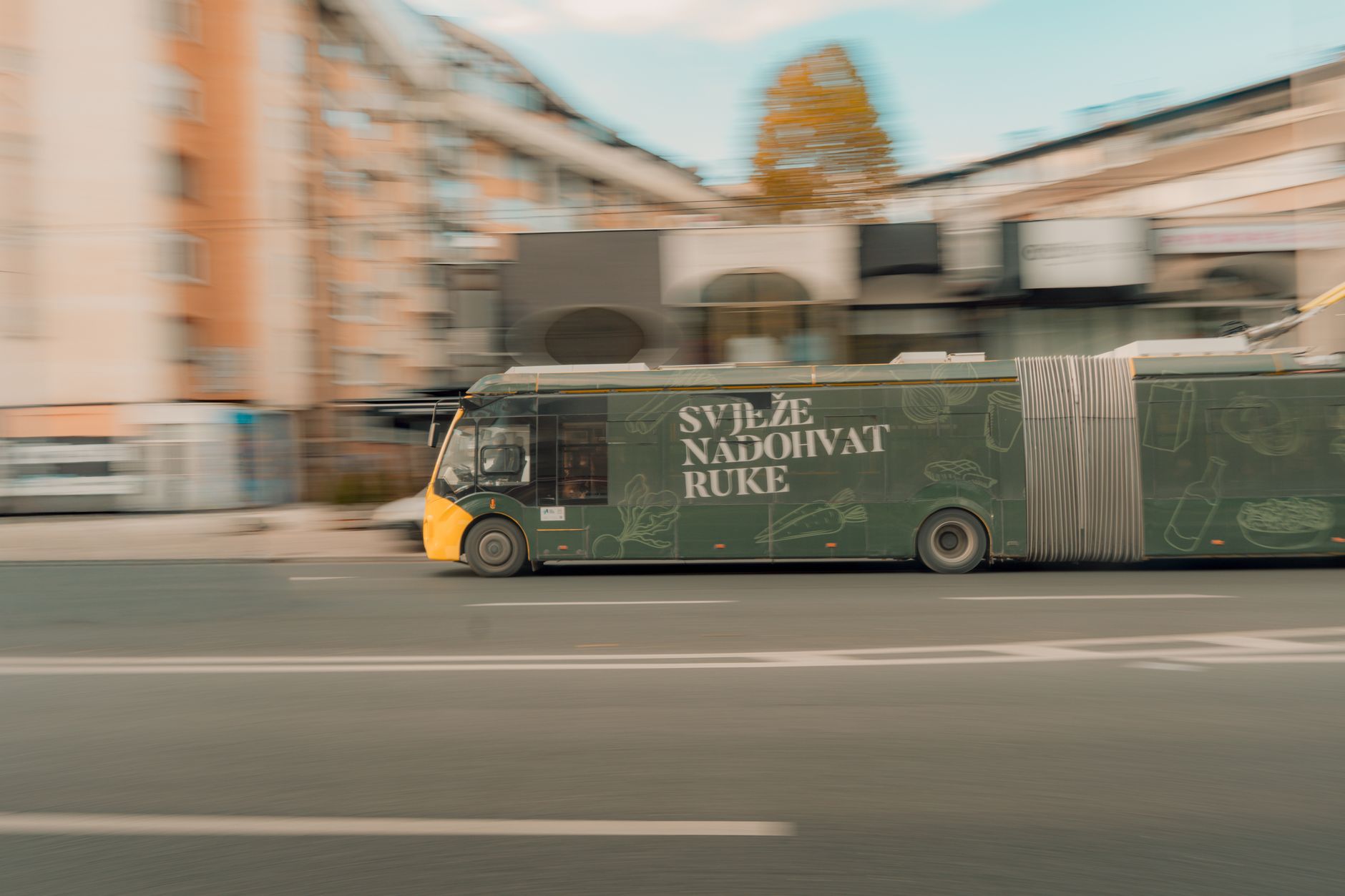

If you live in Squirrel Hill or spend any time in Oakland, you almost certainly know the 61C bus. It is one of Pittsburgh Regional Transit's most heavily used routes, running a corridor that cuts through the heart of the city's academic, medical, and residential neighborhoods. Whether you're a student catching a morning ride to Pitt, a nurse heading to UPMC, or a resident making a quick trip Downtown, the 61C is often the fastest way to get there without a car.
Where the 61C bus goes
The 61C operates along Forbes Avenue and Murray Avenue, connecting Squirrel Hill with the Oakland neighborhood and continuing into Downtown Pittsburgh. The route begins near Murray Avenue and Beechwood Boulevard in Squirrel Hill, passes through the commercial core of Squirrel Hill, rolls through Schenley Farms and the University of Pittsburgh area, and terminates at stops in Downtown's central business district. In the other direction, the same route reverses back into Squirrel Hill. The corridor it covers is dense with everyday destinations: grocery stores, restaurants, libraries, universities, hospitals, and parks all sit within a short walk of its stops.
How frequent is service?
During weekday peak hours, the 61C typically runs every 8 to 12 minutes along the Forbes Avenue corridor, which makes it genuinely useful as a car-free commute option. Off-peak service on evenings and weekends runs less frequently, roughly every 15 to 30 minutes depending on the time of day. Real-time arrival data is available through the Pittsburgh Regional Transit app and third-party apps that pull from the agency's live feed, which helps riders avoid long waits at busy stops like Murray and Forbes or Atwood Street in Oakland. For a deeper look at how the Port Authority's broader network is structured, the Pittsburgh Regional Transit system overview is worth reading before you plan your first few trips.
Key stops along the route
A few stops stand out as the ones most riders will encounter most often:
- Murray and Forbes (Squirrel Hill core): The commercial heart of Squirrel Hill, steps from grocery stores, coffee shops, and the local branch library. This is the busiest boarding point in the neighborhood.
- Forbes and Wightman: A quieter stop serving residential Squirrel Hill, popular with families and commuters from the surrounding blocks.
- Forbes and Morewood (Oakland): Carnegie Mellon University territory. Students and faculty fill buses here during the academic year.
- Atwood and Forbes (Oakland): Deep in Oakland's student neighborhood, near Pitt's campus and a cluster of clinics and eateries.
- Fifth and Forbes (Downtown): The final stretch Downtown, where the 61C connects to a web of other routes across Allegheny County.
Living life on the 61C
Ask any regular rider what they love about the 61C and you'll get a quick answer: the route goes exactly where most people need to go, without requiring a transfer. That directness is rare. The Forbes Avenue corridor is one of the most walkable, transit-rich spines in all of Pittsburgh, and the 61C follows it faithfully. You can board in Squirrel Hill, grab a seat, and be in the middle of Oakland in under 15 minutes during a decent traffic window.
But riders will also tell you about the realities. Forbes Avenue through Oakland is one of the most congested stretches of road in the city, especially during university move-in, Pitt football Saturdays, and the afternoon rush. Buses can bunch up, leaving long gaps followed by two or three coaches arriving in quick succession. Experienced riders learn to check real-time arrivals, board at upstream stops when possible, and build in buffer time for appointments that can't be missed.
The 61C is also a window into Oakland's social fabric. The route passes within a few blocks of The Porch at Schenley, one of Oakland's most popular gathering spots, and riders often spill out at that end of Forbes to meet friends or grab lunch before heading back to Squirrel Hill. Oakland's density means there's almost always something going on along the route, and the bus becomes a kind of shared commute for the whole neighborhood ecosystem.
Tips for new riders
If you're new to Pittsburgh or just haven't used the 61C before, a few practical notes will save you time and confusion:
- Use the PRT app or Google Maps for live arrival times. Printed schedules are useful for understanding frequency, but real-time tracking is what you'll rely on day to day.
- Contactless payment works. Pittsburgh Regional Transit accepts the ConnectCard (a reloadable transit card), exact cash, and in most cases mobile payment at the farebox. Loading value onto a ConnectCard saves money over time.
- Peak-hour standing room is common. The 61C runs full during morning and afternoon rush. If you have flexibility, a departure 20 to 30 minutes outside peak windows will often land you a seat.
- The 61C is part of a family of routes. The 61A, 61B, and 61D serve related corridors and overlap in parts of Oakland and Downtown. If you're flexible on destination, one of the sibling routes might arrive faster at a given moment.
The 61C and the broader case for Pittsburgh transit
The 61C has been a fixture of Pittsburgh's transit landscape for decades. Its longevity reflects how durable the Oakland-Squirrel Hill corridor is as a residential and institutional spine. As Pittsburgh has grown its tech sector and attracted more young professionals to neighborhoods across the East End, routes like the 61C have quietly become more important, not less. New residents moving to Pittsburgh for the first time often discover the 61C within their first week and quickly add it to their mental map of how the city works. For a broader sense of what life looks like in that first year of navigating Pittsburgh's neighborhoods and transit grid, the guide to moving to Pittsburgh covers a lot of the same territory.
Pittsburgh is not a city where car-free living is easy everywhere, but along the Forbes Avenue corridor it comes close. The 61C is a big reason why. It's frequent enough to rely on, direct enough to make sense, and busy enough to feel like a shared civic experience every time you ride it.