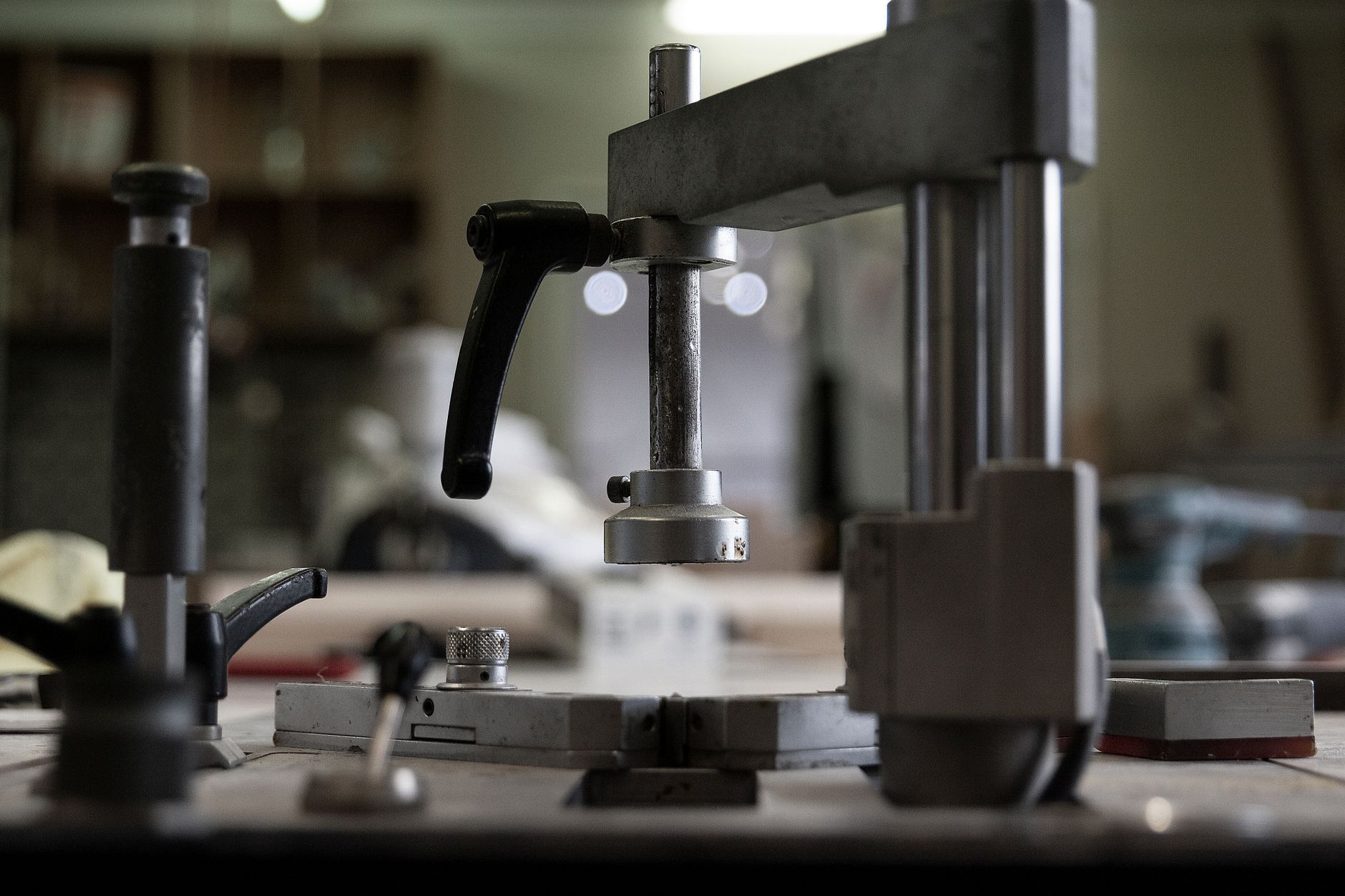

Pittsburgh's tool library network doesn't show up in the tourism brochures, but for renters patching up apartments, homeowners tackling weekend projects, and artists building installations on a budget, it's one of the most useful resources the city offers. Borrow a drill press for a weekend, return it Monday, and pay nothing or close to nothing. It's the kind of civic infrastructure that sounds almost too sensible to be real.
What a tool library actually is
A tool library works like a public library, but the inventory is hardware instead of books. Members pay an annual fee, sometimes as low as $25, and in return they can borrow drills, sanders, circular saws, tile cutters, pipe wrenches, and dozens of other tools for short loan periods. Some programs operate out of community centers; others run through neighborhood associations or makerspaces. The model keeps costs down for borrowers and keeps tools circulating rather than sitting idle in garages 50 weeks a year.
Pittsburgh doesn't have one central municipal tool library the way some cities do. It has a patchwork of programs spread across neighborhoods, each with its own focus and membership structure. Knowing which one to use depends on where you live and what you're building.
Where to find them in Pittsburgh
The Pittsburgh Community Tool Bank, operated through the Citiparks system, is the most established entry point. It serves Pittsburgh residents directly, with a lending catalog that covers general home repair and landscaping equipment. Membership is income-scaled, which makes it genuinely accessible to the renters and low-income homeowners who need it most. Tools go out for three-day loan periods. Most members pick up in person; there's no mail delivery.
Separate from Citiparks, South Side Works Community Workshop and a handful of neighborhood makerspaces in Bloomfield and Lawrenceville maintain shared tool inventories for members. The makerspaces tend to stock more specialized equipment: laser cutters, woodworking lathes, welding gear. Access typically requires a higher monthly membership, but the inventory is deeper for anyone doing fabrication work rather than basic home repair.
Garfield has its own smaller informal lending culture. Several blocks around Penn Avenue have residents who've organized neighborhood-level tool shares through group chats and community boards, with no formal membership fee at all. It's hyper-local and not always easy to find from the outside, but Garfield's dense, walkable character makes that kind of informal infrastructure possible in a way that car-dependent suburbs can't replicate.
What you can borrow
The typical tool library catalog in Pittsburgh covers three broad categories. First: fastening and cutting basics, meaning drills, jigsaw, reciprocating saws, brad nailers. Second: finishing tools, including random orbital sanders, paint sprayers, and drywall finishing knives. Third: specialty items that almost nobody owns but everyone eventually needs, like tile saws, pipe threaders, and post-hole diggers.
A few programs also stock pressure washers and small landscaping equipment, which matters for the many Pittsburgh rowhouse owners who have concrete steps and tiny backyards they can't justify buying a full toolkit to maintain. Borrowing a pressure washer twice a year costs far less than owning one.
What you won't find at most Pittsburgh tool libraries: power tools that require on-site training, like table saws or miter saws with 12-inch blades. Some makerspaces lend these after a paid safety orientation, but the community tool banks tend to stick to equipment a first-timer can use safely without instruction.
Who uses them and why it matters
Renters are the most obvious beneficiaries. Pittsburgh's rental market tends to put residents in older rowhouse stock where landlords are slow to make repairs, and being able to borrow a drain snake or a stud finder changes what a tenant can do for themselves. Buying a full toolkit for a two-year lease makes no economic sense. Borrowing one does.
Small artists and makers use tool libraries differently: they need a specific piece of equipment for one project and have no interest in storing it afterward. Pittsburgh has a strong community of people building furniture, props, and installation work who treat tool libraries the way a professional kitchen treats a restaurant supply house. Short-term access to the right tool beats long-term ownership of the wrong one.
Homeowners on fixed incomes, particularly in neighborhoods like Polish Hill and Hazelwood where older housing stock requires constant maintenance, use tool libraries to stay ahead of repairs they'd otherwise defer until the problem grew. A borrowed pipe cutter and a YouTube tutorial have kept more than a few Pittsburgh basements from flooding.
How to get started
Start with Citiparks. If you live within Pittsburgh city limits, the Pittsburgh Community Tool Bank is the most direct path and has the most straightforward membership process. Bring proof of address and a city ID if you have one.
If you're outside city limits or need more specialized equipment, search for makerspaces in your nearest dense neighborhood. Lawrenceville, Bloomfield, and South Side all have active fabrication communities with shared tool access baked into their membership models. Most hold open-house nights monthly where you can tour the space before committing to a membership.
Return tools on time and in working order. Tool libraries live or die on trust and a consistent return rate. A member who holds a drill past its loan period is a member who's preventing someone else from starting their project. The social contract is simple and the communities are small enough that reputation matters.
The bigger picture
Pittsburgh's tool library network is part of a broader city habit of building collective infrastructure where individual ownership would be wasteful. The same logic drives the city's winter CSA shares and its urban growing culture in neighborhoods like Lawrenceville. Resources that nobody needs every day are better shared than stockpiled. A drill sits idle 364 days a year for most households. In a tool library, it doesn't.
The network is still thin compared to cities like Portland or Denver, which have fully municipally funded tool lending programs with dedicated storefronts and paid staff. Pittsburgh's version is patchy, neighborhood-dependent, and volunteer-heavy. But it exists, it works, and for the residents who find it, it changes what's possible to build and fix without spending money they don't have.