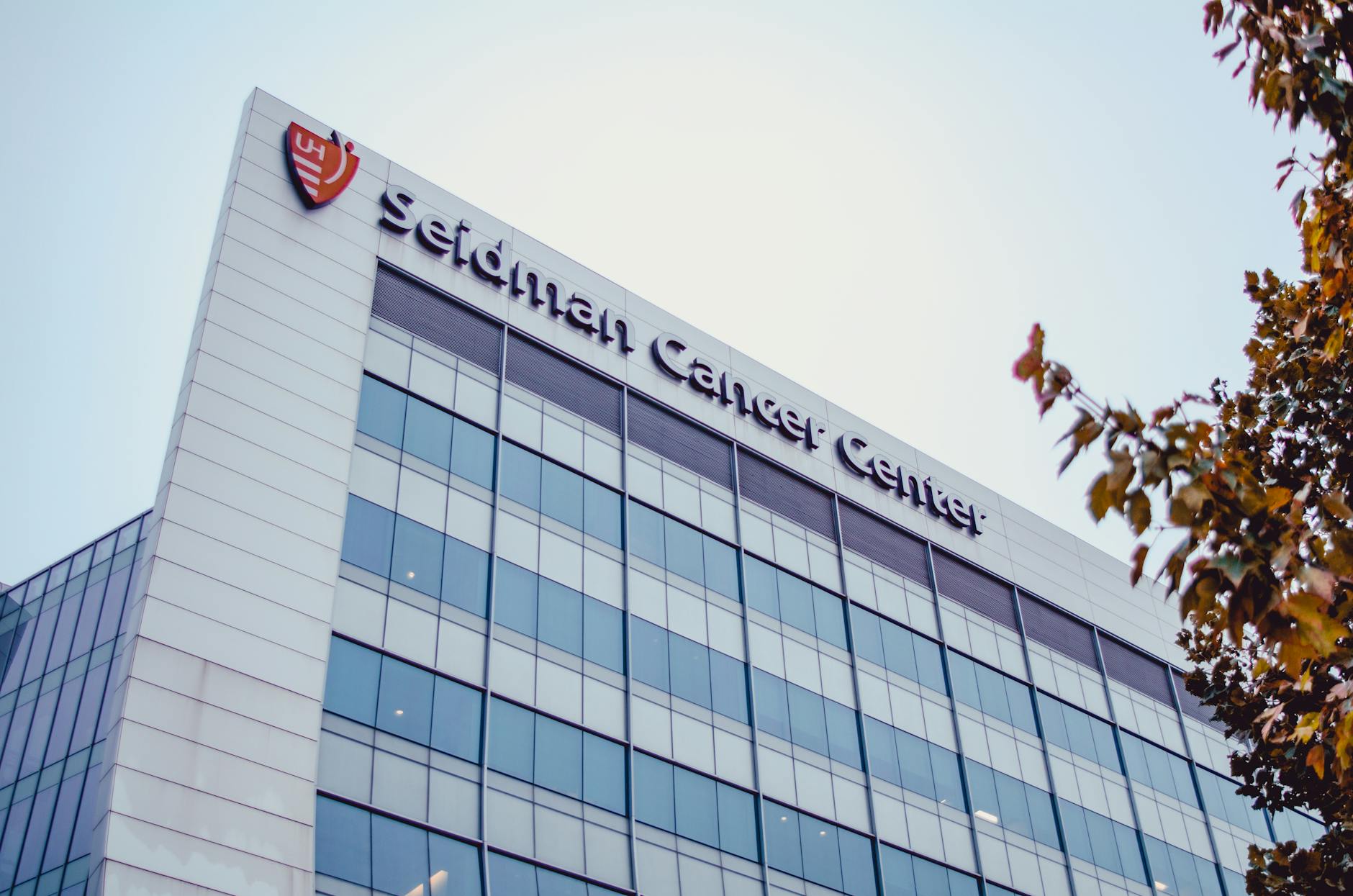

Hillman Cancer Center sits in Oakland at the corner of Fifth Avenue and Centre Avenue, and its presence defines a significant stretch of Pittsburgh's medical corridor. Operated by UPMC in partnership with the University of Pittsburgh, Hillman Cancer Center serves as the region's primary hub for cancer research, diagnosis, and treatment. For patients coming from across western Pennsylvania and beyond, it's often the first call they make when a diagnosis lands.
What Hillman Cancer Center actually does
Hillman Cancer Center functions as a comprehensive cancer center, which is a specific federal designation. The National Cancer Institute grants that designation only to institutions that meet strict standards for research depth, clinical breadth, and community outreach. UPMC Hillman Cancer Center holds that designation, putting it in a group that includes fewer than 60 centers nationwide.
On any given day, Hillman Cancer Center runs clinical trials for patients who want access to treatments not yet in standard rotation. The center's research teams work across oncology disciplines: immunotherapy, genomics, radiation biology, and surgical innovation. That research doesn't stay in the lab. Hillman Cancer Center connects trial results to bedside care faster than most standalone hospitals can manage, largely because the University of Pittsburgh's School of Medicine sits a few blocks away and feeds directly into the center's physician pipeline.
Patients at Hillman Cancer Center also get access to a multidisciplinary team model, which means a medical oncologist, radiation oncologist, surgeon, and palliative care specialist can all weigh in on the same case without the patient bouncing between offices across the city. That coordination is one of the things people who've been through the system mention most.
The Oakland location and what surrounds it
Oakland is already Pittsburgh's densest concentration of hospitals, universities, and research institutions. Hillman Cancer Center's address puts it within walking distance of UPMC Presbyterian, Magee-Womens Hospital, and the main campus of the University of Pittsburgh. That proximity matters for patients doing daily radiation treatment, for researchers sharing equipment and data, and for the rotating population of medical students and fellows who move between buildings.
The neighborhood itself has changed considerably over the past decade. As Pittsburgh's neighborhoods continue to evolve, Oakland has absorbed significant investment in housing, transit, and retail, making it easier for long-term patients to find accommodation nearby. Several extended-stay options have opened within a mile of the cancer center specifically because of the steady demand from out-of-town patients and their families.
Public transit access is real. The 61C bus and other Port Authority routes connect Oakland to Squirrel Hill, Shadyside, and Downtown, which matters for patients who can't drive during treatment. Parking on Fifth Avenue remains a challenge, but the center's parking garage handles most of the daily patient volume.
Research programs worth knowing about
Hillman Cancer Center runs several nationally recognized programs. The center's lung cancer program has produced research cited in treatment guidelines used across the country. Its melanoma program is similarly prominent. The cancer immunology work happening in its labs connects to broader efforts at Pitt's UPMC Hillman Cancer Center research campus, where faculty are investigating how the immune system can be redirected to fight tumors without the toxicity that traditional chemotherapy carries.
The center also runs a cancer prevention and early detection program. This isn't just screening reminders. Hillman Cancer Center runs hereditary cancer clinics for people with BRCA1, BRCA2, and Lynch syndrome mutations, giving families a place to assess their risk and build a surveillance plan before a diagnosis is ever made.
Support services for patients and families
Getting a cancer diagnosis and then managing treatment logistics are two different problems. Hillman Cancer Center addresses the second one through a set of support services that are less visible than the clinical work but just as important to patients. Social workers on staff help with insurance navigation, transportation coordination, and connecting families to housing resources. The Caring Foundation runs a financial assistance program for patients who need help covering out-of-pocket costs during treatment.
Hillman Cancer Center also maintains a network of satellite locations across the Pittsburgh region, from Passavant in the North Hills to Jefferson in the South Hills and Washington in Washington County. That footprint means patients who live outside Oakland can receive infusion therapy or follow-up care close to home and only make the trip to the main center for procedures that require its full infrastructure.
What it means for the Pittsburgh region
A cancer center of this scale changes what's possible for a city. Patients who would otherwise travel to Philadelphia, Cleveland, or Baltimore for specialized care can receive it in Pittsburgh. That keeps families together during treatment, reduces the financial burden of travel, and feeds research data back into Hillman Cancer Center's own clinical trial pipeline.
Pittsburgh has been building its medical and research identity for decades, and Hillman Cancer Center is one of the clearest examples of that investment paying off. For people moving to Pittsburgh and weighing which city offers the strongest healthcare infrastructure, an NCI-designated comprehensive cancer center is a meaningful part of that calculation. It's the kind of institution that doesn't make headlines often, but shapes the city's quality of life in ways that compound over time.
The center continues to expand its clinical trial portfolio and has added immunotherapy capacity in recent years. For patients and families in western Pennsylvania, that means more options, closer to home.