Pittsburgh's biotech sector doesn't get the same attention as the city's robotics labs or its software startups, but the science running through Oakland and the broader Allegheny County corridor is quietly producing companies that matter at a national scale. Alloy Therapeutics is one of them. The company builds shared platform technologies for antibody drug discovery, essentially giving smaller biotech firms access to the same quality of research tools that only large pharmaceutical companies could historically afford. It's a model with serious implications for how new drugs get made, and how fast they reach patients.
What Alloy Therapeutics actually does
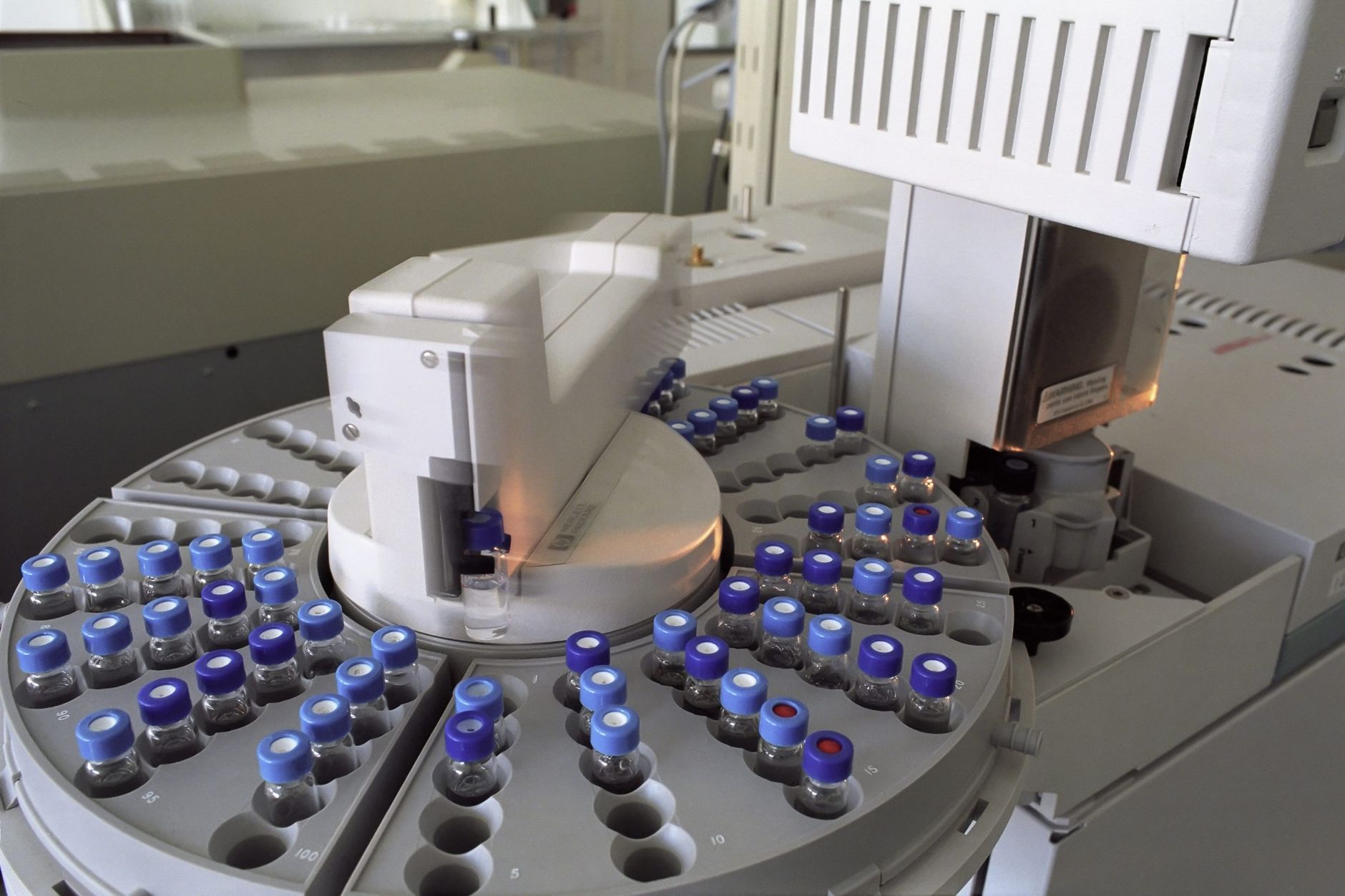
Antibody-based drugs are among the most effective treatments in modern medicine, used to fight cancer, autoimmune conditions, and infectious diseases. Developing them is expensive, technically complex, and often redundant: dozens of biotech companies build similar foundational tools from scratch rather than sharing infrastructure. Alloy Therapeutics challenges that model directly. The company develops and licenses transgenic mouse platforms, meaning genetically engineered mice that produce human-compatible antibodies. Biotech partners access Alloy's platforms under an open-ecosystem model instead of paying for exclusive rights, which lowers barriers and speeds up research timelines across the board.
That sounds like a licensing business. In practice, it functions more like a research utility. Alloy Therapeutics gives smaller biotechs a fighting chance at building antibody candidates they couldn't have generated with their own resources, and it captures value from the breadth of partnerships rather than from locking any single one in. The company has signed deals with biotech firms across the United States and Europe, and its platform has contributed to programs targeting some of the hardest disease categories in drug development.
The founder behind the model
Tillman Gerngross co-founded Alloy Therapeutics after a career that included leading GlycoFi, a biotech he started at Dartmouth that was acquired by Merck in 2006 for $400 million. Gerngross is a chemical engineer by training who spent years thinking about the economics of biologics manufacturing before turning his attention to the antibody discovery problem. His core argument is practical: the drug industry wastes enormous resources on duplicated foundational work. Sharing those platforms doesn't reduce competitive advantage. Drug companies compete on clinical insight, patient selection, and execution, not on who built the mouse model.
Pittsburgh fits that thesis. The city's academic medical corridor, anchored by the University of Pittsburgh and Carnegie Mellon University, produces the kind of cross-disciplinary talent and research infrastructure that biotech companies need close at hand. Alloy Therapeutics has drawn on that ecosystem, and its growth reflects the broader maturation of Pittsburgh as a life sciences address, not just a technology one.
Why this matters for Pittsburgh's biotech future
The city's tech scene tends to get narrated through autonomous vehicles and AI, and those stories are real. But Pittsburgh's life sciences presence is expanding on its own track. The top tech companies shaping Pittsburgh in 2026 include a growing number of biotech and medtech firms, not just software businesses, and Alloy Therapeutics represents a model that's genuinely different from the venture-backed sprint-to-acquisition pattern that defines most biotech stories.
Alloy Therapeutics built its platform to be shared by design. That's unusual. Most biotech companies treat their core technologies as moats. Alloy treats them as infrastructure, and charges for access rather than exclusivity. That distinction matters for the ecosystem as a whole, because it means the company's success doesn't require that its partners fail. It's closer to the model Duolingo used when it began opening its Pittsburgh research to external collaborators: a bet that generosity at the platform level pays off at the scale level. Duolingo's Pittsburgh incubator operates on a similar instinct, investing in local talent rather than treating the city purely as a cost center.
Where Alloy Therapeutics stands now
Alloy Therapeutics has raised significant venture funding and expanded its platform portfolio to include multiple transgenic rodent systems, cell line development tools, and discovery services. The company's partner network spans academic institutions, biotech startups, and mid-size pharmaceutical companies. Partnerships now number in the dozens, which means the platform's influence on drug pipelines is wider than any single headline would suggest.
The antibody drug market itself is growing. Analysts track it in the hundreds of billions of dollars globally, and the discovery phase, where Alloy operates, remains one of the most expensive and time-consuming parts of the pipeline. A company that credibly reduces that cost and timeline without sacrificing scientific quality has a structural advantage that compounds with every new partner it signs.
Gerngross has been direct in interviews about his frustration with how the industry allocates resources. His argument isn't ideological. It's economic. Redundant infrastructure is a waste, and waste in drug development ultimately lands on patients, either through higher prices, slower approvals, or programs that never get funded because the upfront cost was too high. Alloy Therapeutics is his answer to that problem, and it's being built, in part, in Pittsburgh.
What it tells us about Pittsburgh's founder culture
Pittsburgh keeps producing founders who think in systems rather than products. That's not an accident. The city's engineering culture, rooted in Carnegie Mellon and Pitt but extending into labs, hospitals, and industrial corridors, trains people to look at how things work at a fundamental level before deciding what to build. Alloy Therapeutics reflects that instinct. Gerngross didn't ask what drug to develop. He asked why the tools for developing drugs were so expensive and so duplicated, and then built a company around the answer.
That's the kind of founder story Pittsburgh keeps generating, and the kind the city's biotech ecosystem needs more people to know about.