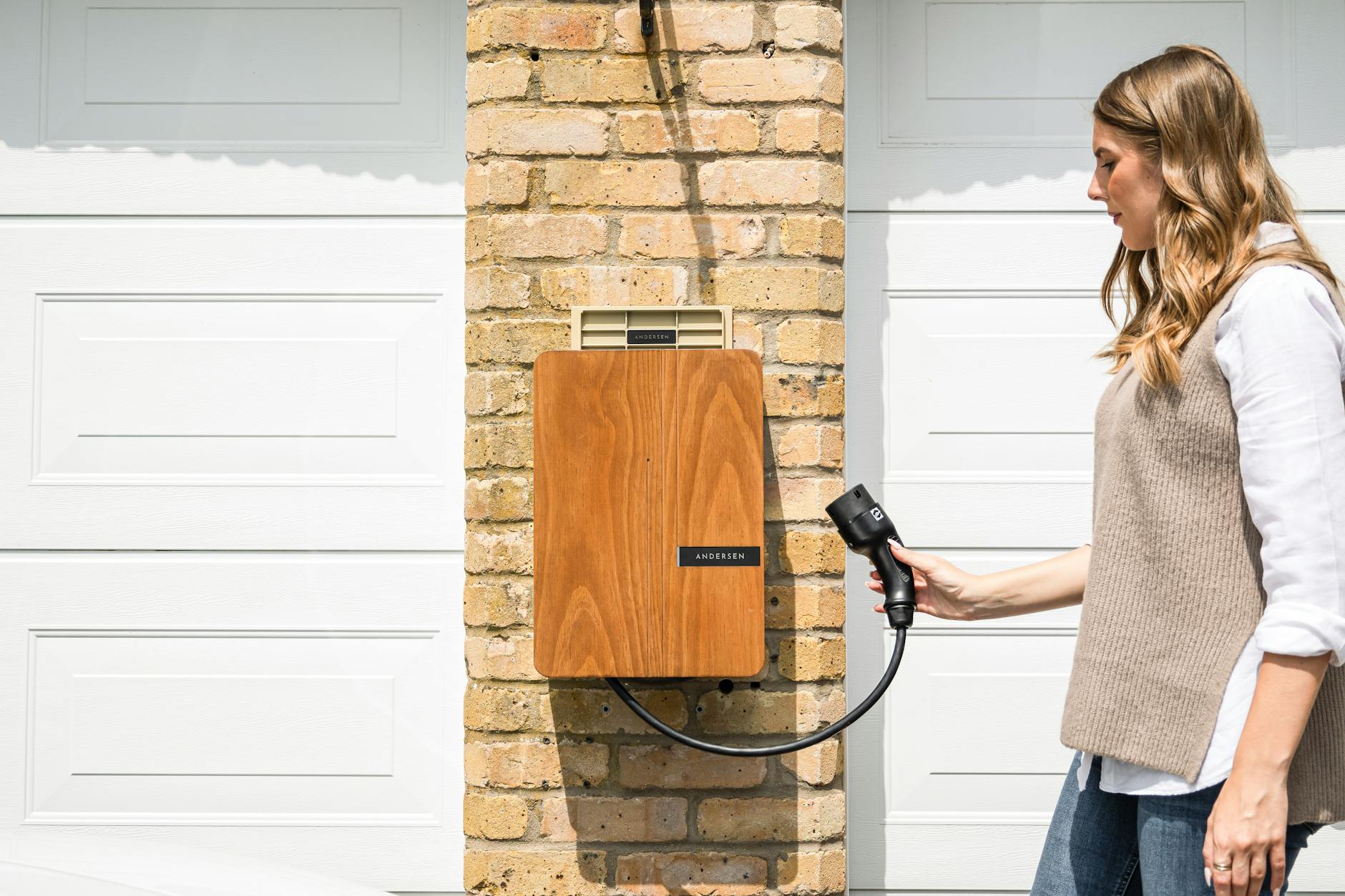

The Tesla high power wall connector cost catches a lot of EV buyers off guard. The unit itself lists at $475 on Tesla's website, but that number doesn't include the electrician, the panel work, or the permit that your municipality will require before anyone switches the breaker on. In Pittsburgh and the surrounding Allegheny County suburbs, the full installed price typically lands between $1,000 and $2,000, and some older homes push past that.
What the hardware actually includes
The Tesla Wall Connector ships with the mounting bracket, an 18-foot charge cable, and a 24-foot cable option depending on the configuration you order. It supports up to 48 amps on a dedicated 60-amp circuit, delivering roughly 44 miles of range per hour of charging. That's fast enough that most drivers wake up to a full battery regardless of what time they plugged in.
Tesla sells the unit directly. There's no retailer markup to worry about, and the price has held steady at $475 for the Gen 3 model. The Wi-Fi connectivity and over-the-air update support are built in, so you won't pay extra for those.
Installation costs in Pittsburgh
Labor is where the budget variance lives. A licensed electrician in Pittsburgh charges between $75 and $150 per hour, and a straightforward installation on a newer home with a 200-amp panel takes 2 to 4 hours. That puts labor alone at $150 to $600 on the low end.
Older housing stock complicates things. Pittsburgh has a lot of it. Homes in Squirrel Hill, Shadyside, and the North Side frequently carry 100-amp panels that can't safely support a 60-amp EV circuit without an upgrade. A panel upgrade from 100 to 200 amps runs $1,500 to $3,000 from most Allegheny County electrical contractors. It's a separate project, not a line item in the charger install.
If the garage or driveway where you park is more than 30 feet from the panel, the electrician will need to run conduit. Expect $3 to $8 per linear foot for that work. It adds up on properties where the garage sits behind the house.
Permit fees and inspection requirements
Pittsburgh and its surrounding municipalities require an electrical permit for any new circuit installation. The City of Pittsburgh typically charges $50 to $150 for a residential EV charger permit. Suburban municipalities vary: Mt. Lebanon, Peters Township, and Upper St. Clair each set their own fee schedules, and some require a separate inspection after the work is done.
Skip the permit and you risk problems when you sell the home. Any buyer's inspector will flag an unpermitted circuit, and your homeowner's insurance may deny a claim connected to unpermitted electrical work. The permit is worth the paperwork.
If you're still getting a feel for what homeownership costs in this city overall, the breakdown in what it actually costs to live in Pittsburgh is a useful starting point for thinking about infrastructure spending like this.
Rebates and incentives available right now
The federal tax credit for EV charging equipment was renewed under the Inflation Reduction Act. Homeowners can claim 30% of the combined cost of the hardware and installation, up to $1,000. That credit applies to your federal income tax bill for the year the equipment is placed in service.
Duquesne Light, which serves most of Pittsburgh proper, runs periodic rebate programs for home EV charger installation. The rebate amounts shift year to year, so check directly with Duquesne Light before you schedule the install. West Penn Power customers in the eastern suburbs have access to similar programs through FirstEnergy.
Pennsylvania doesn't currently offer a separate state-level EV charger credit, but the federal credit alone can bring a $1,800 installed project down to roughly $1,260 out of pocket. That's a meaningful reduction.
Realistic total cost ranges
For a newer Pittsburgh home with a 200-amp panel and a garage within 20 feet of the electrical room, the all-in cost runs about $900 to $1,200 before the federal credit. A home that needs a panel upgrade should budget $2,500 to $4,500 for the combined project. Conduit runs, drywall repair, and outdoor weatherproofing for a driveway installation add another $200 to $600 depending on complexity.
Pittsburgh's neighborhoods are in the middle of a sustained reinvestment cycle, and EV charger installations are tracking that growth. The contractors doing this work are busy. Book 3 to 4 weeks out, and get at least two quotes. Prices for the same scope of work can differ by $400 or more between shops, and the lower bid isn't always the faster one. If you're thinking about the broader picture of what's changing in Pittsburgh's residential fabric, the piece on Pittsburgh's neighborhoods on the rise gives useful context on where that investment is concentrating.
The Tesla Wall Connector is a reliable piece of hardware with a transparent price tag. The variables are in your home's electrical infrastructure, your distance from the panel, and which contractor you call first.