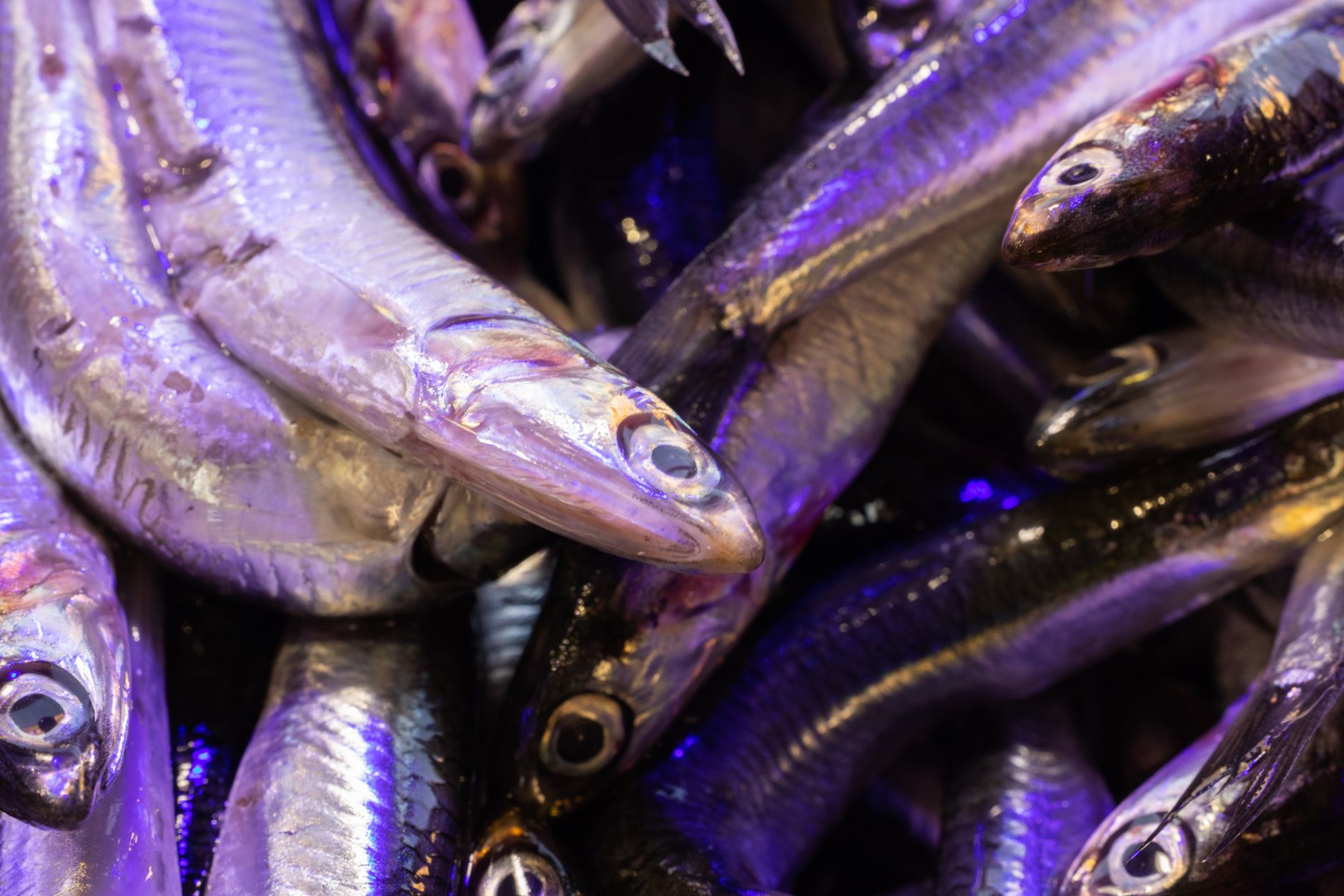

Fet fisk, the Scandinavian category covering rich, oily fish like mackerel, salmon, sardines, and herring, has long been considered a European pantry staple. In Pittsburgh, it's becoming something else: a marker of serious cooking. A handful of restaurants and markets across the city now treat these fish with the care they deserve, curing, smoking, or simply sourcing them well enough that a plate of fet fisk rivals anything you'd find in a coastal city.
What "fet fisk" actually means
The phrase translates directly from Norwegian and Danish as "fat fish" or "oily fish." It covers species with a high fat content: salmon, mackerel, herring, anchovies, and sardines. These fish carry omega-3 fatty acids in their flesh, which gives them their characteristic richness and depth of flavor. They also cure, smoke, and pickle exceptionally well, which is why Scandinavian, Japanese, and Mediterranean traditions all built significant food cultures around them. The term isn't widely used on Pittsburgh menus, but the fish themselves show up under other names at spots that know what they're doing.
Where to find serious oily fish in Pittsburgh
The Strip District is the most reliable starting point. Pennsylvania Macaroni Company stocks tinned anchovies and sardines from Spanish and Portuguese producers, including high-quality options packed in olive oil that bear no resemblance to the flat, salty tins most people grew up with. A few doors down, Wholey's Fish Market keeps an impressive fresh counter, with whole mackerel available most days and smoked trout and whitefish year-round. Wholey's is one of the few places in Pittsburgh where you can point at a whole, glistening mackerel and have it broken down in front of you.
Indian Emporium in the Strip District carries dried and tinned fish options that cross into the same oily, deeply flavored territory, particularly for South Asian preparations where mackerel and sardines are treated as pantry staples rather than luxuries.
Restaurants doing it right
The sushi scene has done the most to rehabilitate oily fish in Pittsburgh. Several of the city's best sushi spots feature saba (mackerel) as a nigiri option, either cured lightly in vinegar or served with ginger and citrus. Mackerel done this way is a legitimate test of a sushi kitchen: its fat content means it oxidizes fast, so freshness is non-negotiable. When it's handled correctly, saba nigiri is one of the most satisfying bites in Japanese cuisine.
Beyond sushi, a few of Pittsburgh's more thoughtful full-service restaurants have started incorporating anchovy and sardine preparations into their menus without burying the ingredient. A well-placed anchovy in a butter sauce or a grilled sardine over toast is a chef making a deliberate choice. Pittsburgh diners who've been eating at the more ambitious spots in Lawrenceville and the East End have grown accustomed to these appearances.
Tinned fish: the easiest entry point
The tinned fish trend that swept American food culture in the past few years hasn't fully bypassed Pittsburgh. A few shops and wine bars in the city now stock Spanish conservas alongside natural wine, which is exactly the pairing those products are designed for. Smoked mussels, oil-packed sardines, and mackerel fillets in tomato sauce are all commercially available versions of fet fisk that require no cooking at all.
For anyone building a home pantry around these ingredients, the Strip District market corridor on a Saturday morning is the most efficient single stop in the city. You can pick up tinned Spanish anchovies, fresh whole mackerel from Wholey's, smoked trout from the deli counter at Pennsylvania Macaroni, and crusty bread from one of the bakery stalls nearby. That's a full fet fisk spread without a reservation.
Why this matters for Pittsburgh's food scene
Pittsburgh's restaurant community has grown dramatically over the past decade, and the emergence of serious oily fish preparations is a small signal of something larger. Chefs here are sourcing more intentionally, diners are more curious, and the ingredients that once felt niche are arriving with better provenance and better handling. Mackerel isn't a novelty in Pittsburgh anymore. It's a real option.
The city's Lawrenceville dining corridor in particular has become a place where chefs take ingredient-driven risks that wouldn't have worked here ten years ago. A whole grilled sardine or a cured mackerel starter on a tasting menu is no longer shorthand for trying too hard. It's a sign the kitchen knows its fish.
A quick guide to ordering
If you're new to oily fish, start with smoked salmon or smoked trout. Both are milder than mackerel and herring, and Pittsburgh has solid sources for both. From there, try saba nigiri at one of the city's serious Japanese restaurants. It's a controlled, chef-guided introduction that's hard to go wrong with. Tinned sardines packed in olive oil are the easiest home experiment: open a tin, put it on toast with lemon and good butter, and taste what the category is actually about.
Herring is the most polarizing entry in the fet fisk family, and Pittsburgh doesn't have a dedicated herring culture the way New York's Scandinavian and Eastern European communities do. But the pickled herring sold at Pennsylvania Macaroni around the holidays is worth trying if you're curious. It's tart, briny, and unlike anything else on the plate.
The short version: Pittsburgh has more to offer on this front than most residents realize. You just have to know where the fish counter is.